


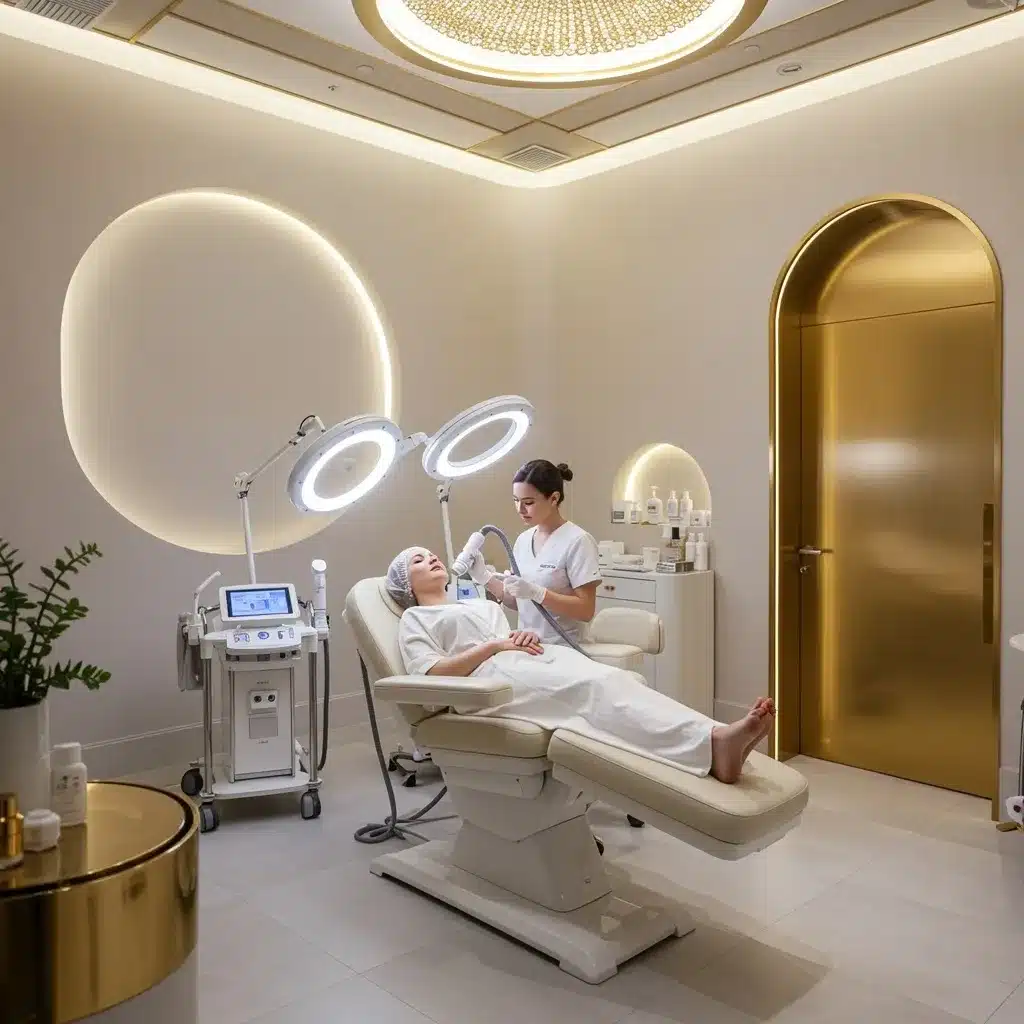
Aesthetic clinic marketing has become increasingly complex as competition intensifies and patient expectations continue to rise. Clinics are no longer assessed solely on treatment results. Brand credibility, educational content, technology leadership and the overall patient experience now play a critical role in influencing decision making.
Sustainable growth requires a strategic marketing approach that balances innovation, trust and long-term brand value. This article explores how aesthetic clinics can strengthen their marketing, avoid common mistakes, and build genuine connections with patients while aligning their messaging with modern treatments and technology.
Understanding the Modern Aesthetic Patient Journey
The modern aesthetic patient journey is multi-layered and rarely linear. Before booking a consultation, patients interact with a clinic in several ways, and each interaction influences their decision.
Research as the Starting Point
Most aesthetic journeys begin with online research. Search engines, clinic websites, social media channels and review platforms all contribute to early impressions. Patients often spend weeks or even months researching before making contact, comparing clinics based on credibility rather than convenience alone.
For example, a patient considering laser hair removal may search for information about treatment safety, comfort and long-term results. Clinics that clearly explain their use of advanced systems such as Alma’s Soprano platform, including how its cooling technology improves comfort and suitability for different skin types, are more likely to capture interest at this early stage.
The Role of Education in Decision Making
Education plays a critical role in aesthetic decision making. Patients want to understand how treatments work, what outcomes are realistic and whether a treatment is suitable for their concerns. Marketing campaigns that focus only on visual results without context often fail to address these questions.
Clinics that prioritise educational content across their marketing channel mix position themselves as trusted sources of information. This approach not only improves enquiry quality but also reduces consultation time spent correcting misconceptions.
Emotional Reassurance and Trust
Beyond information, patients seek reassurance. Aesthetic treatments involve personal concerns, and patients want to feel confident in the clinic they choose. Tone of voice, clarity of messaging and professional presentation all contribute to emotional comfort.
When marketing content feels rushed, exaggerated or inconsistent, patients may disengage, regardless of clinical expertise.
Areas Where Clinics Typically Struggle
Many clinics lose potential patients due to fragmented communication. For example, a clinic website may present a premium, educational tone, while social media posts focus heavily on discounts. This disconnect weakens trust and undermines brand positioning.
Aligning every marketing channel with the same message and values is essential for a seamless patient journey.
Aesthetic Clinic Marketing: Innovation vs Tradition
Innovation is essential in modern aesthetics, but it must be communicated with clarity and restraint.
The Limitations of Traditional Marketing
Traditional marketing methods, such as static brochures or minimal online presence, may still support awareness locally, but they rarely drive growth on their own. Clinics relying solely on traditional channels often struggle to reach new audiences or communicate their value effectively.
In a digital-first environment, patients expect clinics to demonstrate ongoing investment in both technology and education. When innovation is absent from marketing messages, clinics may appear outdated, even if clinical outcomes are strong.
Over-Innovation and Patient Confusion
Some clinics focus heavily on promoting every new device or treatment. While innovation is appealing, excessive technical detail without context can create confusion and reduce confidence.
For instance, promoting multiple skin rejuvenation technologies without explaining their differences may overwhelm patients. A more effective approach is to frame technology in terms of patient benefits like how it addresses different skin concerns, supports personalised results, or enhances comfort and safety. This way, patients understand the value without needing to absorb every technical specification.
Framing Innovation Around Outcomes
Successful marketing strategies focus on outcomes rather than features. Clinics can explain how technology improves comfort, consistency or recovery. This approach helps patients understand value without feeling pressured or misled.
Clinics that strike this balance often achieve a competitive advantage by appearing both progressive and trustworthy.
Building a Strong Brand Foundation
A strong brand foundation underpins all successful marketing strategies.
Clarifying Brand Positioning
Brand positioning defines how a clinic is perceived in the market. It influences tone, messaging and visual identity. Clinics with clear positioning can communicate their value more effectively and attract patients who align with their approach.
For example, clinics focused on medically led treatments may highlight practitioner qualifications, licensing requirements and evidence-based protocols. Resources such as beauty salon licence requirements in Australia help reinforce professionalism and compliance.
Brand Awareness Through Consistency
Brand awareness develops gradually through repeated, consistent exposure. Every interaction, from website content to email marketing, reinforces recognition.
A clinic that consistently educates patients about its treatments, technology and philosophy builds familiarity over the long term. This familiarity supports trust and increases the likelihood of repeat visits and referrals.
Technology as Part of Brand Storytelling

Technology plays an important role in brand perception. Alma Lasers technologies are globally recognised for clinical validation. When clinics explain why these systems are chosen and how they enhance patient experience, technology becomes part of the brand story rather than a promotional tool.
Marketing Mistakes That Cost Patient Trust
Trust is essential in aesthetic clinic marketing, and small missteps can have lasting consequences.
Over-Promising Results
Exaggerated claims may attract attention but they often lead to dissatisfaction. Patients who feel misled are less likely to return or recommend a clinic. Ethical marketing focuses on realistic outcomes and individual suitability.
Inconsistent Messaging Across Channels
When marketing messages differ across platforms, patients may question credibility. For instance, promoting premium treatments on a website while running frequent discount-driven marketing campaigns on social media creates confusion.
Consistency across the marketing mix is essential for effective marketing strategies.
Price-Driven Marketing Without Context
Discount-led marketing may be cost effective in the short term, but it can undermine perceived value. Clinics that explain pricing in relation to expertise, technology and care standards often attract patients seeking quality rather than bargains.
Neglecting Post-Treatment Communication
Marketing objectives should extend beyond acquisition. Follow-up communication, aftercare guidance and educational email marketing support retention and long-term loyalty.
Marketing Myths That Harm Aesthetic Clinics
Misconceptions about marketing often limit clinic growth and lead to inefficient marketing efforts.
Myth One: Good Treatments Sell Themselves
Clinical excellence alone does not guarantee visibility. Without clear communication, even the best product or service remains unnoticed. Marketing ensures that expertise is recognised and understood.
Myth Two: More Channels Mean Better Results
Being present on every marketing channel often leads to diluted messaging.
Myth Three: Discounts Drive Sustainable Growth
Discounts may attract attention but rarely build loyalty. Patients seeking aesthetic treatments value trust, outcomes and professionalism over price alone.
Myth Four: Marketing Ends After Booking
Retention and referrals are central to long-term success. Ongoing communication and education often deliver better returns than constant acquisition-focused marketing campaigns.
Digital Marketing Channels That Matter Most
Choosing the right marketing channel mix is critical for efficiency and impact.
The Website as the Central Hub
A clinic’s website serves as the primary source of information and credibility. It should clearly explain services, treatments and technology.
Detailed service pages describing treatments such as body contouring or hair removal help patients make informed decisions. Educational blogs also support search visibility and long-term traffic. For example, educational resources such as guidance on becoming a dermal therapist does help establish authority.
Social Media as a Support Channel

Social media strategies work best when they support broader marketing objectives. Educational posts, treatment explanations and clinic updates reinforce expertise and brand values.
Social media channels should drive users back to more detailed website content rather than replace it.
Email Marketing for Long-Term Engagement
Email marketing remains one of the most cost effective tools for maintaining patient relationships. Regular, informative emails help clinics stay relevant and support repeat bookings over the long term.
Campaign Planning vs Ongoing Strategy
One of the most common challenges in aesthetic clinic marketing is confusing marketing campaigns with marketing strategy. While the two are closely connected, they serve different purposes and should not be treated as interchangeable.
The Role of Marketing Campaigns
Marketing campaigns are time-bound initiatives designed to support specific objectives. These may include launching a new treatment, promoting seasonal services or increasing bookings during quieter periods.
Campaigns are valuable tools, but when used in isolation they often produce short-lived results. Clinics that move from one campaign to another without a guiding strategy may experience inconsistent messaging and fluctuating performance.
For example, a campaign promoting body contouring may generate interest, but without ongoing education and follow-up communication, many enquiries fail to convert or return.
Strategy as the Foundation for Campaigns
A marketing strategy provides long-term direction. It defines brand positioning, tone of voice and core messages. When campaigns are built on this foundation, they reinforce rather than dilute brand identity.
A clinic using Alma Lasers technologies may run campaigns highlighting specific treatments, but each campaign should connect back to broader themes such as safety, clinical validation and patient experience. This ensures consistency across the marketing channel mix.
Long-Term Impact of Strategy-Led Campaigns
Strategy-led clinics use campaigns as amplifiers rather than replacements for long-term marketing. Educational blogs, email marketing and social media strategies continue to support visibility and trust even when individual campaigns end.
Over time, this approach reduces reliance on constant promotions and creates more predictable, sustainable growth.
Content Marketing as a Strategic Asset
Content marketing supports visibility, trust and education simultaneously.
Education Builds Authority
Educational content positions clinics as knowledgeable and trustworthy. Articles explaining treatment processes, recovery expectations and technology benefits help patients feel informed.
Long-Term Value of Content
Unlike short-term marketing campaigns, content continues to deliver value over time. Well-structured content supports search visibility, patient education and brand awareness long after publication.
Social Proof and Reputation Management
Reputation plays a decisive role in patient choice.
Reviews and Testimonials
Patient reviews influence perceptions more than many traditional marketing campaigns. Clinics that encourage honest feedback and present testimonials ethically build stronger trust.
Measuring Performance and Refining Strategy
Measurement ensures that marketing efforts remain aligned with business goals.
Continuous Improvement
Regular review allows clinics to refine marketing tactics, adjust the marketing mix and improve results over time.
Conclusion: Turning Strategy Into Sustainable Growth
Aesthetic clinic marketing is no longer about quick campaigns or short-term attention. Clinics that grow over time focus on a clear plan, consistent messaging, and educating patients so trust can build naturally.
When clinics understand how patients research and make decisions, marketing becomes more effective. Avoiding common mistakes and clearly explaining treatments helps build credibility. With the right mix of marketing channels, clinics can attract the right patients, encourage repeat visits, and grow awareness without relying on constant discounts.
Strengthen your marketing strategy with clarity, consistency and clinical credibility. Contact Alma Lasers to explore technologies and partnerships that support long-term clinic growth. Start building a more resilient marketing approach today.