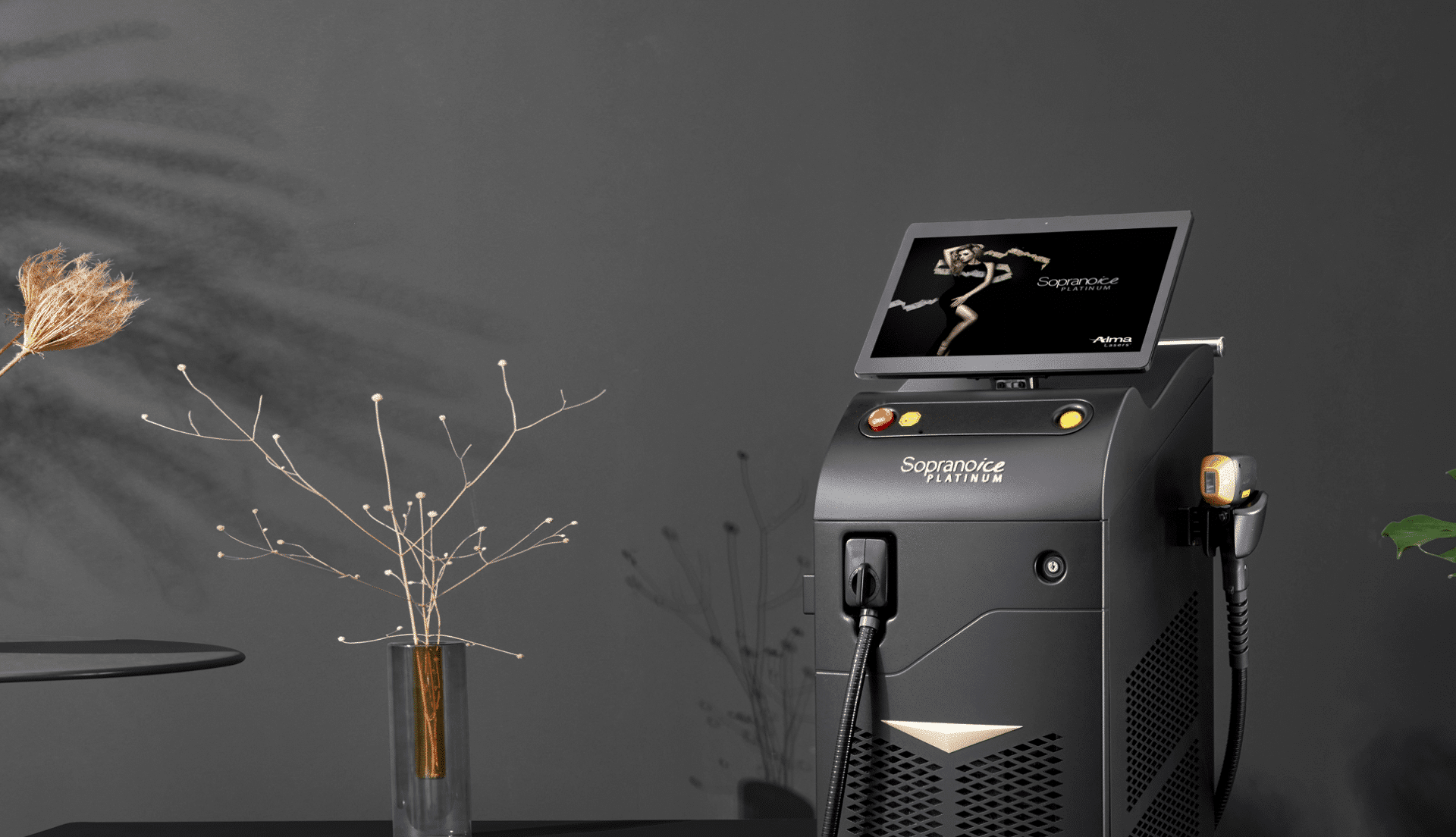
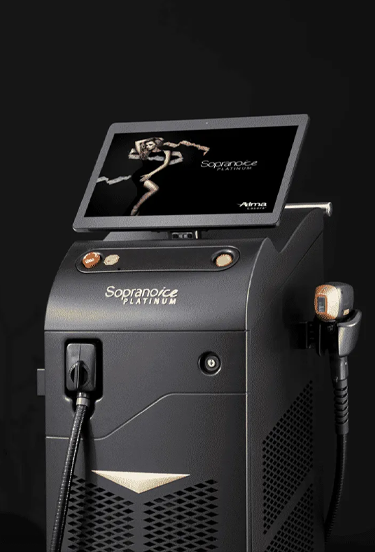
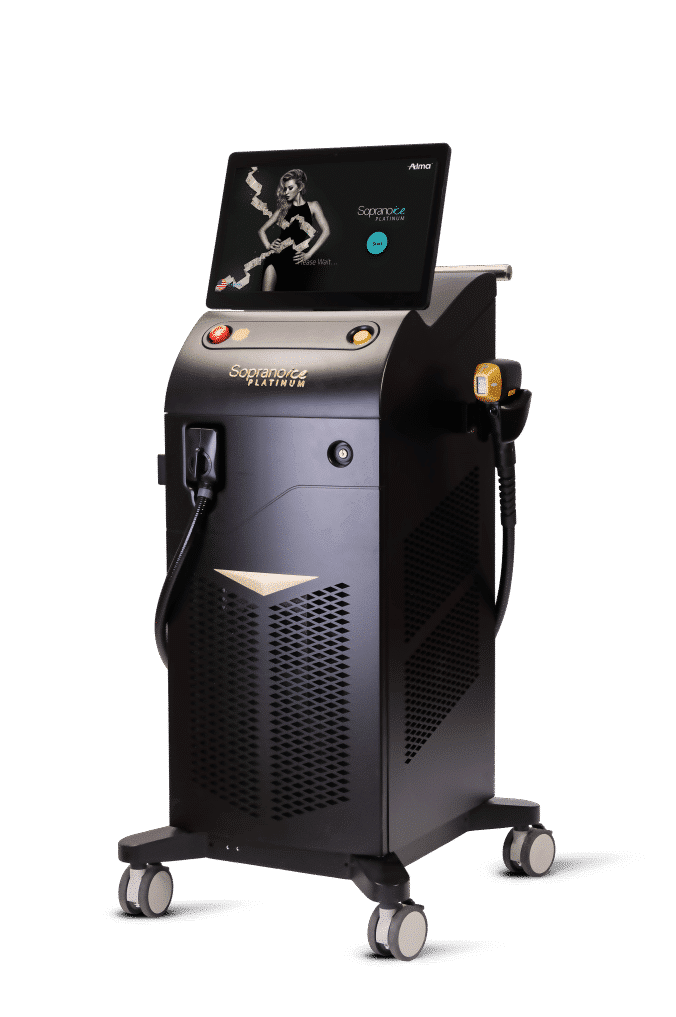
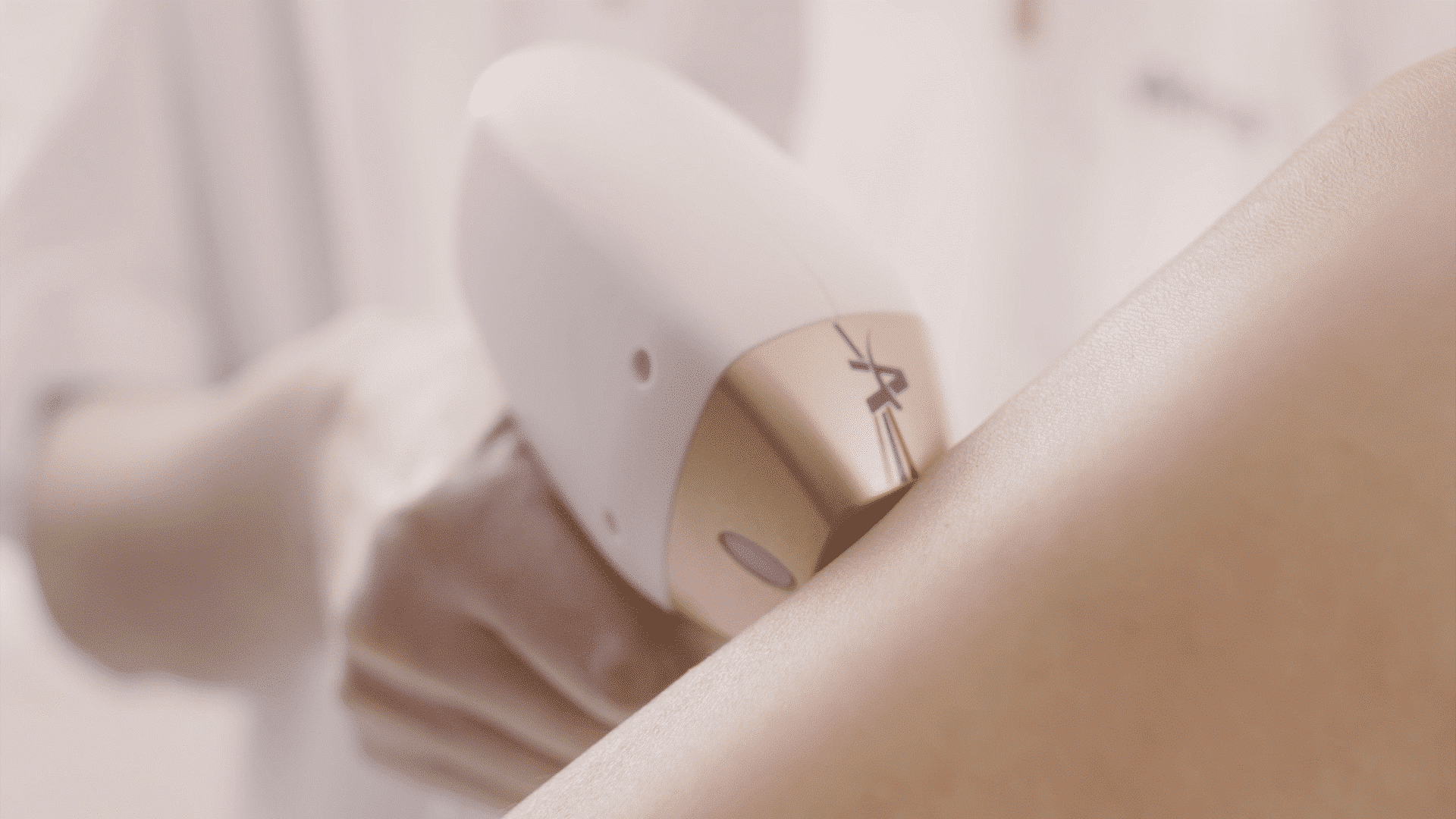
Choose a diode system designed for all skin types and used with a gradual-heating technique. Soprano ICE Platinum and Soprano Titanium Special Edition are designed for skin types I to VI. Soprano in-motion technology delivers repeated lower-fluence pulses while the handpiece moves, raising the follicle temperature gradually while contact cooling protects the skin surface. Compared with single high-fluence pulses, this reduces the heat load on pigmented skin, which is why the approach suits darker and tanned skin. Both systems are included in the ARTG (321320). Safety still depends on correct settings, a test patch and the practitioner’s assessment, and results vary between patients. See laser hair removal machines for clinics and the clinical evidence page for the published studies.
No. Soprano systems supplied by Alma Lasers Australia have no pulse counter and no pulse cards, so pulses are unlimited during the warranty period. There are no per-treatment consumables, tips or proprietary gels to buy. The ongoing costs are applicator life, scheduled servicing and ordinary clinic supplies such as ultrasound gel and razors. Platforms that charge per pulse or per consumable add a cost to every treatment, which matters most in a high-volume hair removal clinic; Soprano does not. The same applies to Harmony XL Pro, Alma Hybrid, Accent Prime and PrimeX. Alma Opus uses treatment tips and DermaClear uses solutions, which are stated on their pages. Full breakdown: what an aesthetic laser really costs to run.
In the published comparisons, yes on comfort and burns, with equal hair reduction against high-fluence diode treatment. Soprano heats the follicle gradually with repeated low-fluence passes instead of one high-energy pulse, so less energy reaches the epidermis at any moment. A randomised split-leg trial found the same 86 to 91% reduction as a high-fluence single-pass diode with significantly less pain, and the only superficial burn in that study was on the high-fluence side (Braun, Journal of Drugs in Dermatology, 2009). A second randomised comparison found equal results at 6 and 12 months with pain scores of 2.7 versus 3.6 out of 10 (Koo and colleagues, Lasers in Surgery and Medicine, 2014). In 71 patients with skin types IV to VI, treatments were complication-free (Agarwal and colleagues, 2016). One axilla study found a high-fluence Nd:YAG removed more hair, at higher pain; we list it too. All papers are linked on the clinical evidence page.
Alma platforms record treatment parameters and applicator usage on the device, and your Alma representative can help a clinic review utilisation, applicator life and service history as part of regular account reviews. Alma Lasers Australia uses this to advise on when an additional applicator or a second platform would pay for itself, and to plan preventive maintenance.
Ask your representative for a utilisation review if you want to understand how a device is performing against your booking volume.
Describe outcomes as ranges over a course, not a single-session transformation. Laser hair removal reduces hair over several sessions because hair grows in cycles; skin treatments improve tone and texture gradually; body contouring shows change over weeks as the body responds. Photographs should be the clinic’s own, with the treatment and interval stated, and patients should be told that results vary and that suitability is assessed at consultation.
This honest framing is also what Australian advertising rules for regulated health services expect. Alma Lasers Australia provides consultation guidance with its clinical training.