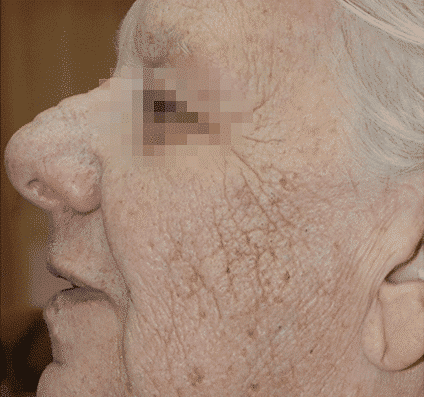
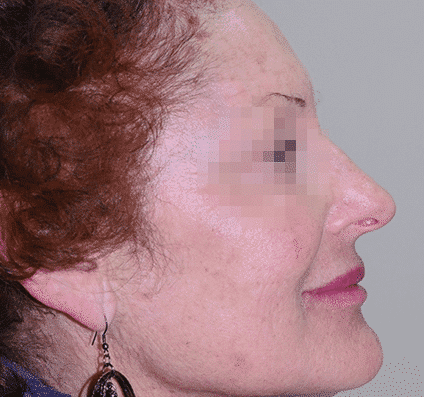
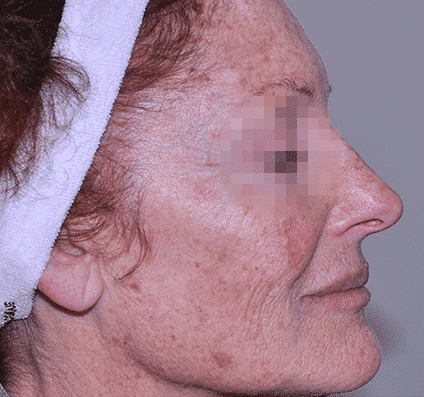
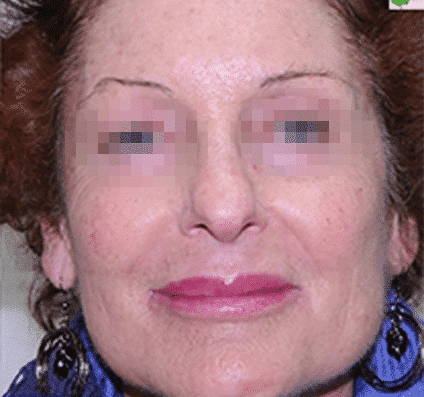
Pigmented Lesions Removal

Removing pigmented lesions caused by environmental, hormonal and genetic factors, and aging.

Top Products

The Power of Light

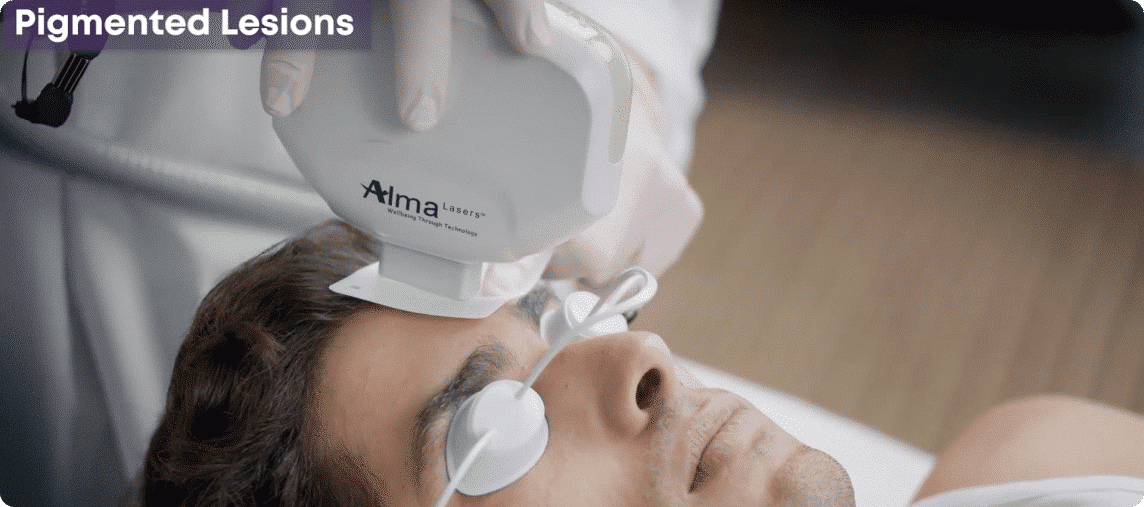
Alma’s light-based, laser and IPL treatments remove spots and hyperpigmentation caused by sun exposure, genetics, hormones or lifestyle choices, targeting and dispersing the melanin in the darkened area to reveal a clear and even skin tone.

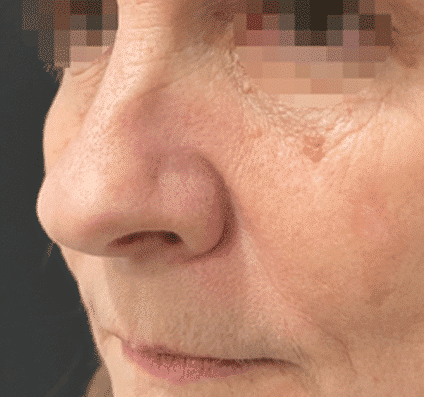
B&A

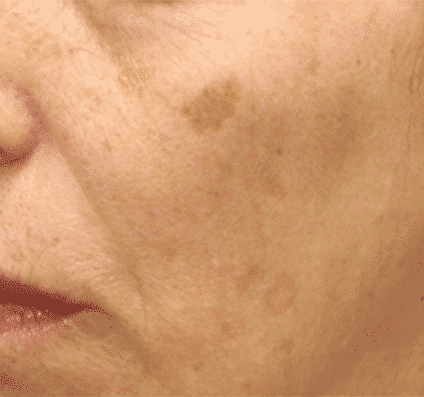
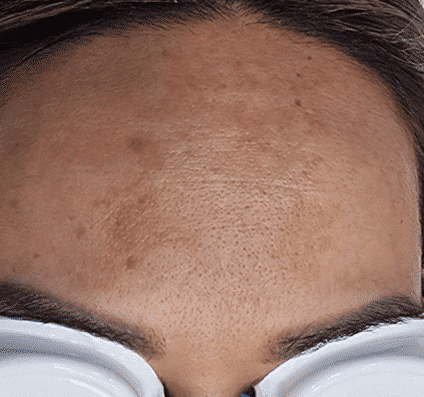
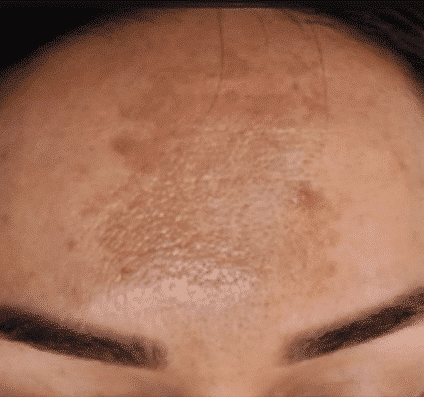
After Harmony Kimberlee Smith MSN FNP-C post 3 tx
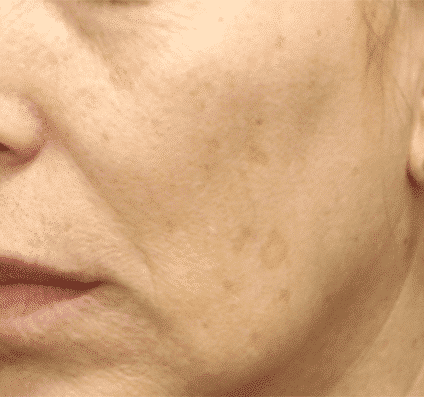
Before Harmony Kimberlee Smith MSN FNP-C post 3 tx

Pigmented Lesions

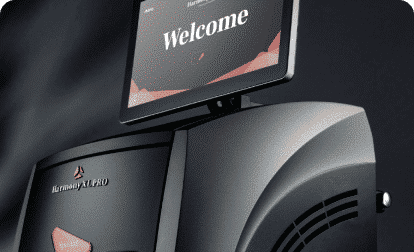
Harmony XL Pro

Courtesy of:Kimberlee Smith MSN FNP-C
post 3 tx

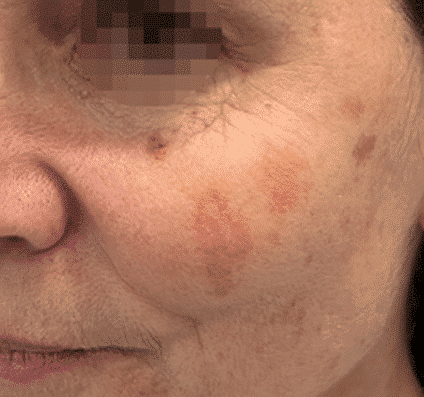
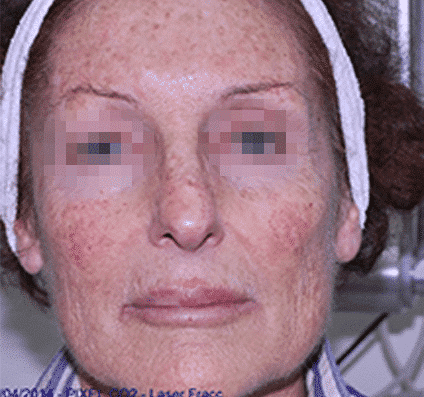
Alma Pixel CO2: Pigmented Lesions

Pigmented Lesions

Pixel CO2

Courtesy of Dr Guillermo Badaracco

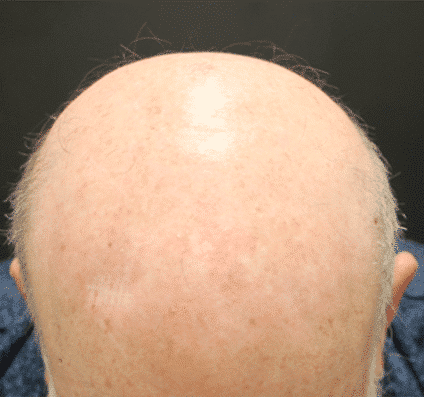
Alma Pixel CO2: Pigmented Lesions

Pigmented Lesions

Pixel CO2

Courtesy of Dr Guillermo Badaracco

Alma Pixel CO2: Pigmented Lesions

Pigmented Lesions

Pixel CO2

Courtesy of Dr Guillermo Badaracco

Before and after treatment result, Alma Harmony XL Pro multi-application laser and IPL platform; individual results vary
Pigmented Lesions

Pigmented Lesions

Harmony XL Pro

Alma Clinical Department

Pigmented Lesions
Pigmented Lesions

Pigmented Lesions

Harmony XL Pro

Alma Clinical Department

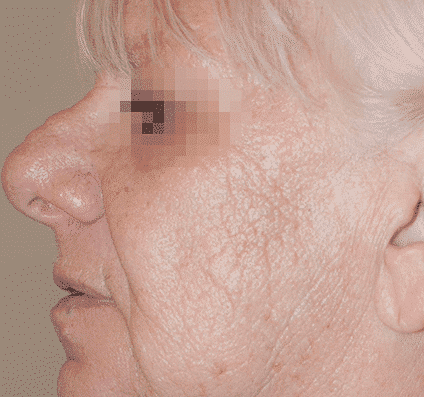
Before and after treatment result, Alma Harmony XL Pro multi-application laser and IPL platform; individual results vary
Pigmented Lesions

Pigmented Lesions

Harmony XL Pro

Alma Clinical Department

Indications

  • Superficial pigmented lesions

    Superficial pigmentation, such as freckles, age and sun spots, are caused by environmental conditions, exposure to UV light, genetics and age. Alma’s IPL technology breaks up the melanin, to remove pigmentation, leaving the skin clear.
  • Deep pigmented lesions

    Complex dermal pigmentation can lie in several depths of the skin, down to the dermis. Alma’s Q-Switch technology shatters the pigment, and the body’s immune system then clears the fragments, effectively removing the melanin.

Choosing a pigmentation laser, and why melasma is different

The first question in pigmentation is not which laser. It is how deep the pigment sits. Epidermal pigment such as sun spots, freckling and seborrhoeic keratoses responds quickly and predictably. Dermal pigment sits below the basement membrane, clears slowly, and needs a different pulse entirely. Treating one as though it were the other is the most common reason a pigmentation programme disappoints.

Matching the technology to the pigment

  • Q-switched Nd:YAG fires nanosecond pulses. The pulse is shorter than the time the pigment particle needs to shed heat, so the particle fragments rather than cooks. 1064nm reaches dermal pigment; 532nm handles superficial pigment and red-brown lesions. On Alma Harmony this is the ClearLift Pro applicator.
  • Narrow-band IPL covers area. Where a patient has diffuse sun damage across both cheeks rather than four discrete lesions, an applicator like Iris Dye-SR treats the field in minutes. Restricting the spectrum to the wavelengths melanin actually absorbs is what makes it safer than broadband IPL on darker skin.
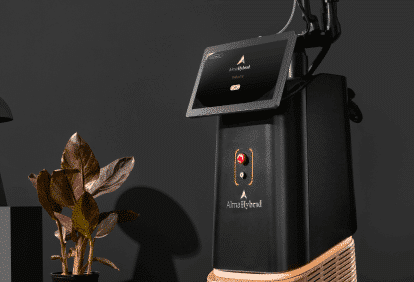
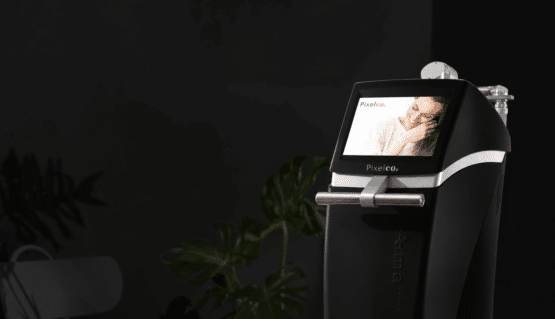
  • Ablative resurfacing removes pigment with the tissue it sits in. When pigmentation arrives alongside texture, fine lines and photodamage, a fractional CO2 pass on Alma Pixel CO2 or Alma Hybrid corrects all of it at once rather than in sequence.

Melasma is not a pigmented lesion, and treating it like one makes it worse

This is worth being blunt about, because it is where clinics get into trouble. Melasma is a chronic, relapsing condition driven by hormones, heat and ultraviolet exposure, not a discrete deposit of pigment you can remove. The melanocytes are overactive, not simply overloaded. Aggressive laser settings that would clear a sun spot in one pass will provoke melasma, and rebound hyperpigmentation weeks later is a common outcome.

What works better is restraint. Low-fluence Q-switched approaches, spaced sessions, and an honest conversation before the first treatment: melasma is managed rather than cured, maintenance is part of the plan, and daily broad-spectrum sun protection does more for the result than any device. Heat itself is a trigger, which is why IPL and aggressive resurfacing are poor first choices here. Clinics that set that expectation up front keep melasma patients for years. Clinics that promise clearance lose them after two sessions.

Skin type is the safety boundary

On Fitzpatrick IV to VI the epidermis competes for every pulse you deliver, and post-inflammatory hyperpigmentation is the failure mode rather than burns. Longer wavelengths, narrower spectra, lower fluences and longer intervals all reduce that risk. Patch test, review at 24 to 48 hours, and photograph under controlled lighting so you can tell improvement from wishful thinking. A skin analysis system such as Alma IQ makes that comparison objective rather than a matter of memory.

What to compare before you buy

Ask which wavelengths are genuinely available and at which pulse durations, whether the system can do both discrete lesions and full-field work, and what it offers for darker skin specifically rather than as an afterthought. Then ask who supports it locally. Alma Lasers Australia is Alma’s own Australian subsidiary, covering New Zealand from Sydney, so clinical training, protocol support and service come from the same team. We do not publish list prices; bring your treatment prices and weekly bookings to a demo and we will build the numbers with you. Equipment finance is available through Medfin.

Top Pigmented Lesion Removal Products

Alma has perfected the treatment of pigmentation, even on dark skin, offering depth, filters and minimal damage to the surrounding skin.
Face contouring devices for clinics, Alma Lasers Australia

The Alma Advantage

  • safe for all skin icon

    Safe for any skin type

  • no pain icon

    No pain

  • TARGETED TREATMENTS icon

    Targeted treatments

  • training support icon

    Training support

  • INNOVATIVE TECHNOLOGY icon

    Innovative technology

  • CLINICALLY PROVEN icon

    Clinically proven

  • MULTIPLE APPLICATORS icon

    Multiple applicators

Clinical Resources Relating to Pigmented Lesion Removal

  • Lian-Zhao Wang

    Lasers in Medical Science, 2014

    Read More
  • Irene Gaile C. Robredo

    Journal of Drugs in Dermatology, 2020

    Read More

FAQs

  • Soprano combines wavelengths including 1064 nm, which is the wavelength used for hair removal on darker skin, and its in-motion delivery heats the follicle gradually with contact cooling, which lowers the risk of surface heating. For skin rejuvenation on darker skin, Harmony XL Pro’s ClearLift works below the surface without ablating it. Alma Lasers Australia trains practitioners on protocols for Fitzpatrick IV to VI, including test patches, fluence selection and sun-exposure history, which matters in Australia’s high-UV environment.

    Suitability is always assessed by the treating practitioner.

  • Harmony XL Pro is a single platform that runs many applicators, so a clinic can start with the applications it books most, for example ClearLift for skin rejuvenation and Dye-VL for pigmentation and vascular lesions, and add applicators later as the treatment menu grows. One chassis, one training pathway and one service relationship cover a wide range of skin indications, which keeps capital spread across more billable treatments.

    Alma Lasers Australia installs and trains on every applicator and can advise which combination suits your patient mix.

  • For most Australian clinics a Q-switched nanosecond laser does the job, and the honest answer depends on what you will actually treat. Picosecond lasers deliver pulses roughly a hundred times shorter, which fragments ink and pigment more finely with less heat in the surrounding tissue. That is a genuine advantage on stubborn residual tattoos, some green and blue inks, and on patients where thermal side effects are the main worry. It also comes at a materially higher purchase price and, on most platforms, as a single-purpose device.

    Q-switched Nd:YAG at 1064nm and 532nm remains the workhorse for black and dark inks, red and orange inks, sun spots, freckling and dermal pigment, which between them are the large majority of cases that walk into a clinic. On Alma Harmony that is the ClearLift Pro applicator, one module on a platform that also runs vascular, acne, IPL, non-ablative and ablative treatments. The practical decision is volume: a clinic doing a few tattoos a week alongside skin work is better served by a platform with a Q-switched applicator than by a dedicated pico machine that sits idle between tattoo appointments.

  • Yes, but melasma should not be treated like an ordinary pigmented lesion, and clinics that do make it worse. Melasma is a chronic, relapsing condition driven by hormones, heat and ultraviolet exposure. The melanocytes are overactive rather than simply overloaded, so the aggressive settings that clear a sun spot in one pass tend to provoke it, and rebound hyperpigmentation weeks later is a common outcome. Heat alone is a trigger, which makes IPL and aggressive ablative resurfacing poor first choices.

    What works better is restraint: low-fluence Q-switched approaches, sessions spaced generously, strict daily broad-spectrum sun protection, and an honest conversation before the first treatment that melasma is managed rather than cured. Clinics that set that expectation keep melasma patients for years. Clinics that promise clearance lose them after two sessions.

  • Yes. Q-switched Nd:YAG lasers and intense pulsed light are among the most studied technologies in aesthetic medicine for pigmentation, with decades of published evidence, and Alma’s implementations on Harmony carry their own clinical studies, including work on melasma with ClearLift. The platforms are included in the ARTG. Alma Lasers Australia’s training covers the part the studies stress most: correct assessment of skin type and lesion type before treatment, because outcomes and safety on pigmentation depend on the diagnosis as much as the device.

More Questions
Loading...