There is no single figure, because a clinic IPL is configured rather than bought off a shelf. What moves the number is the platform itself, how many applicators you take, whether you also want laser applicators on the same system, and the training and service package. We do not publish list prices, partly because the right configuration depends on which treatments you intend to sell. What we can do is build the numbers with you: bring your treatment prices and expected weekly bookings to a demo and an Alma representative will model payback on your own figures. Equipment finance is available through Medfin. Beware of grey-market and counterfeit IPL systems sold cheaply online, which carry no local service and no parts.
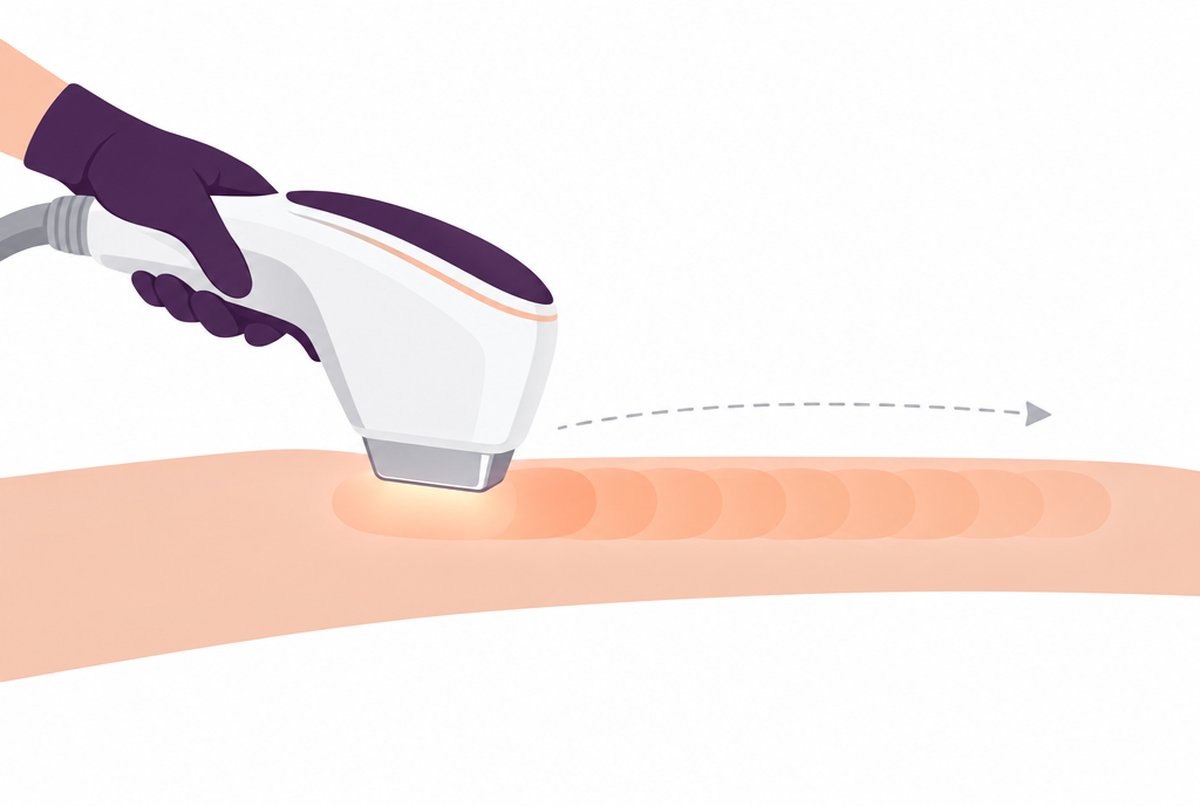
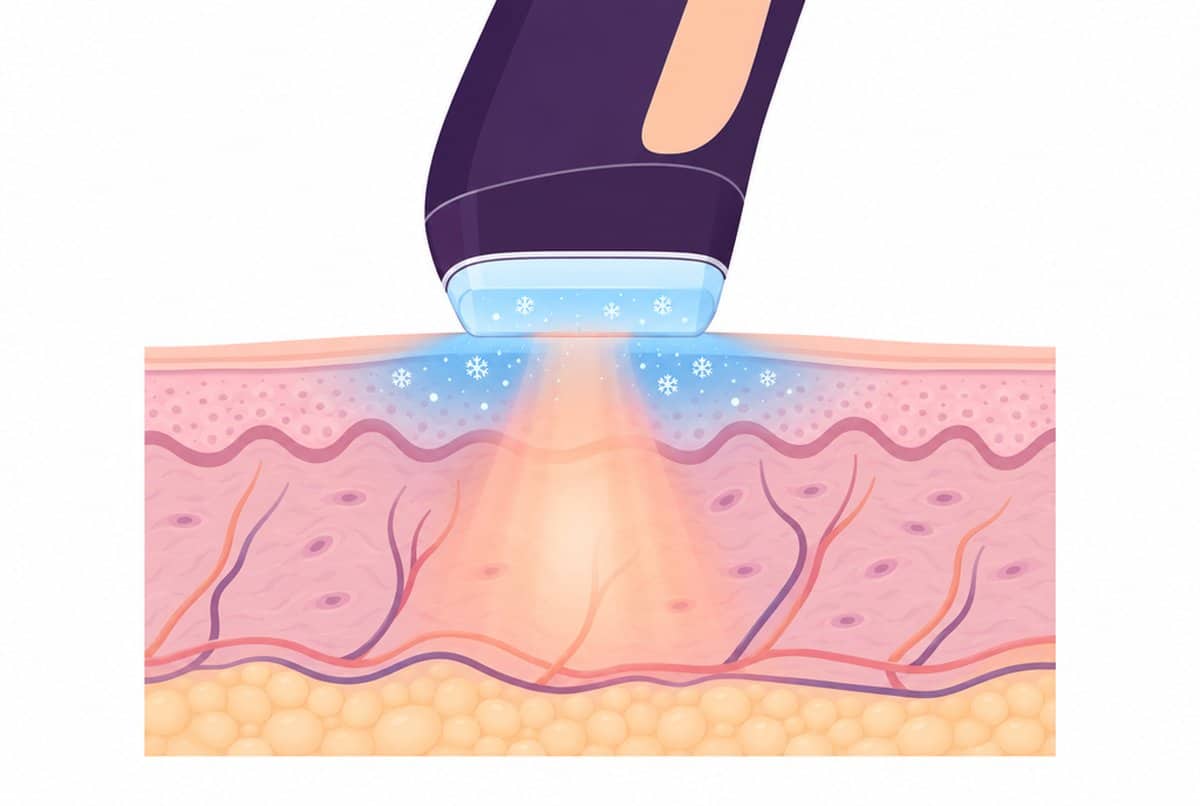
A laser emits one wavelength; an IPL emits a band of many wavelengths from a flashlamp and shapes it with filters. That difference drives everything else. A diode laser such as Soprano puts all its energy at wavelengths melanin absorbs well, so it is the more efficient choice for hair, particularly on darker or tanned skin, and it treats in motion with contact cooling. An IPL spreads energy across a spectrum, which makes it less selective for hair but far more versatile: swap the applicator and the same machine treats pigment, vascular lesions, acne and photorejuvenation. Most clinics that can only buy one device start with IPL for breadth, then add a diode laser once hair removal volume justifies a dedicated machine.
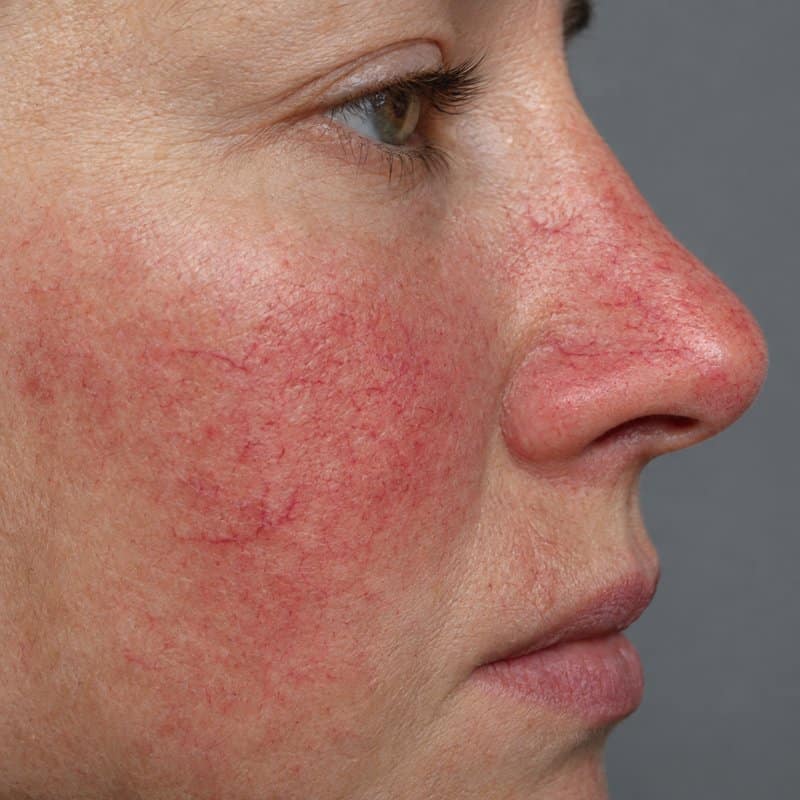
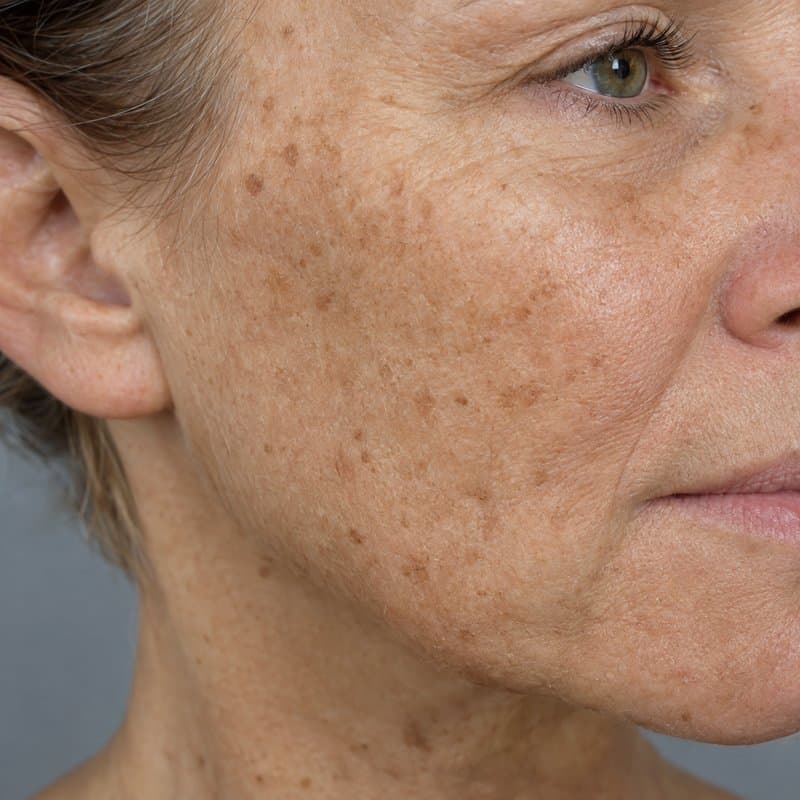
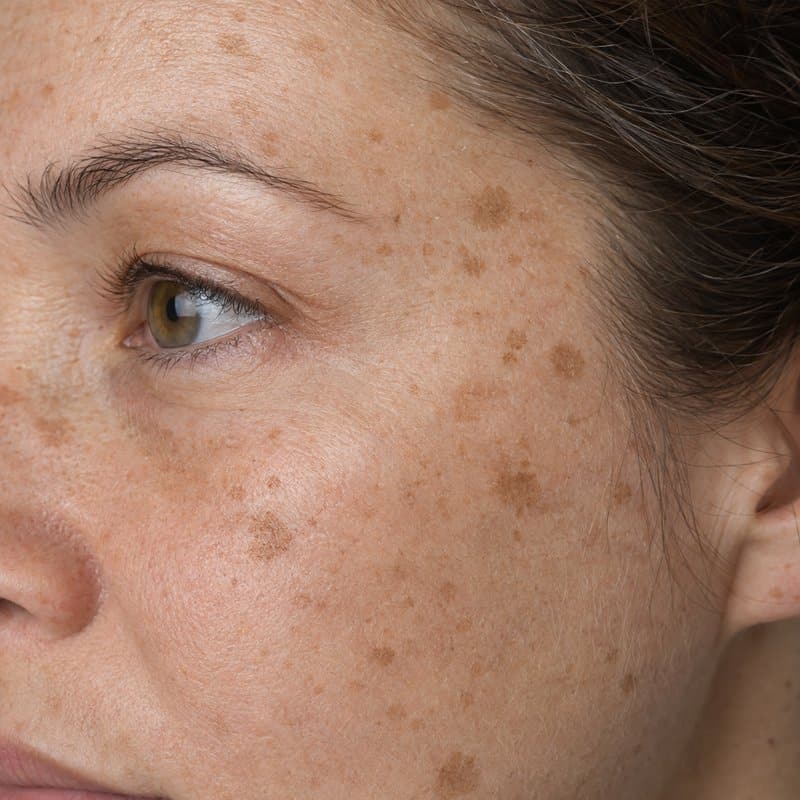
Hair removal is only one use of a clinic IPL. With the right applicator the same platform treats superficial pigmented lesions such as sun spots and freckling, superficial vascular lesions including facial telangiectasia and diffuse redness, inflammatory acne using the blue end of the spectrum against P. acnes bacteria, photorejuvenation for overall tone and texture, and near-infrared dermal heating for collagen stimulation. On the Alma Harmony platform each of those is a separate Iris applicator on one system, which is why an IPL is usually the highest-utilisation device in a clinic rather than a single-indication machine.
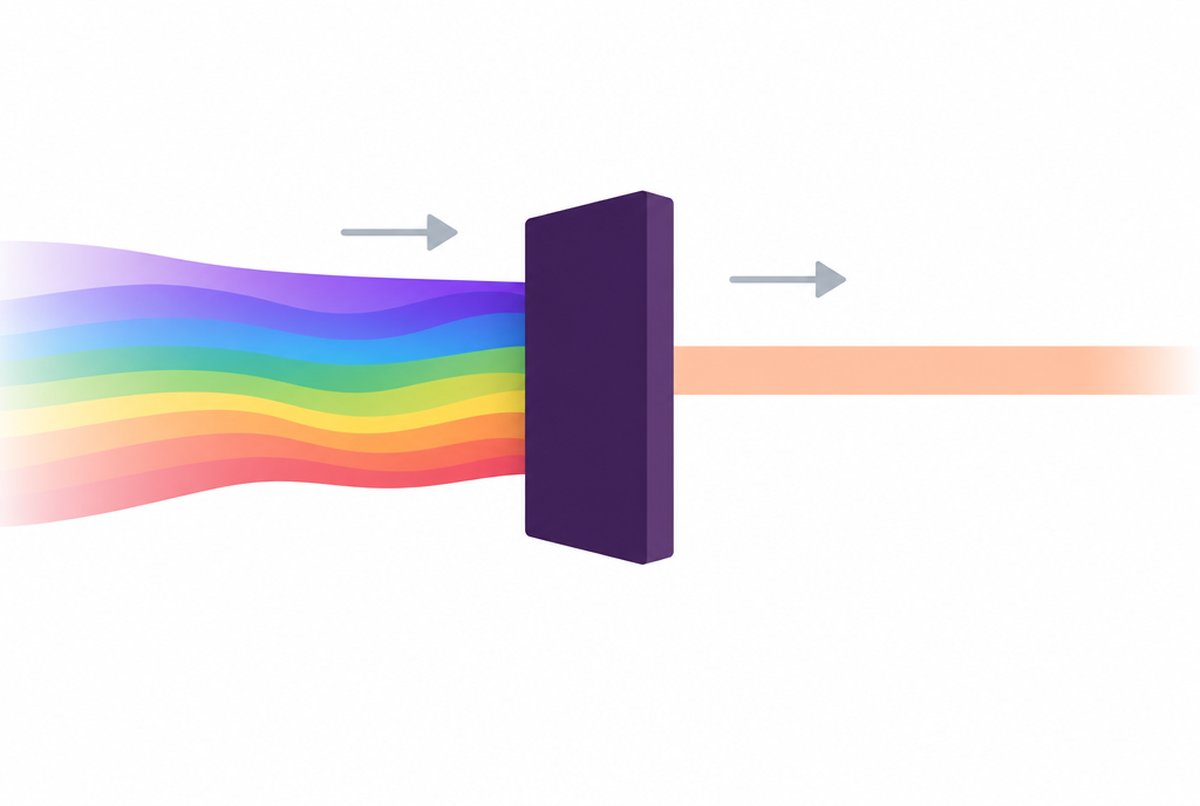
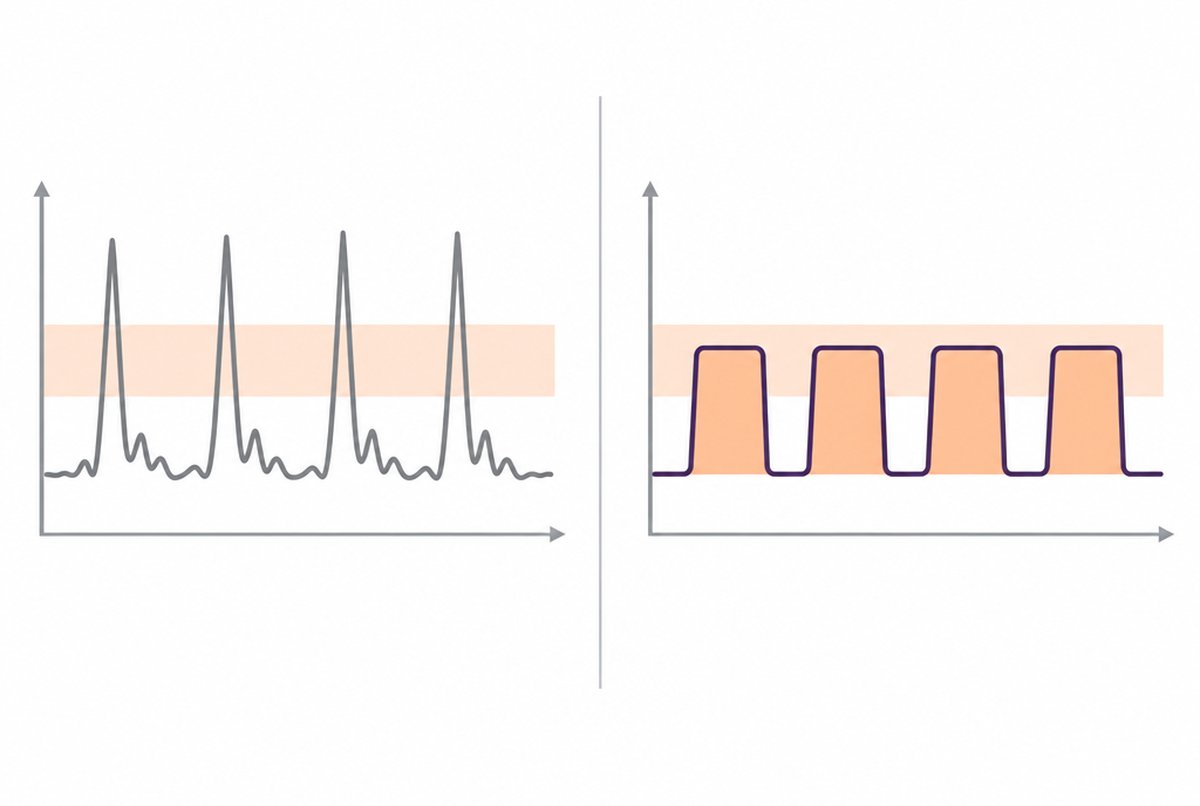
AFT (Advanced Fluorescence Technology) is Alma’s form of IPL, delivered on Alma Harmony through the Iris Dye-VL applicator for pigmentation and vascular lesions (Dye-VL on Harmony XL Pro). A standard IPL flashlamp emits a broad spectrum and then discards the short wavelengths with a cut-off filter, which wastes energy and forces higher peak power to reach the target. AFT adds a fluorescent conversion layer that recycles those short wavelengths into the therapeutic band instead of discarding them, so more usable light reaches the target at lower peak power, with a flatter spectrum and consistent output pulse to pulse. Equal Distribution of Fluence holds the energy steady across the pulse rather than spiking at the start. Together these support consistent output from pulse to pulse, and suitability for each patient is assessed by the treating practitioner. Systems supplied by Alma Lasers Australia come with training and service from Alma Lasers Australia.
Standard broadband IPL is limited on darker skin because melanin in the epidermis competes with the target for the same light. Alma addresses this two ways. AFT, Advanced Fluorescence Technology, converts the wasted short-wavelength part of the spectrum into useful longer wavelengths instead of filtering it out, which gives a flatter, more predictable output at lower peak power. Equal Distribution of Fluence then keeps energy even across the whole pulse rather than spiking at the start. For pigmented and vascular work on darker skin, Alma also supplies narrow-band applicators, Iris Dye-SR and Dye-VL, that restrict the spectrum to the wavelengths you actually want. Patch testing and conservative parameters remain essential on Fitzpatrick IV to VI.