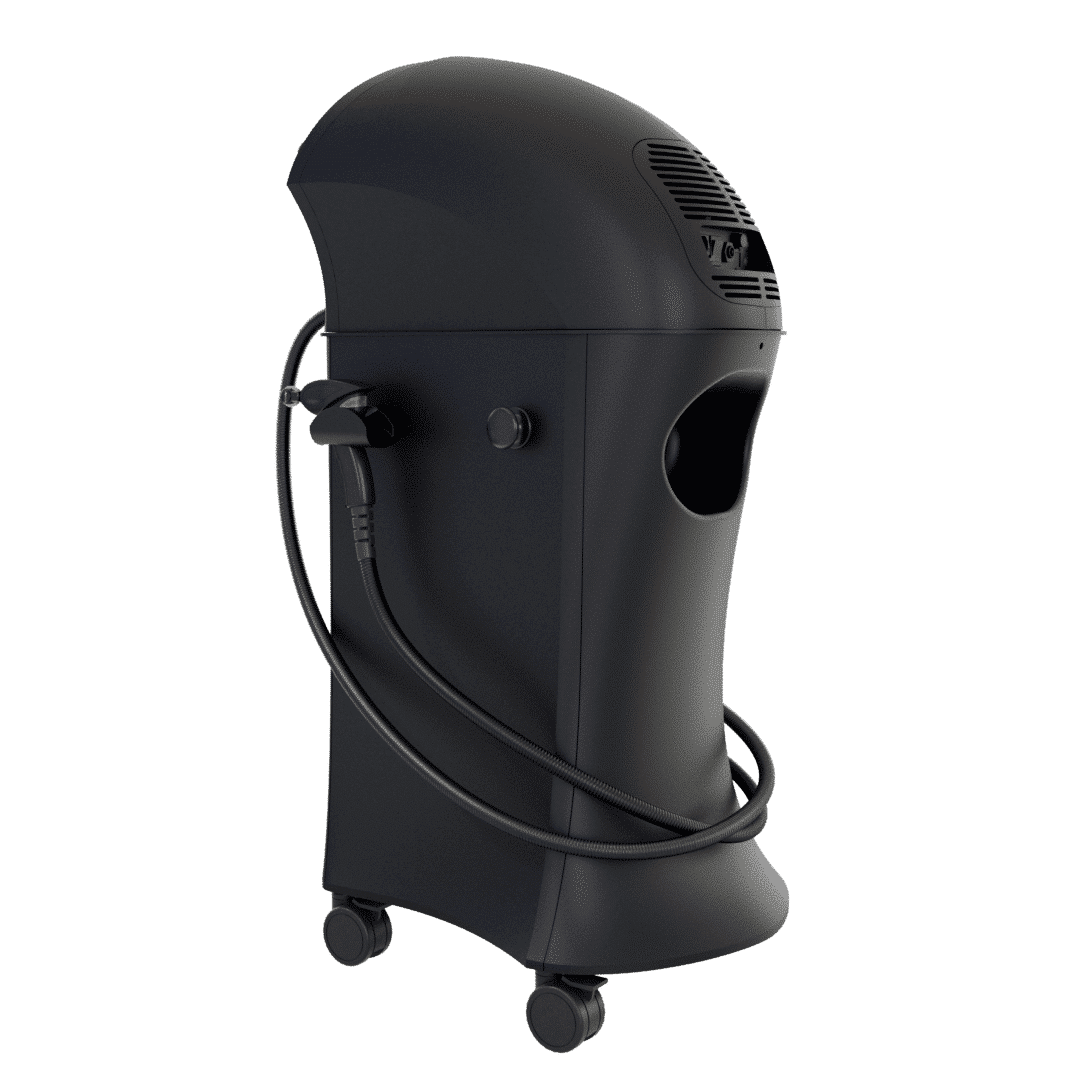
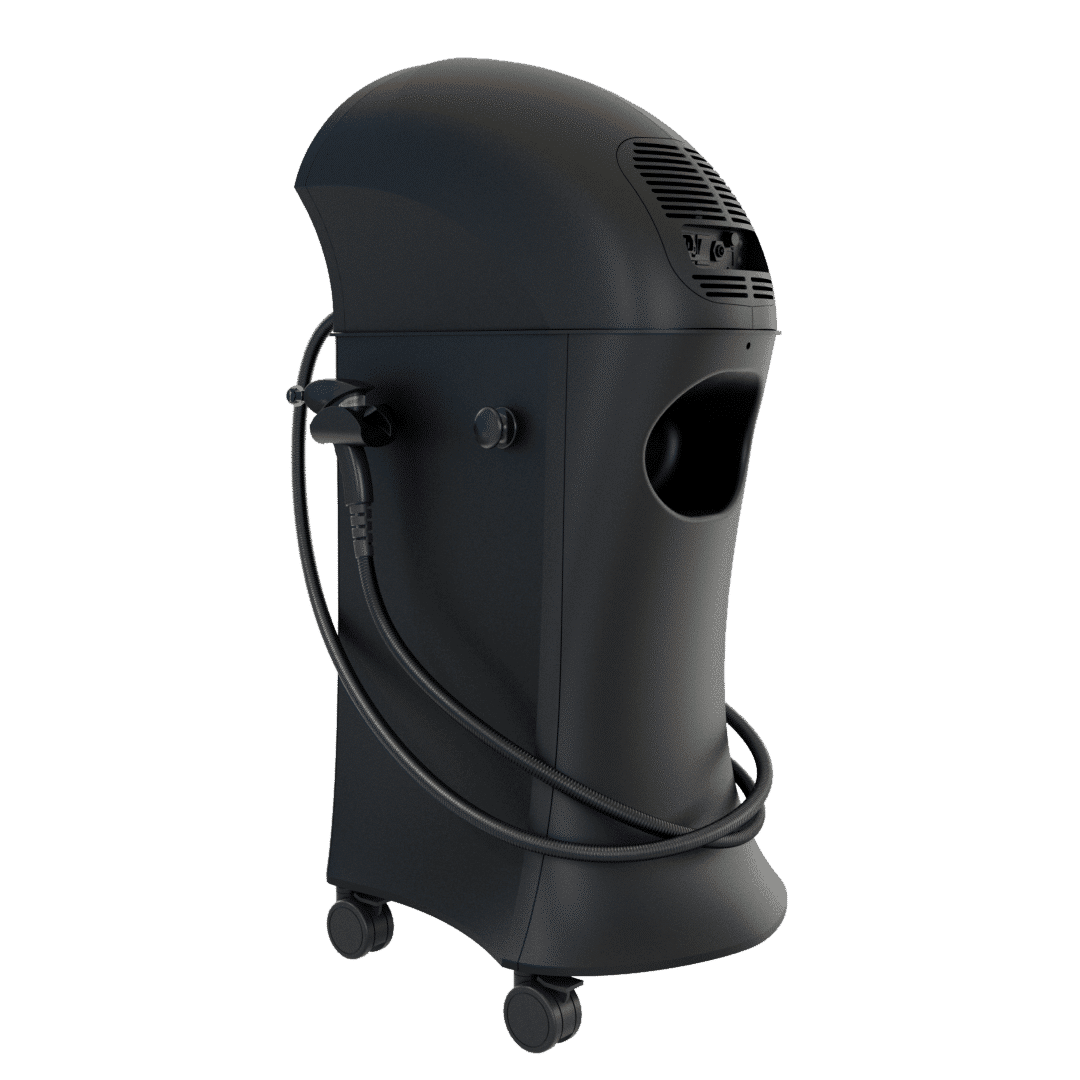
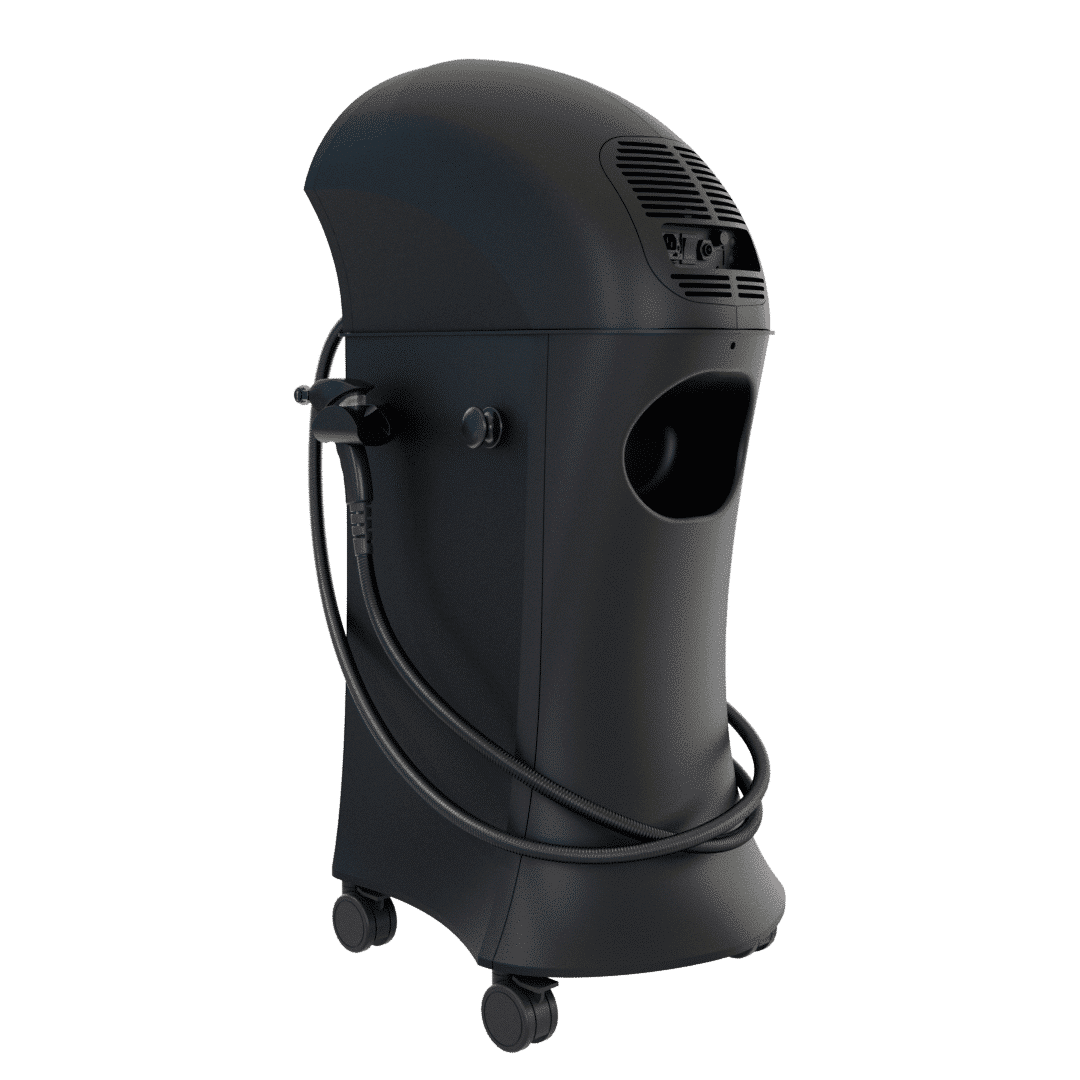
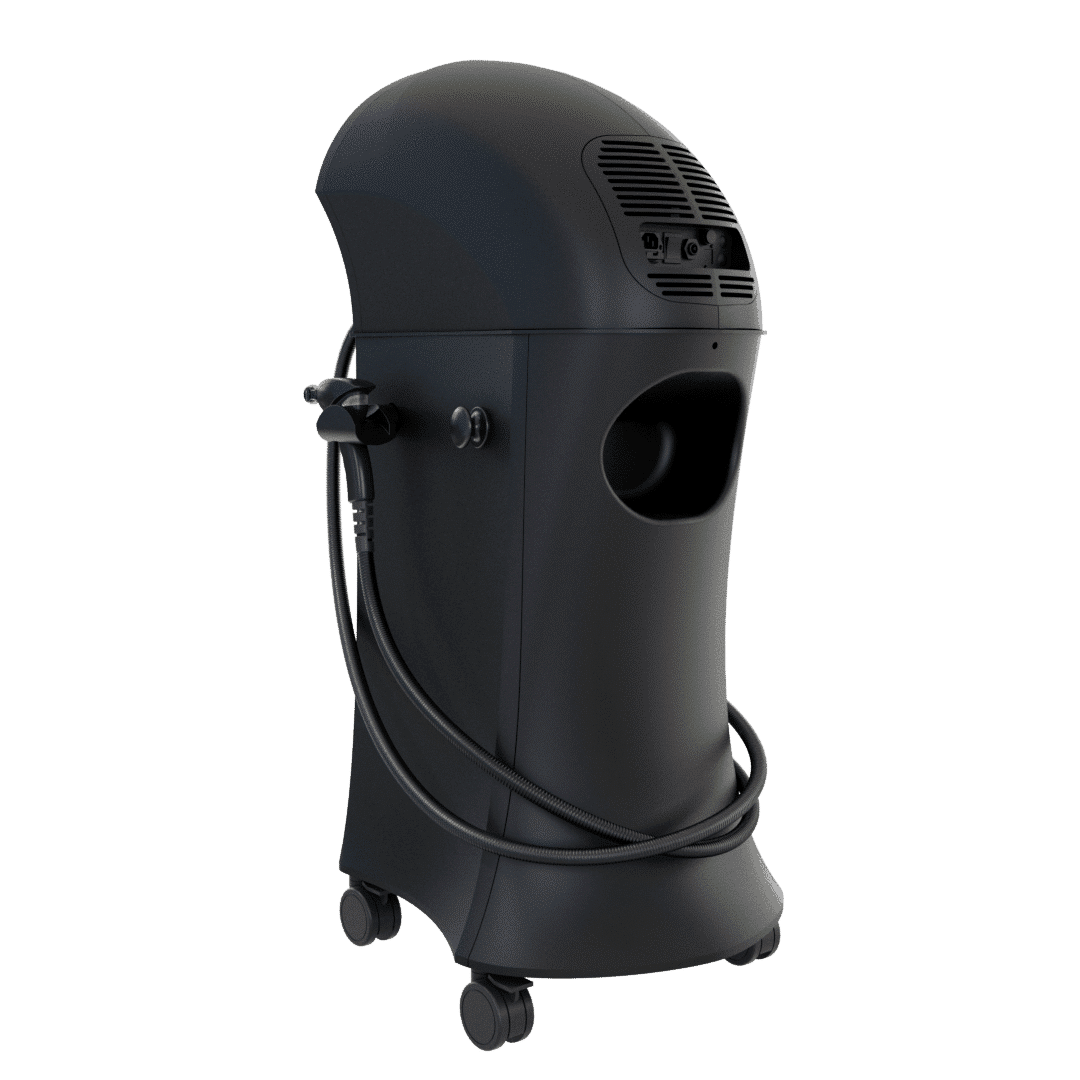
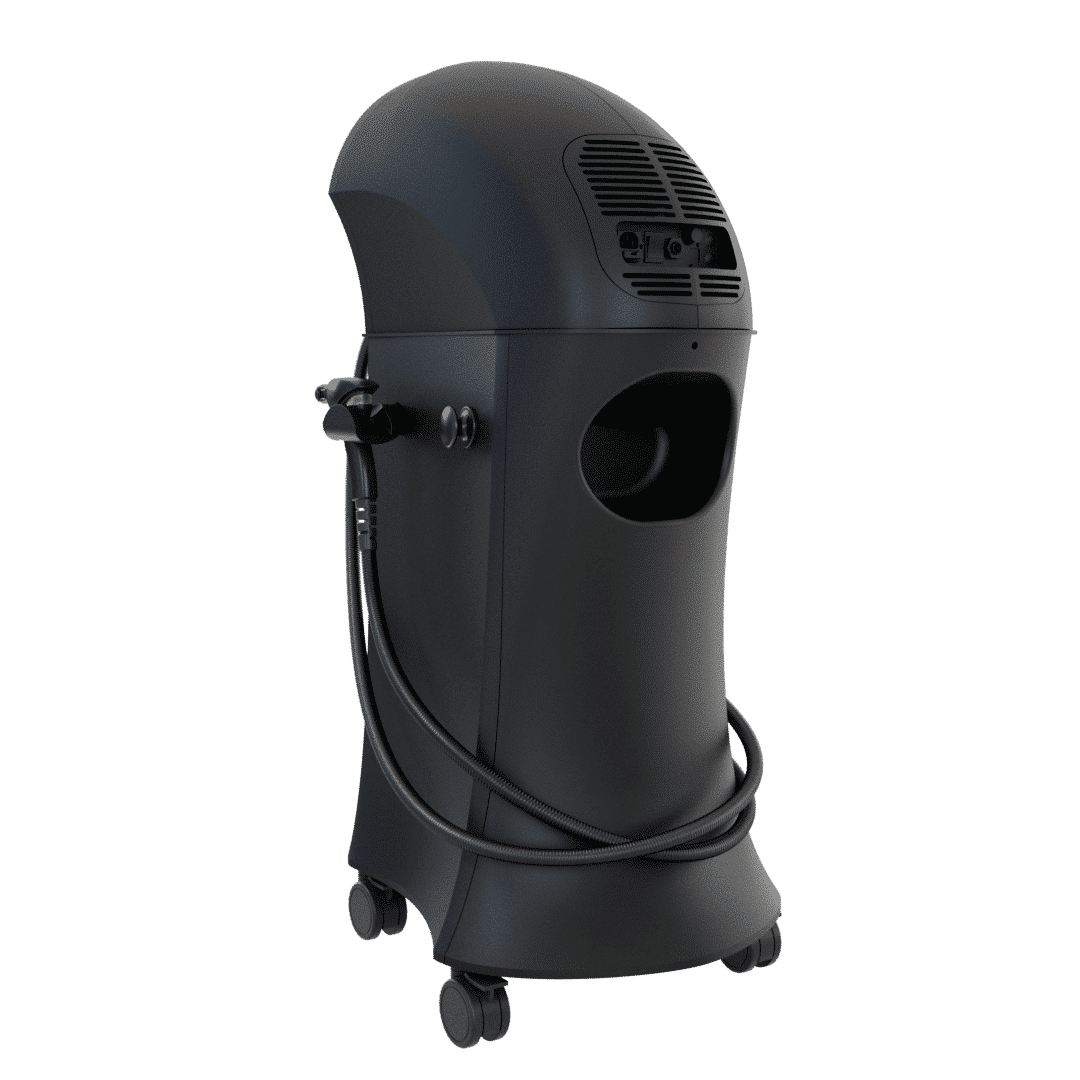
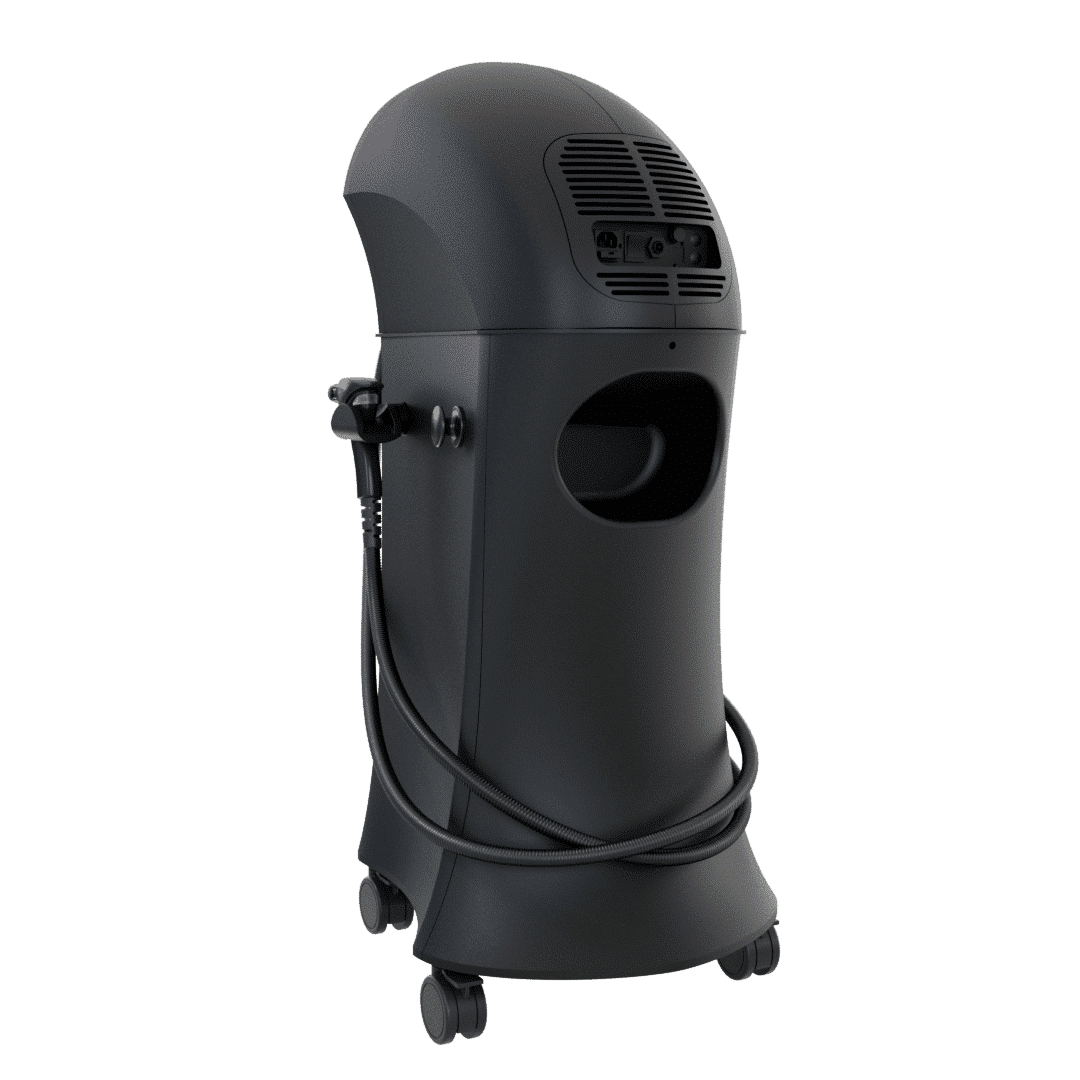
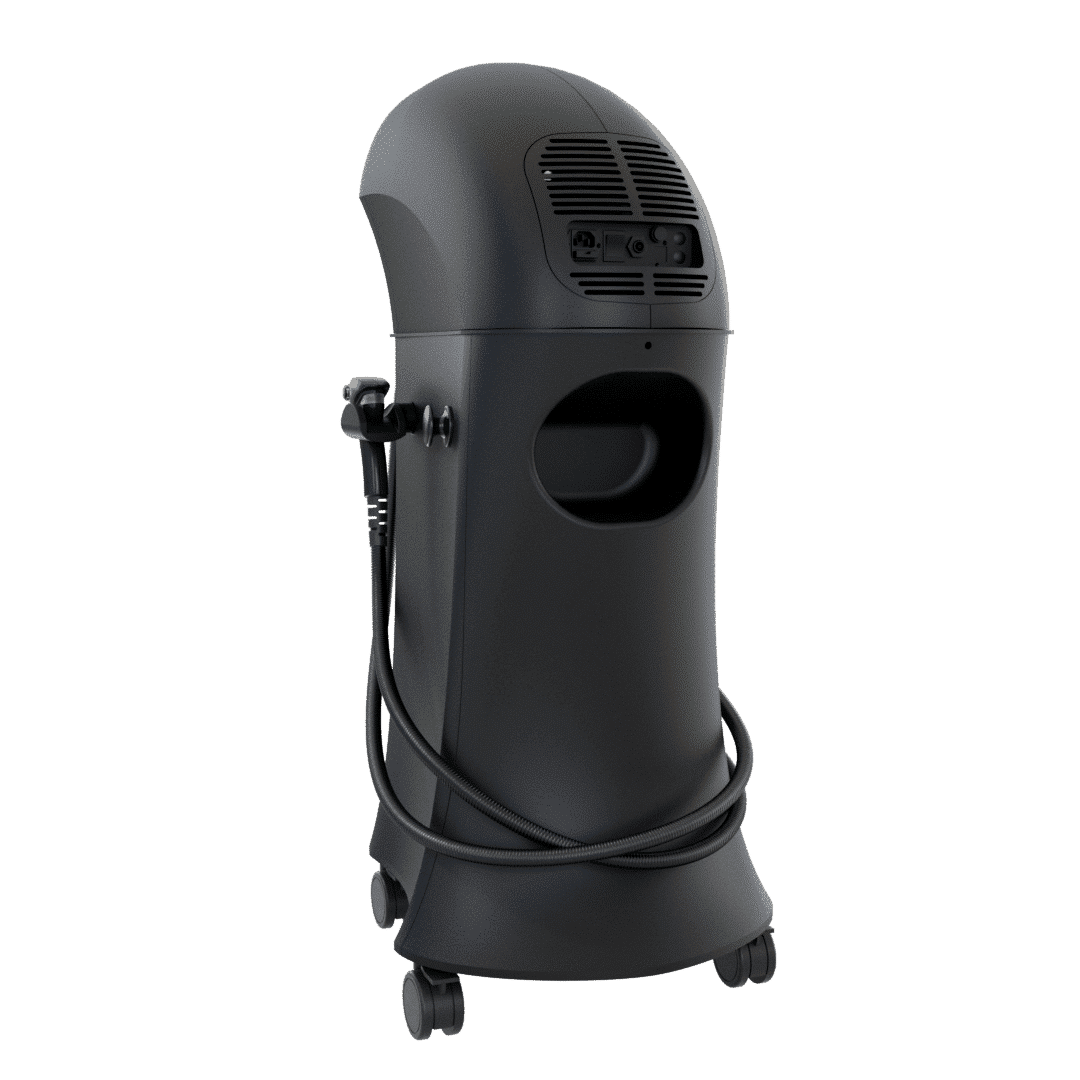
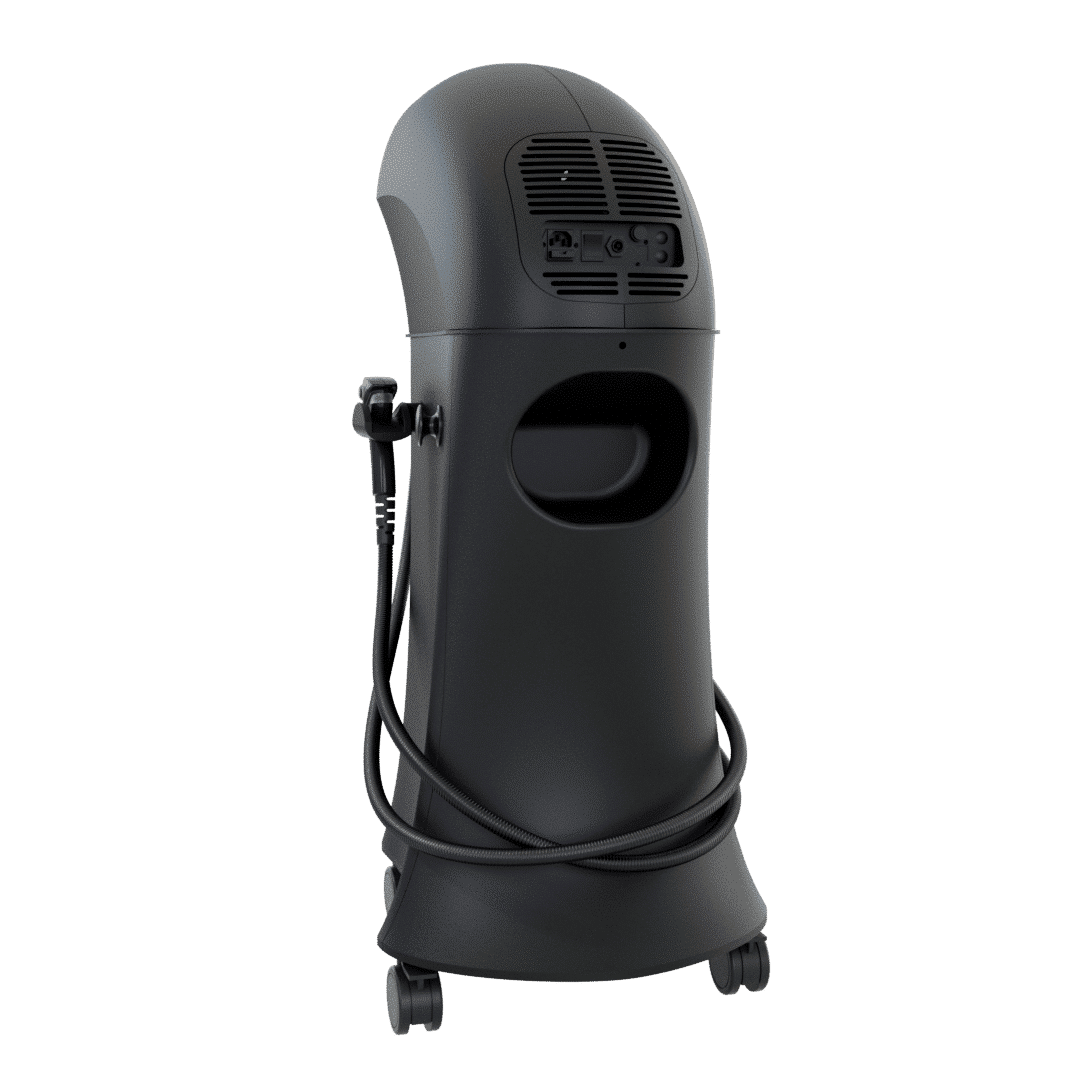
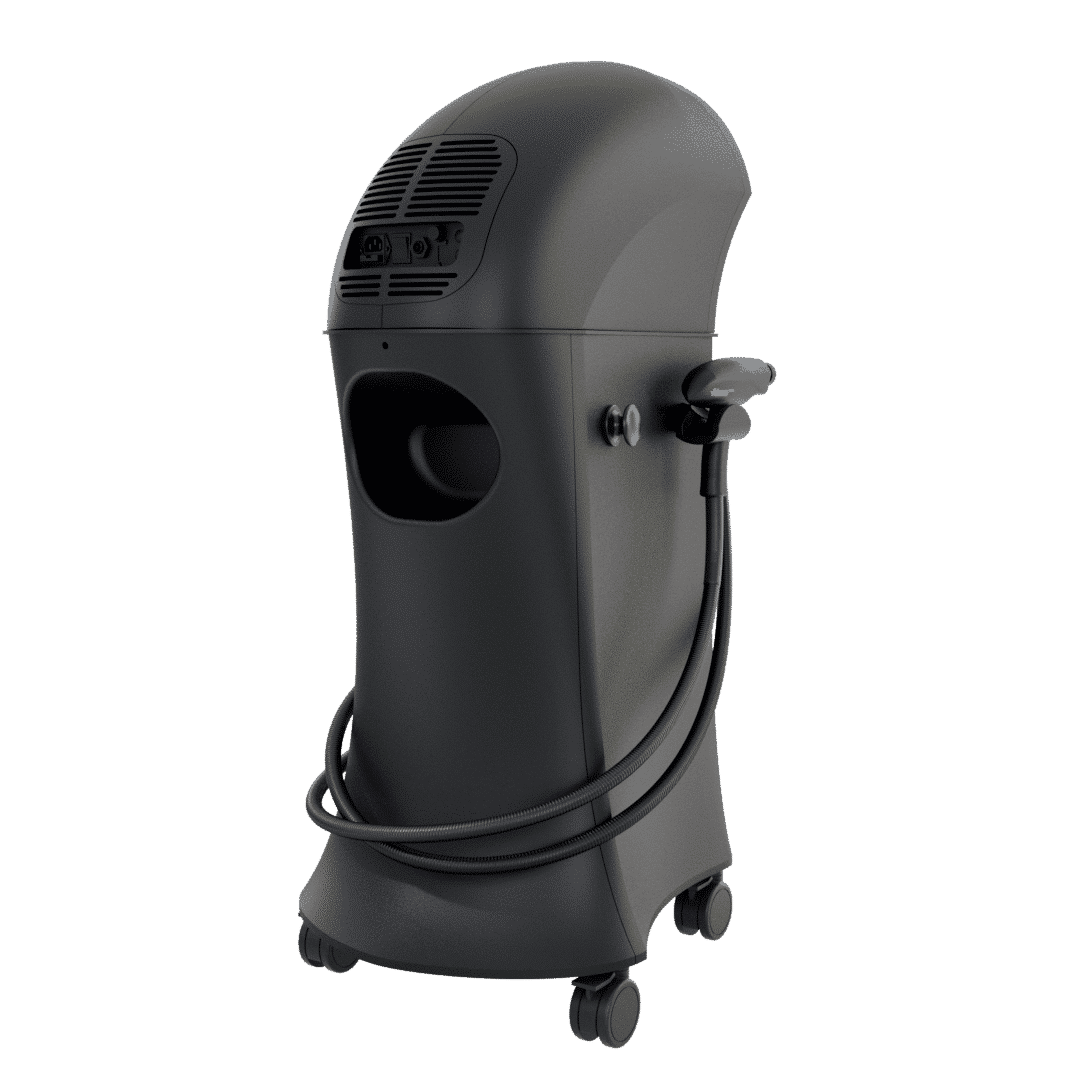
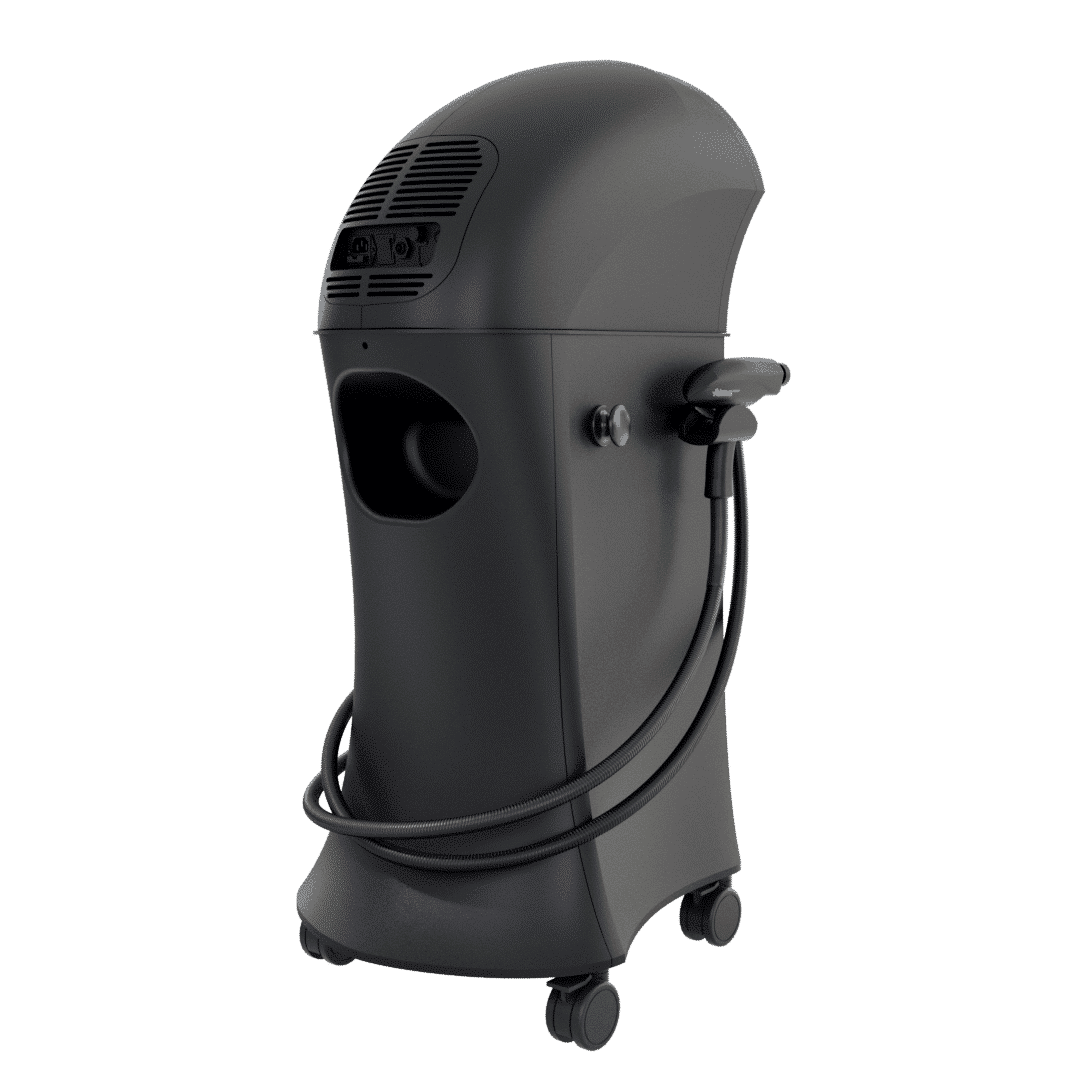
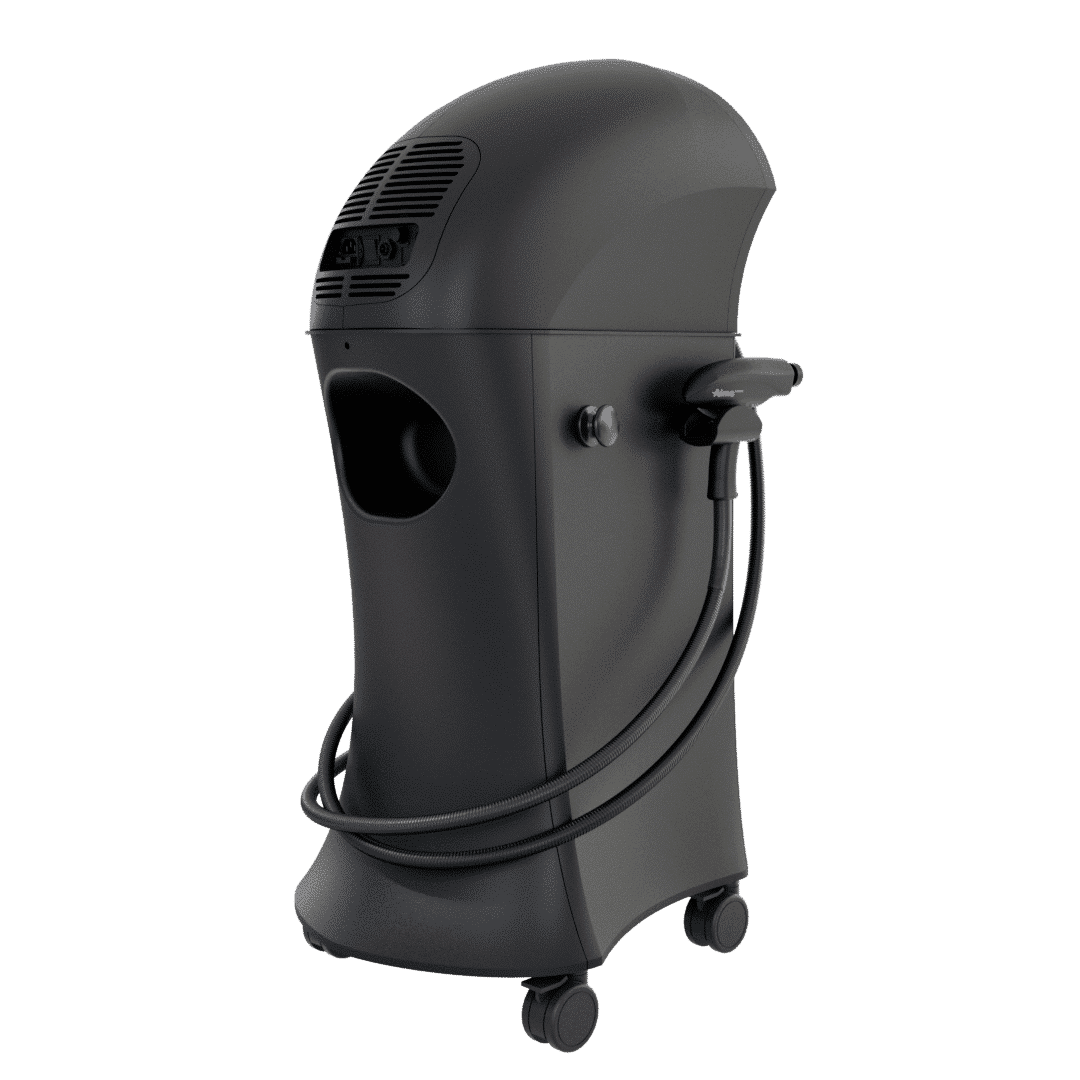
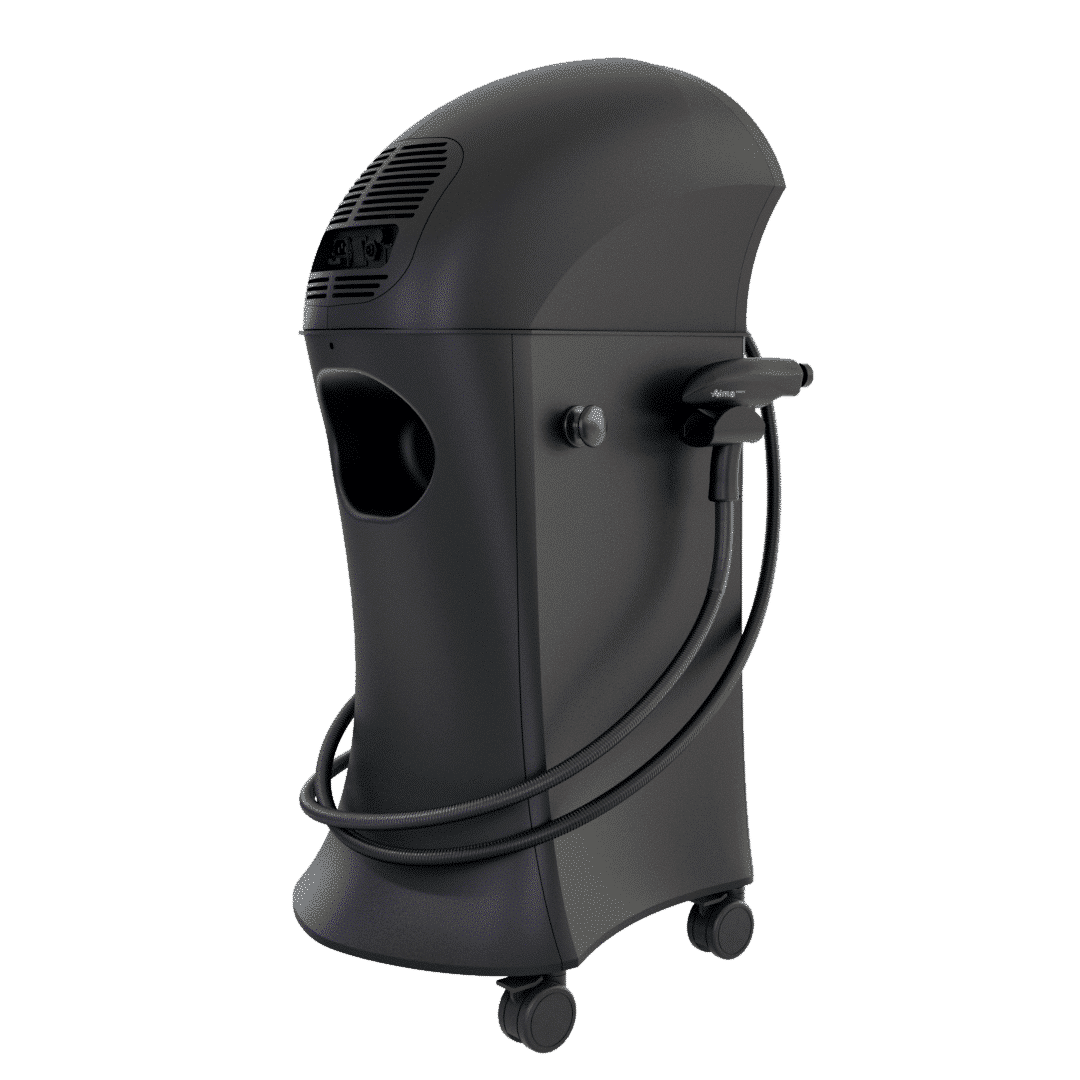
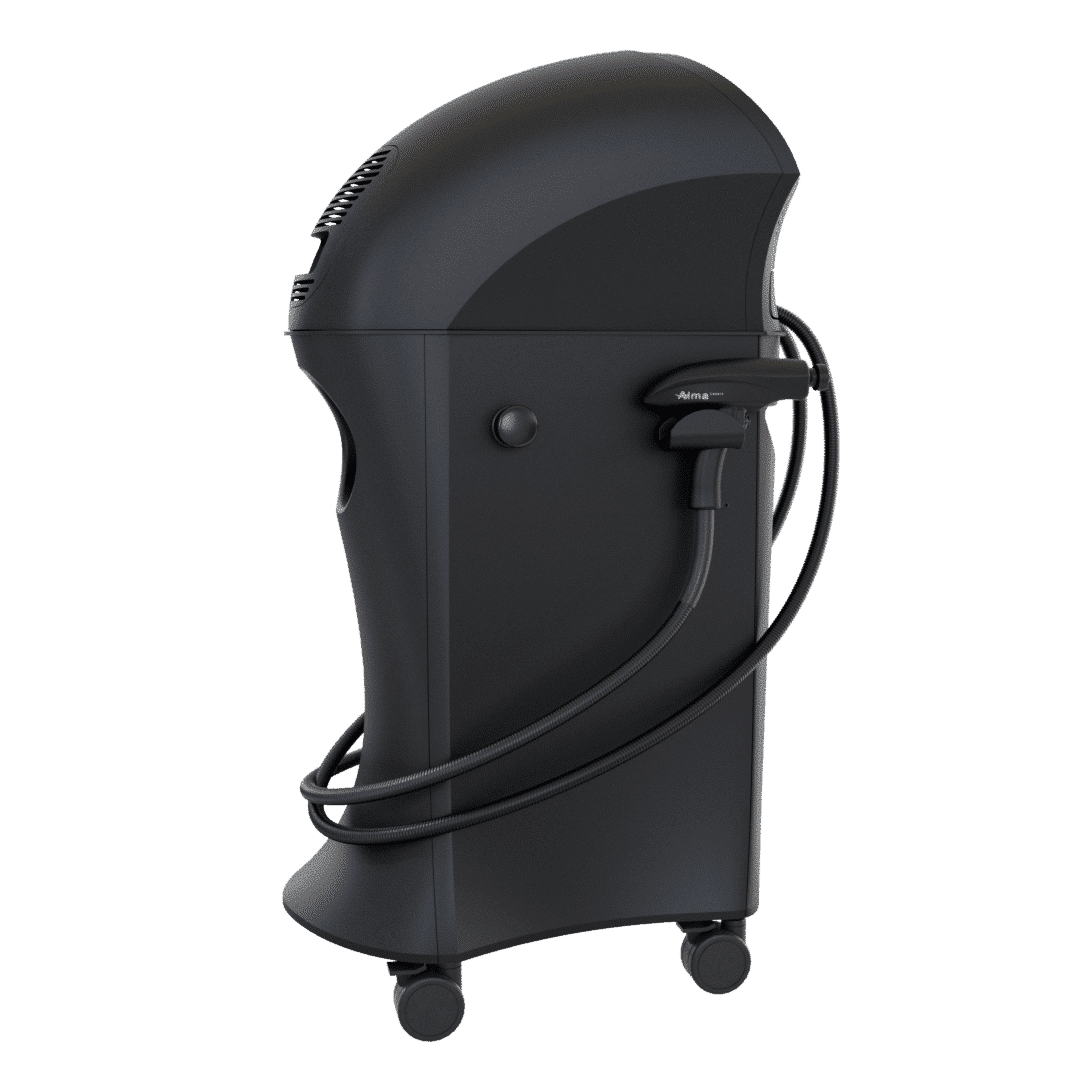
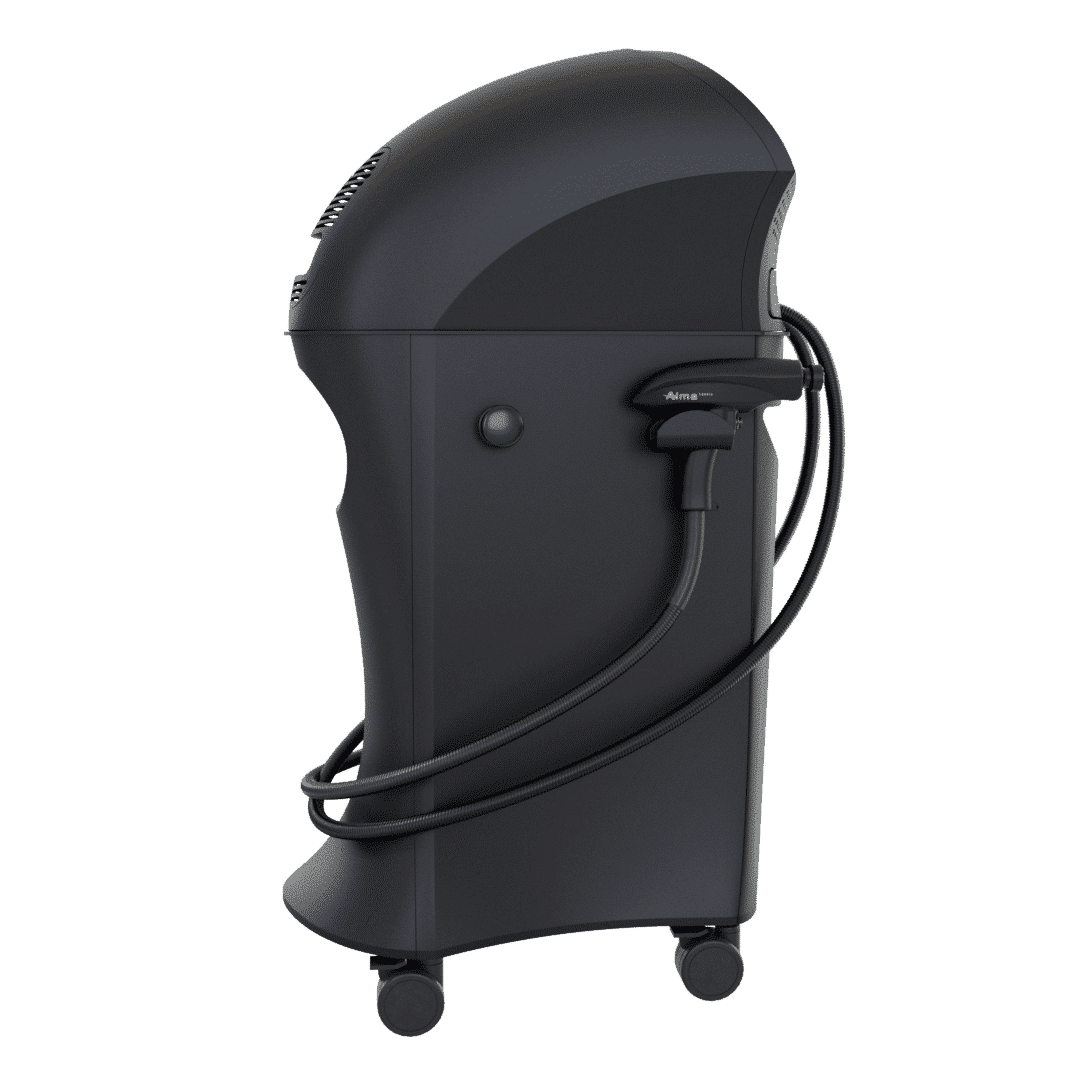
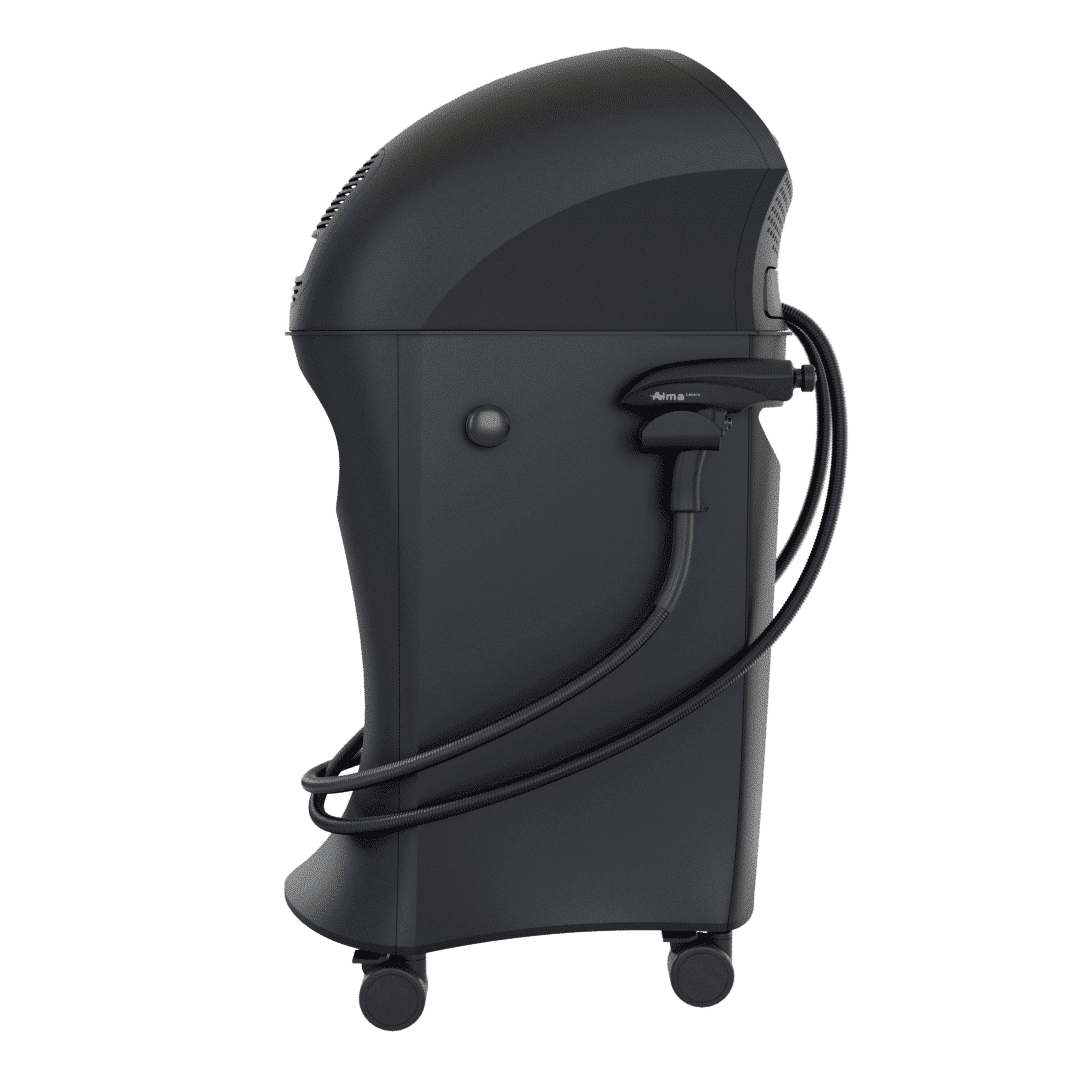
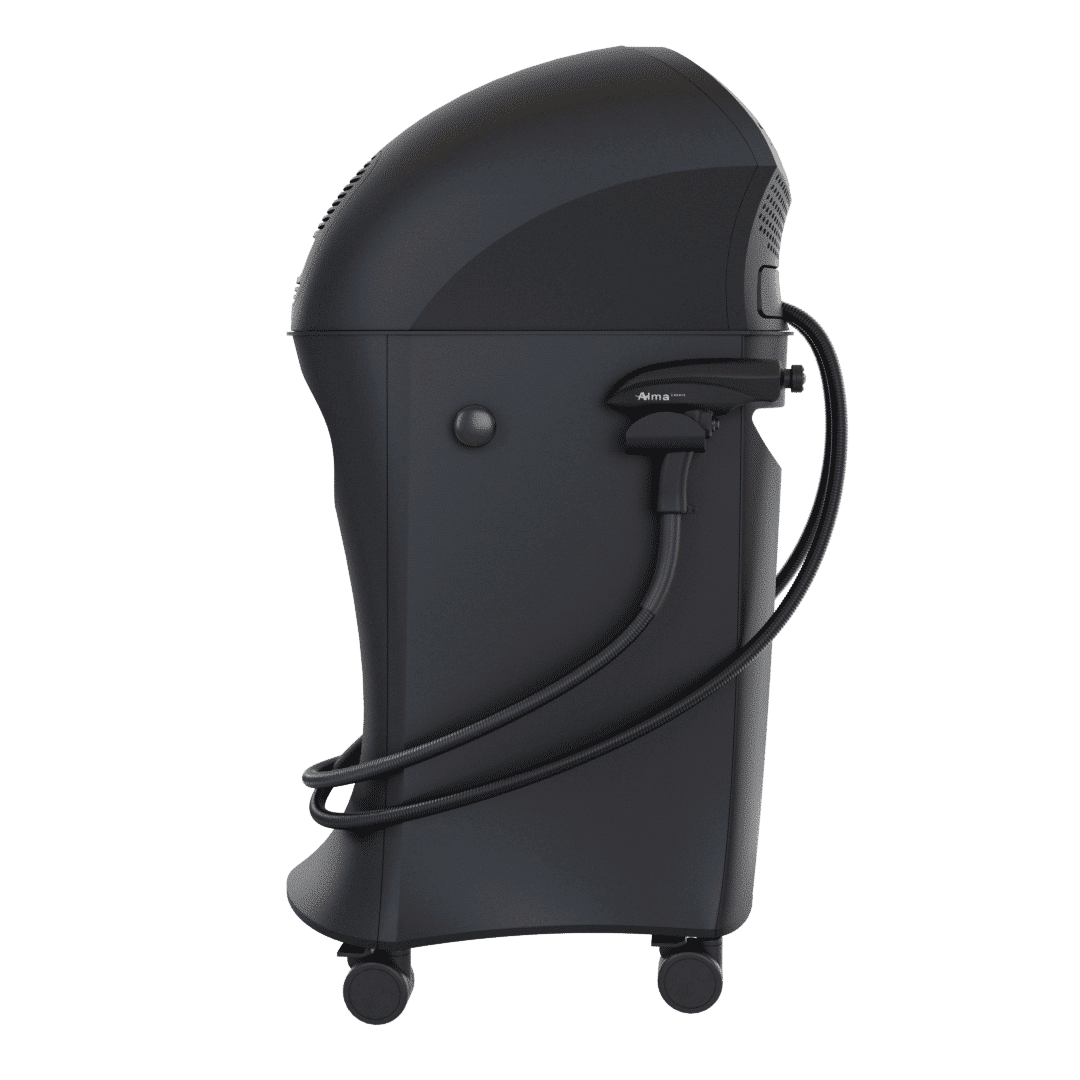
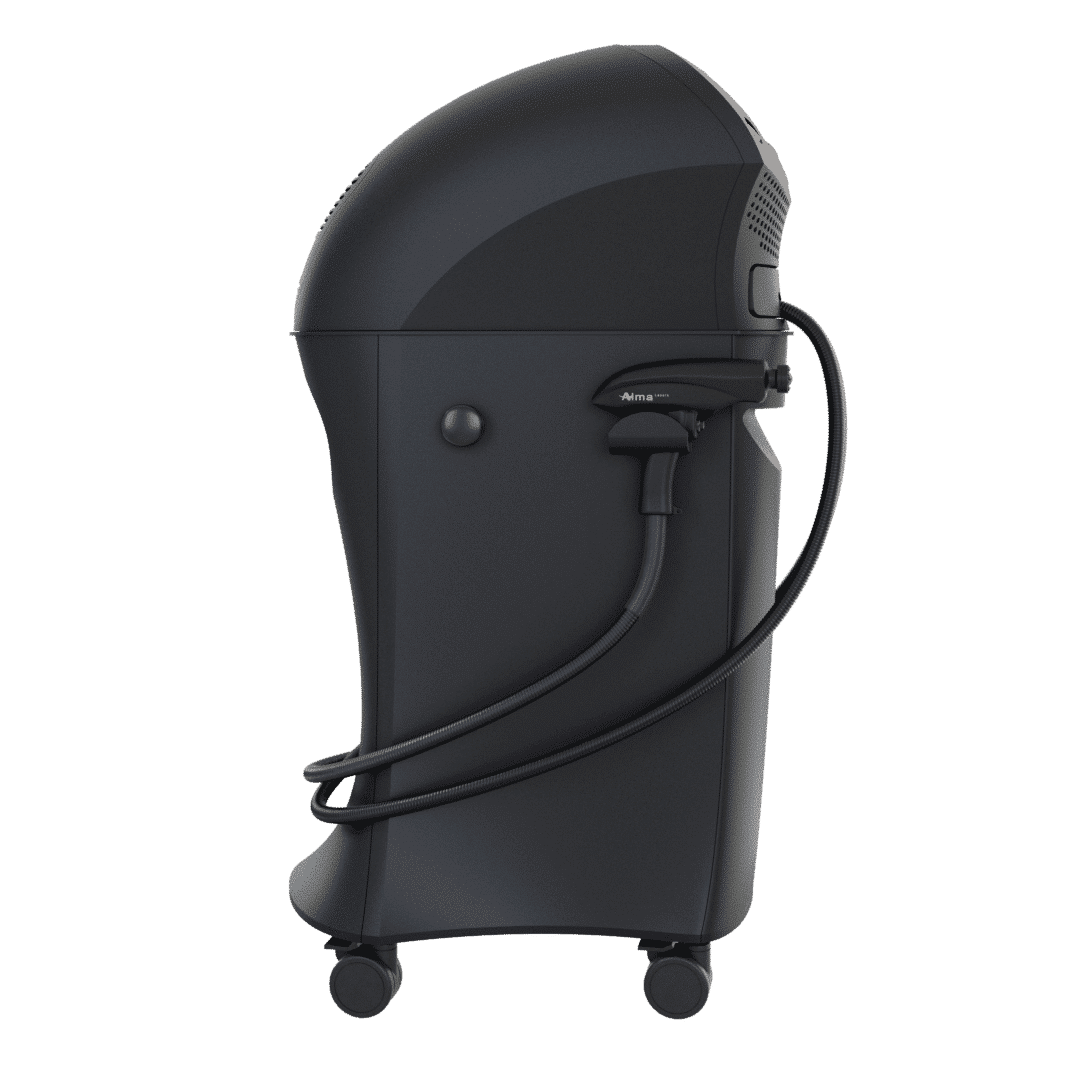
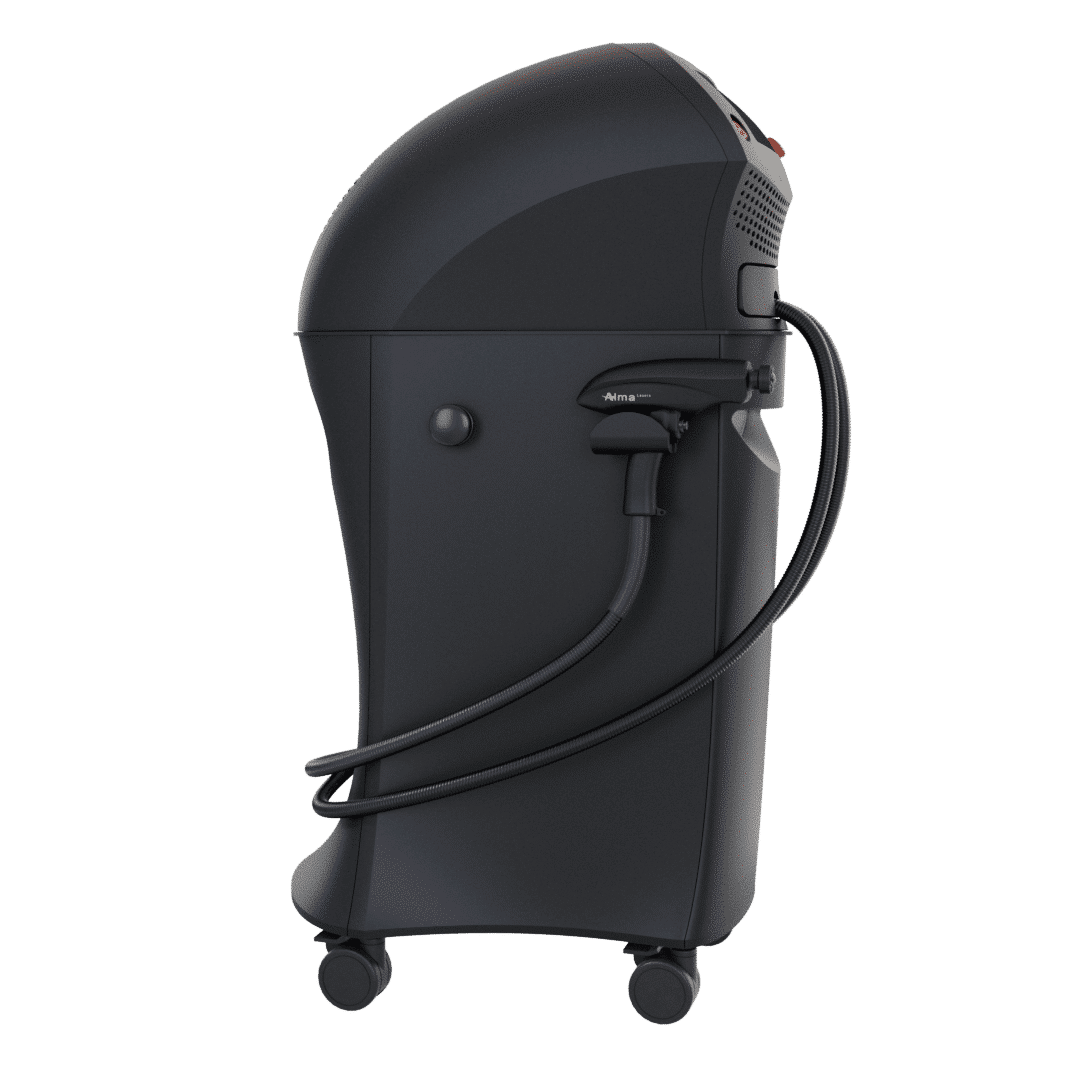
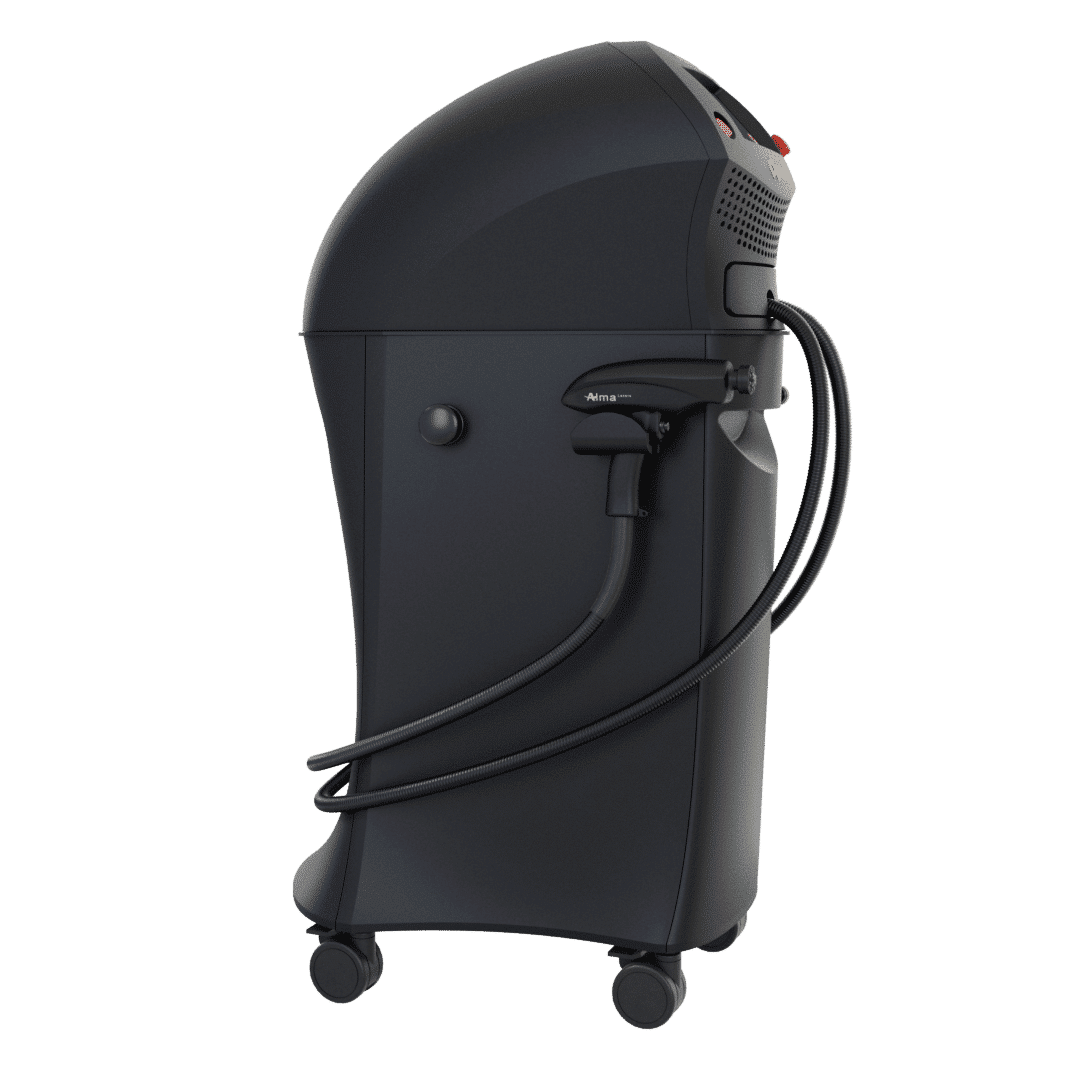
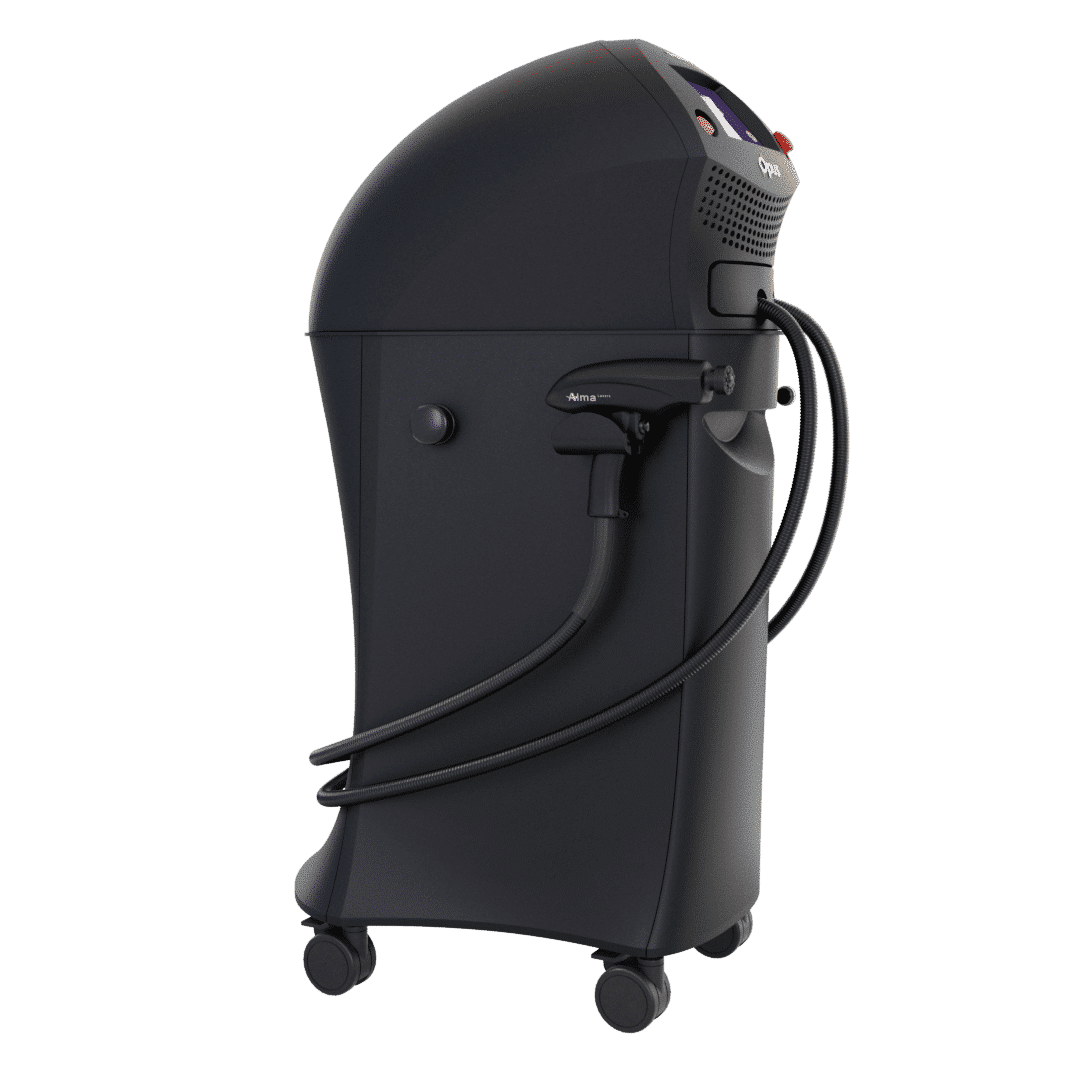
Opus desktop header1 lightOpus mobile header

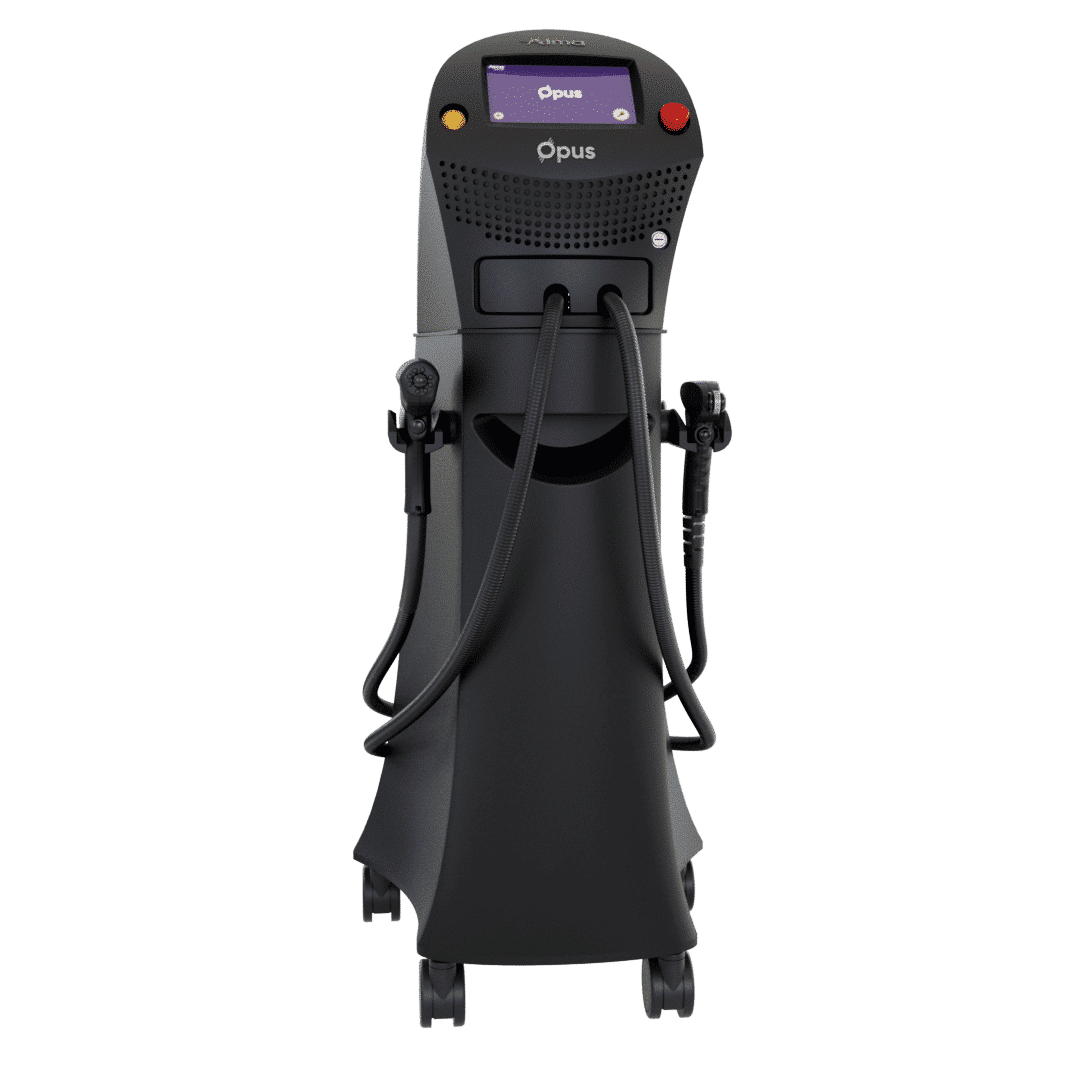
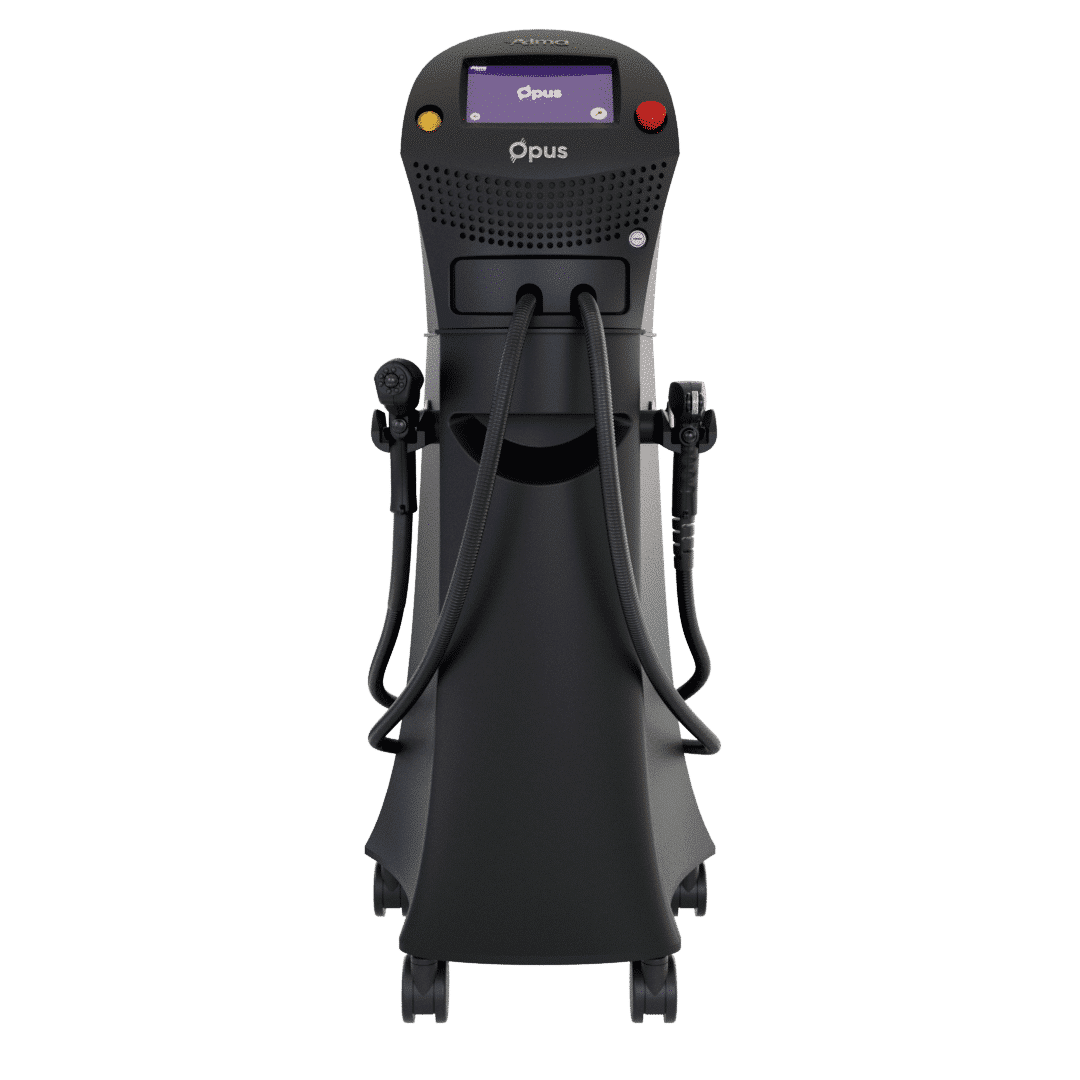
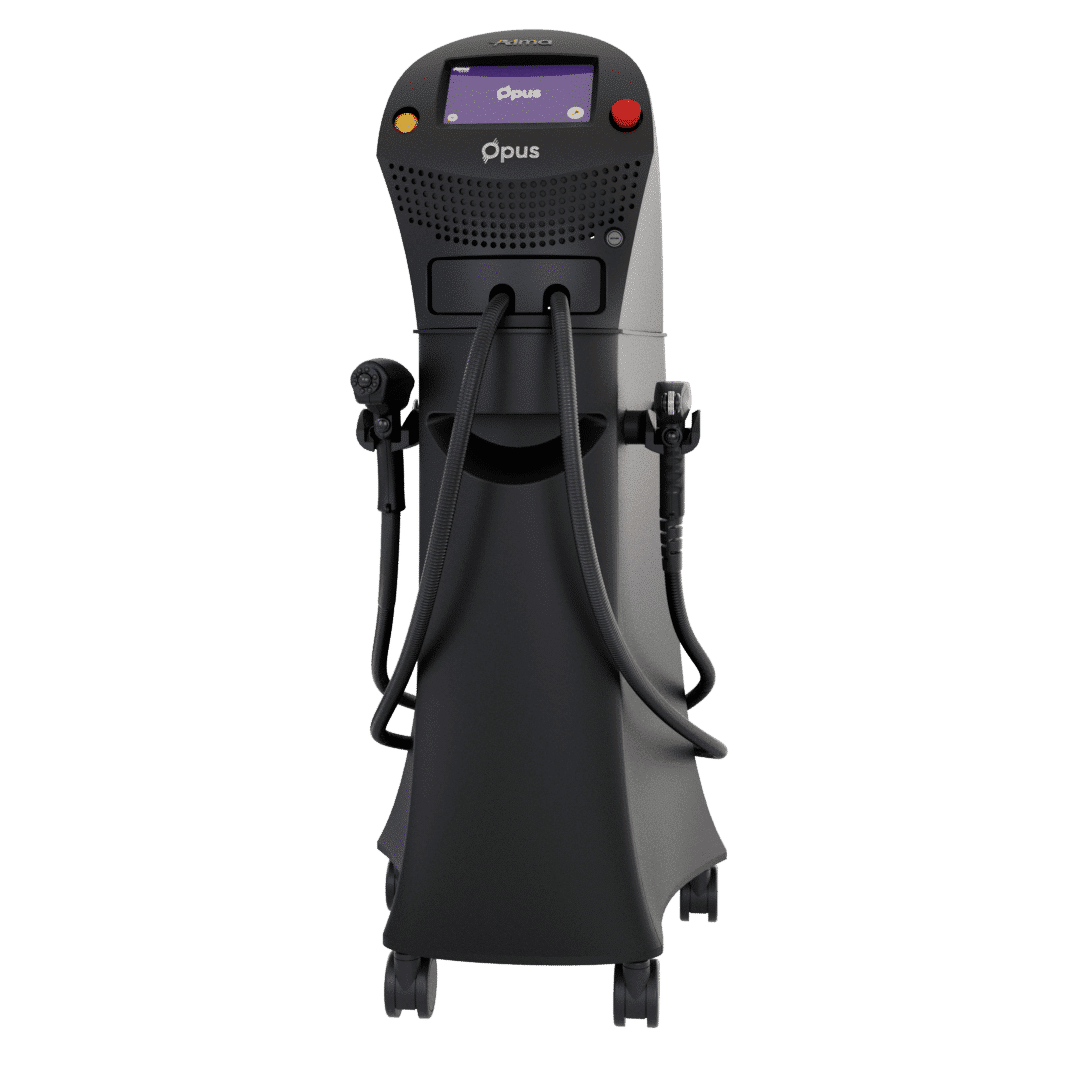
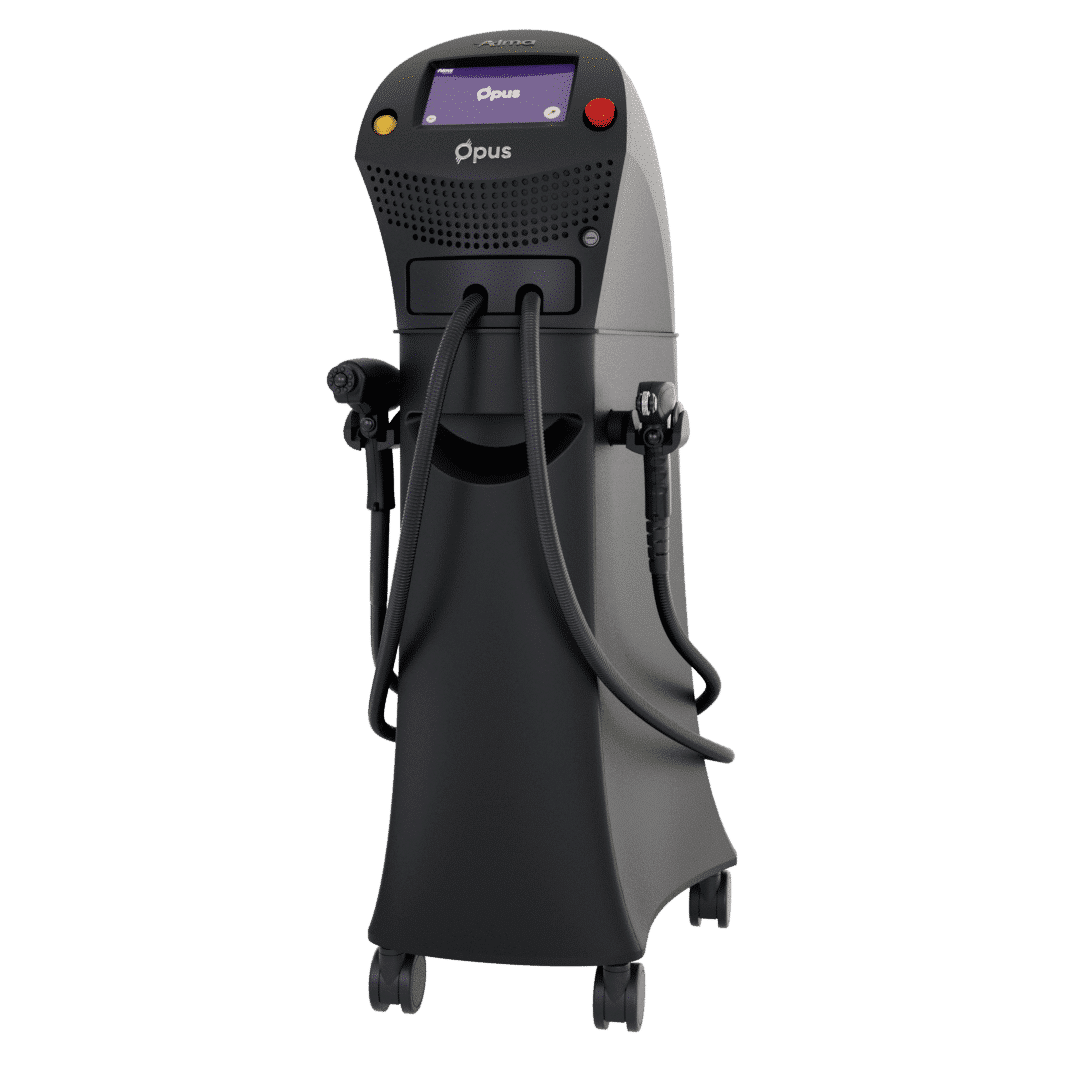
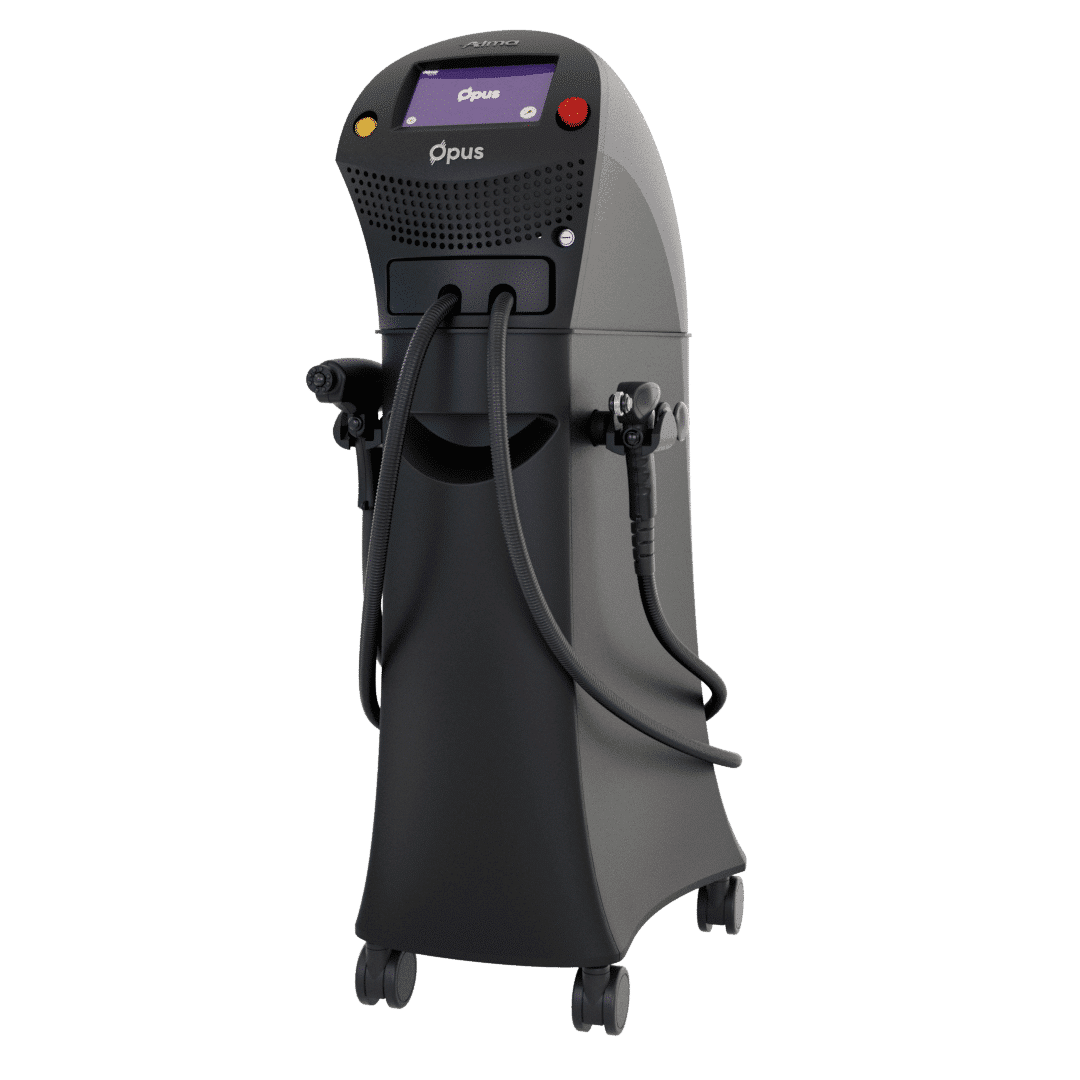
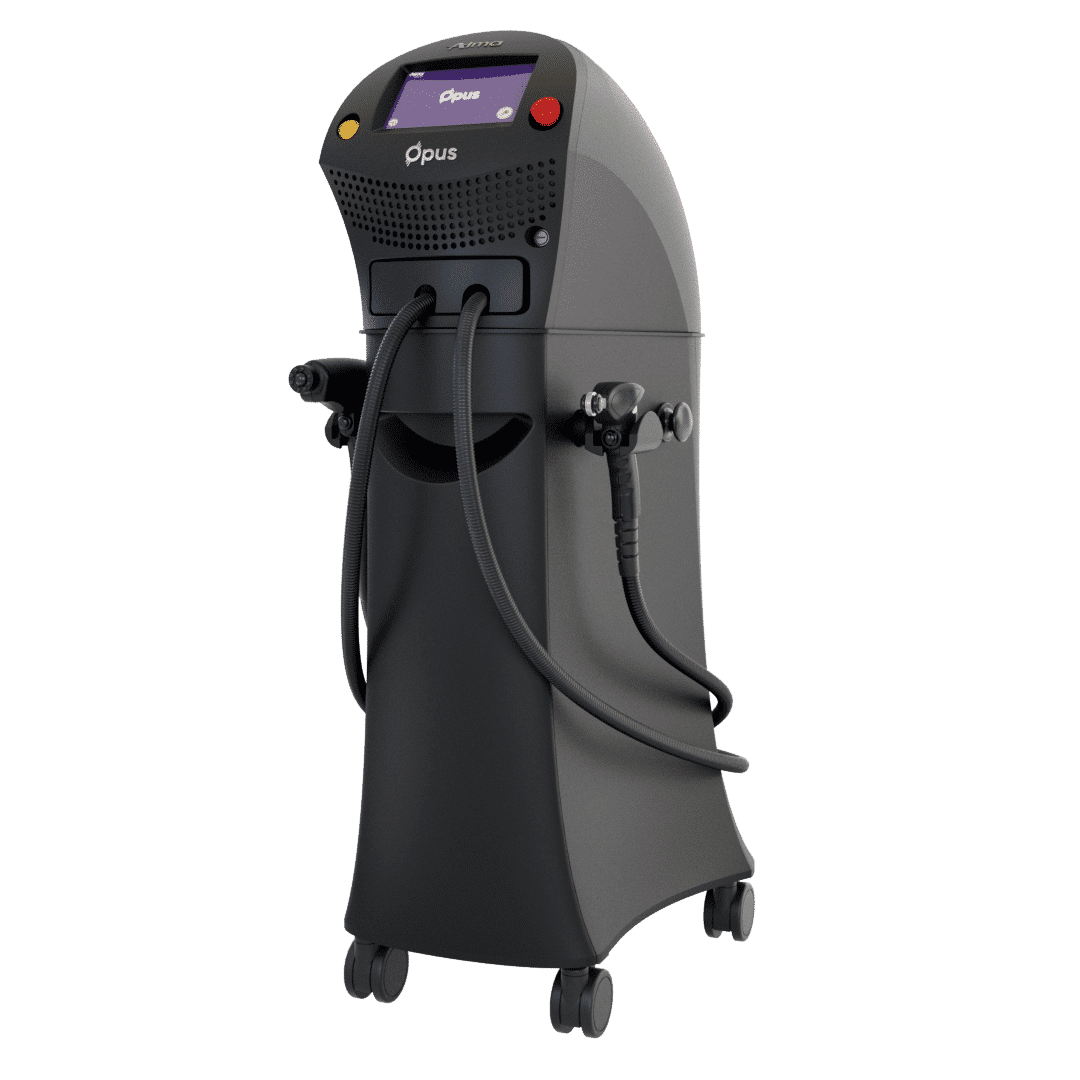
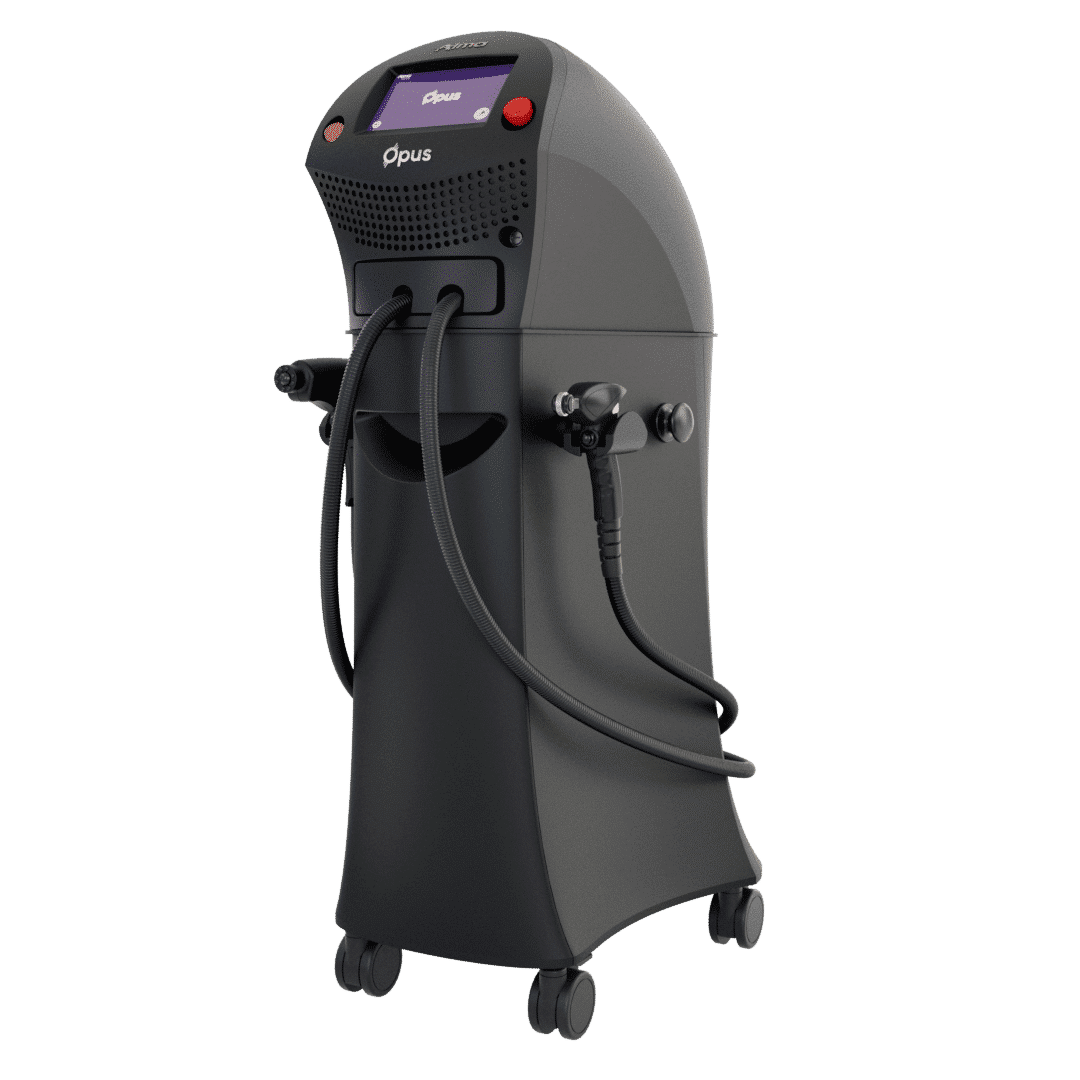
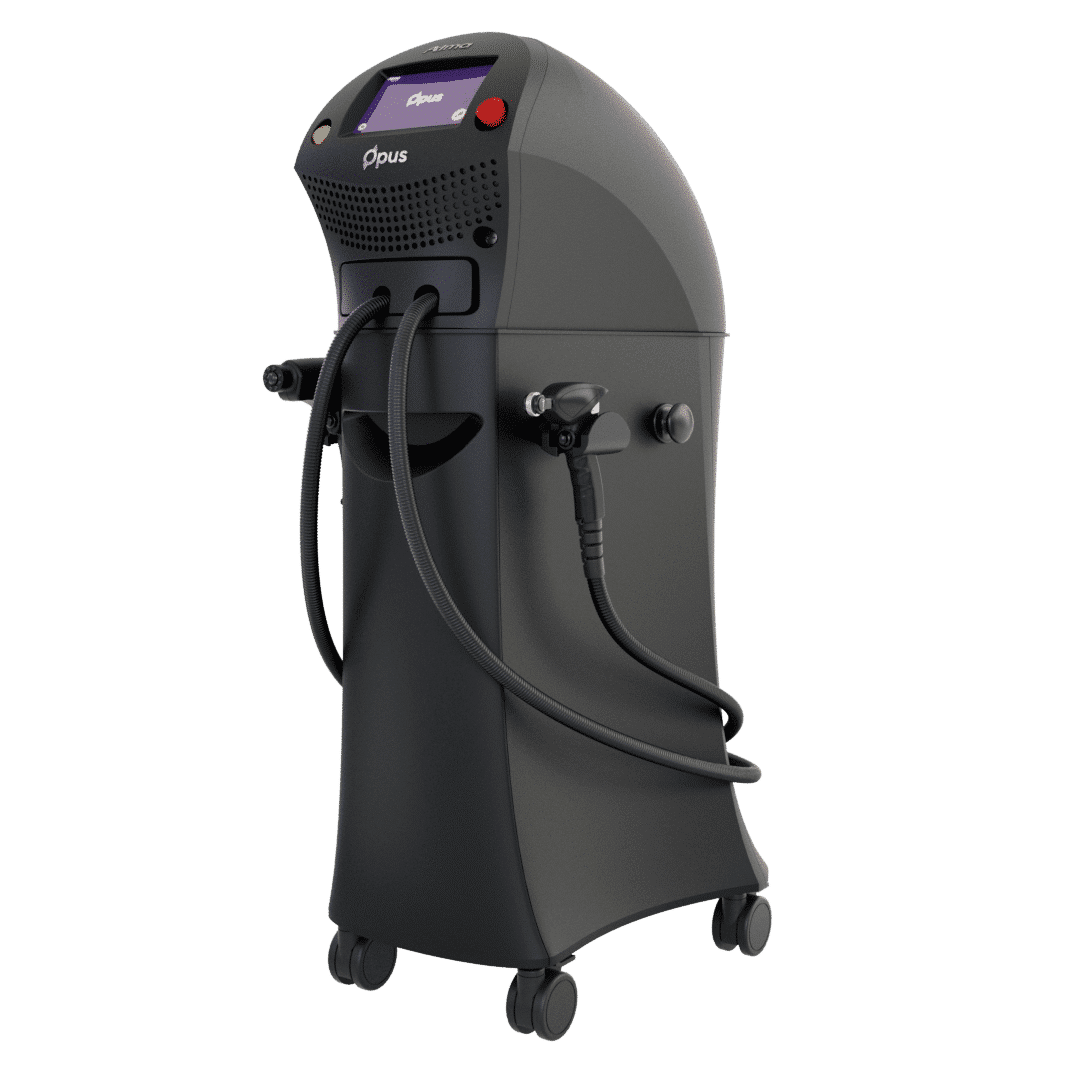
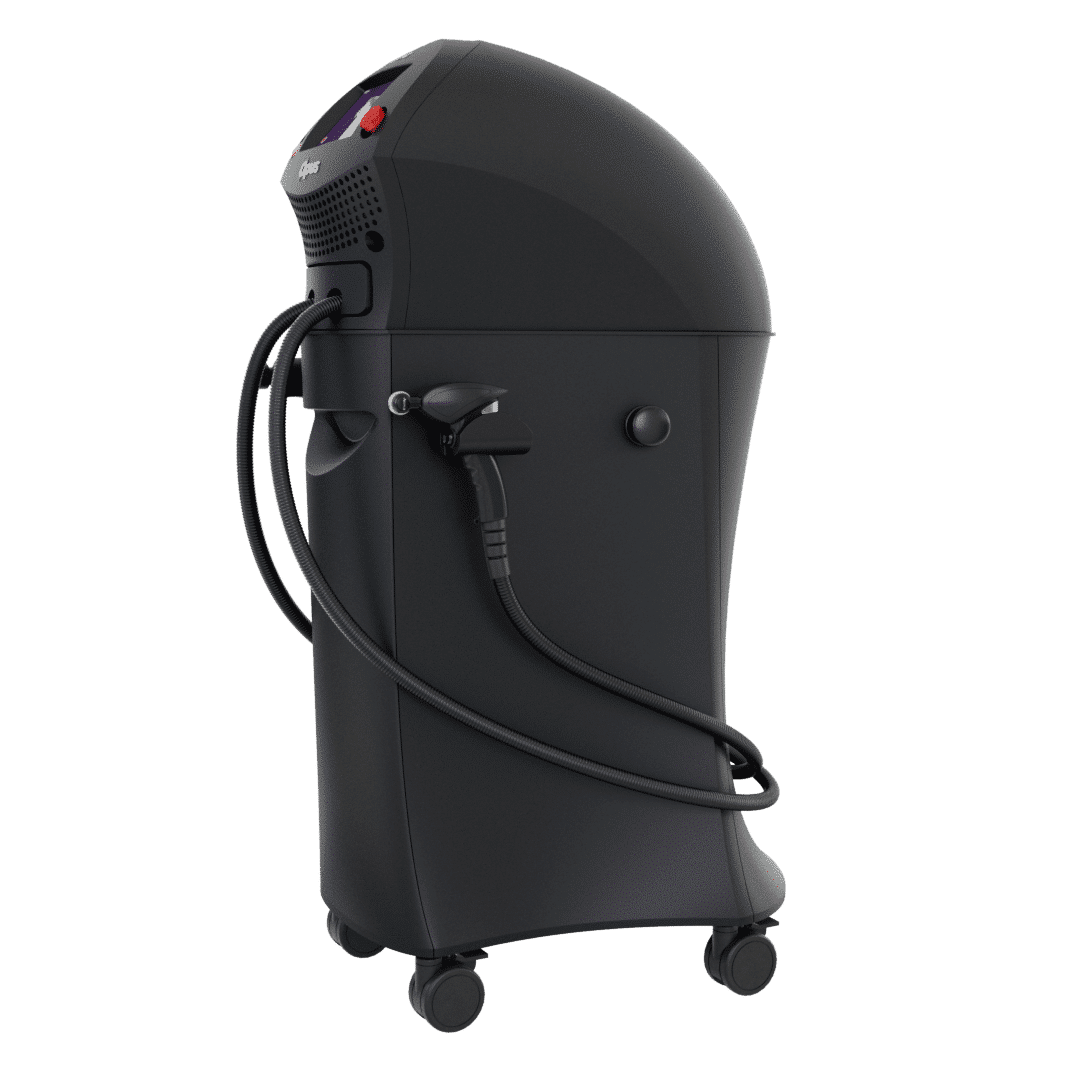
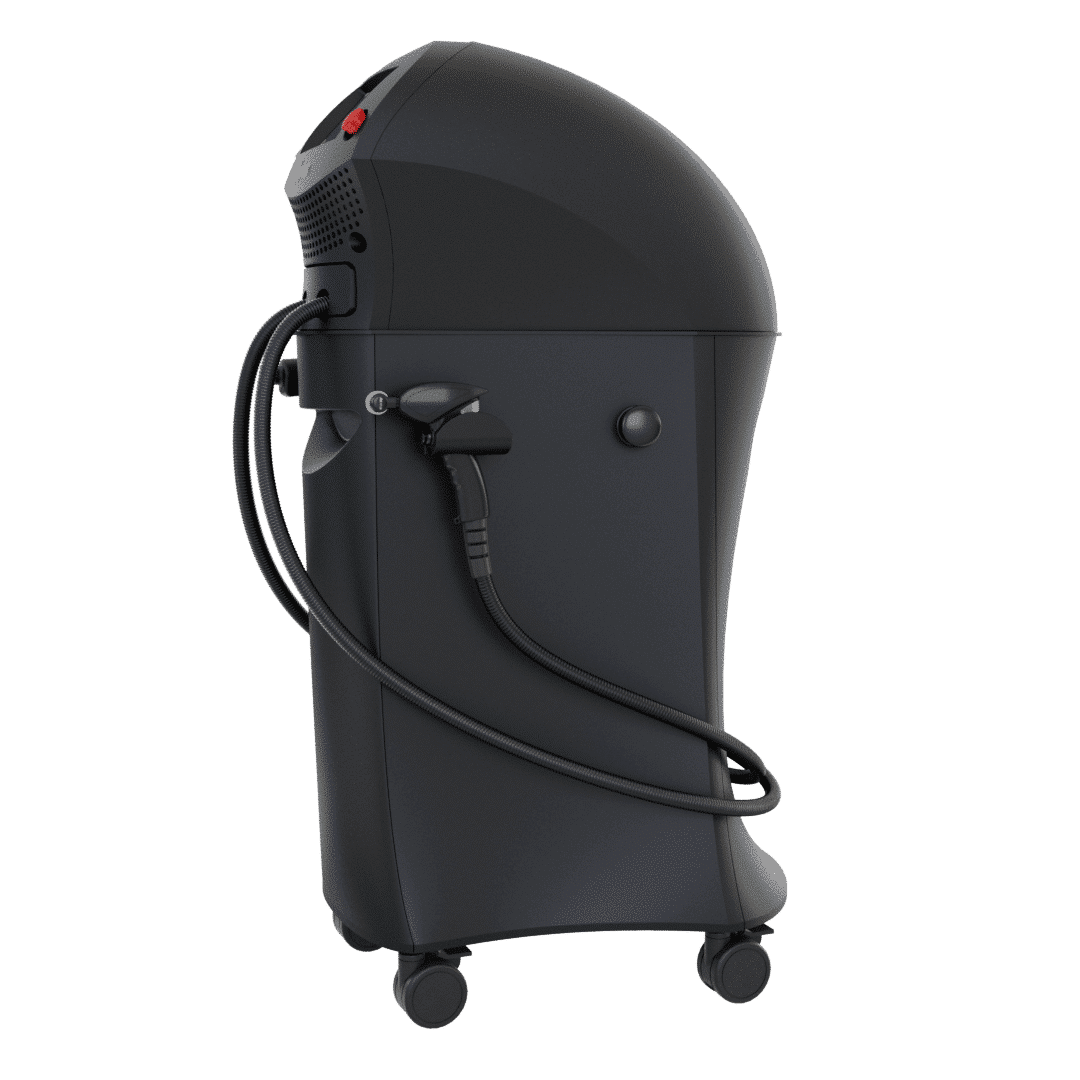
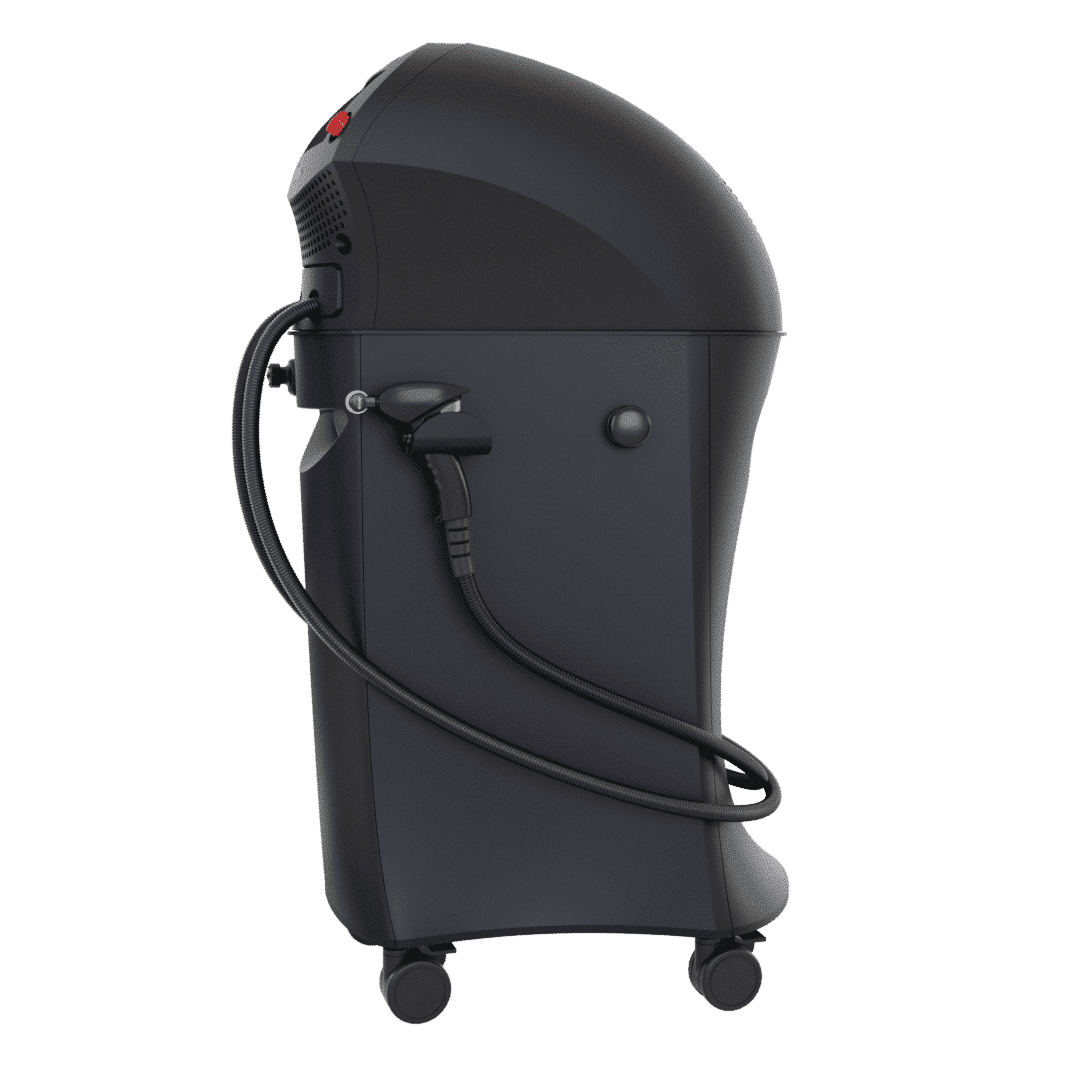
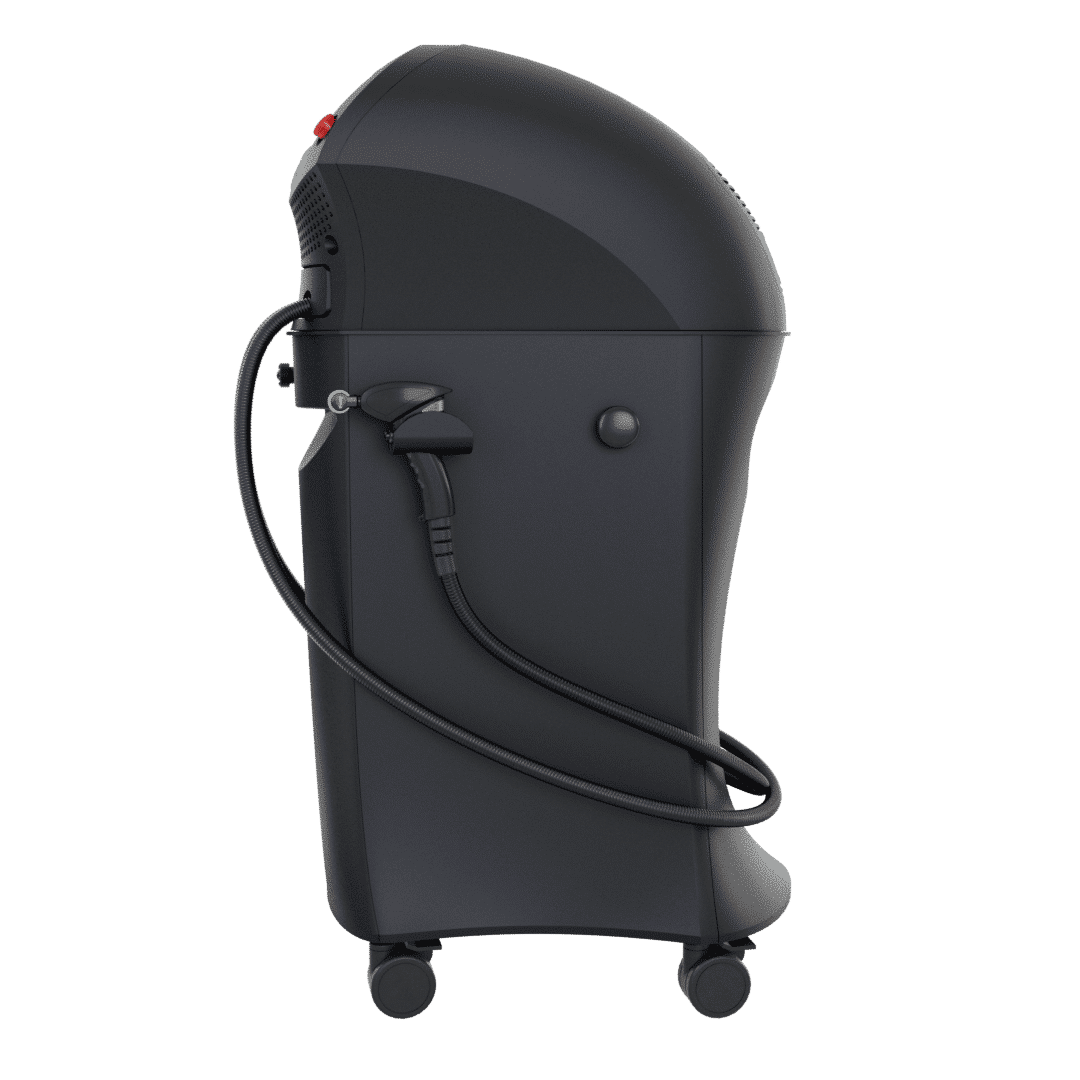
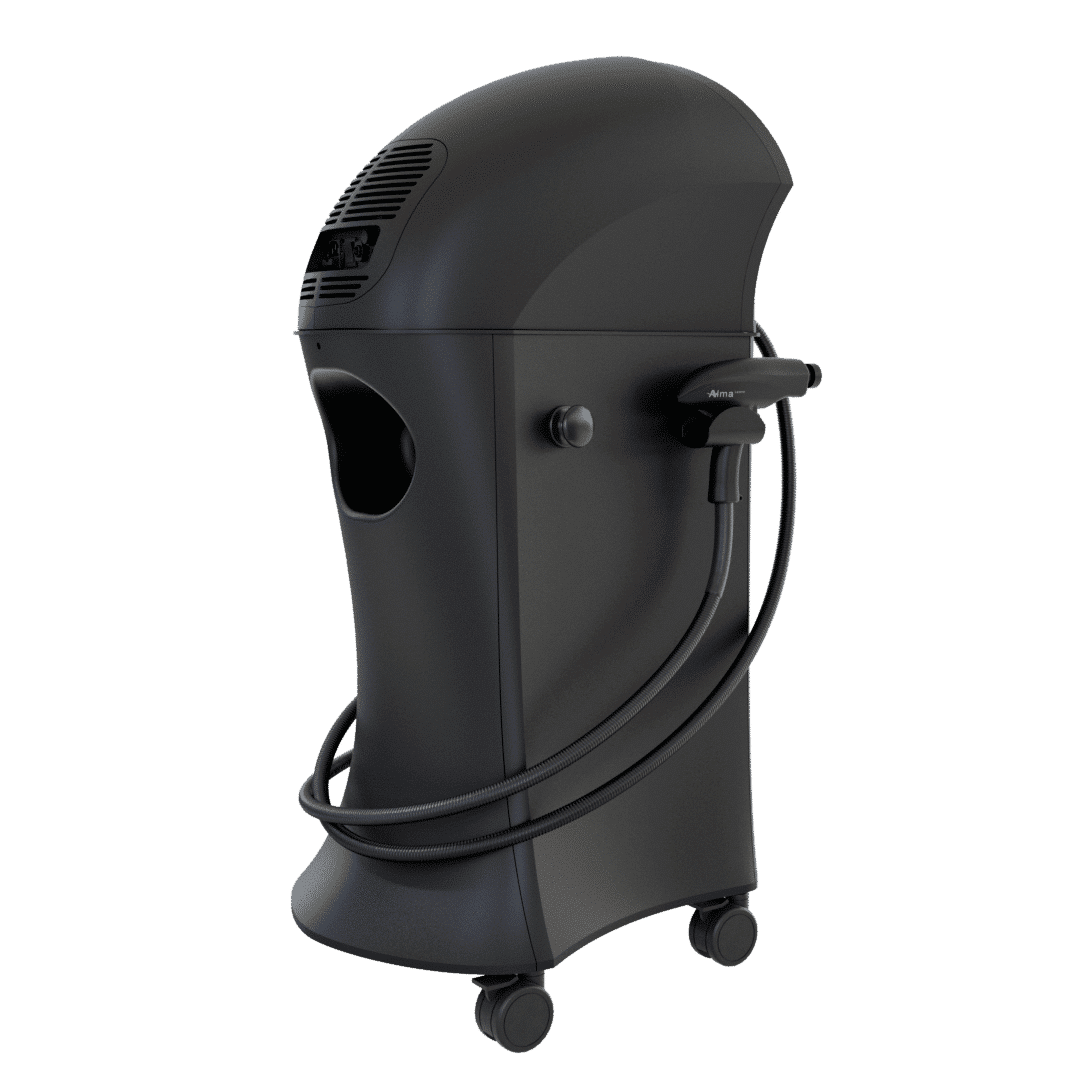
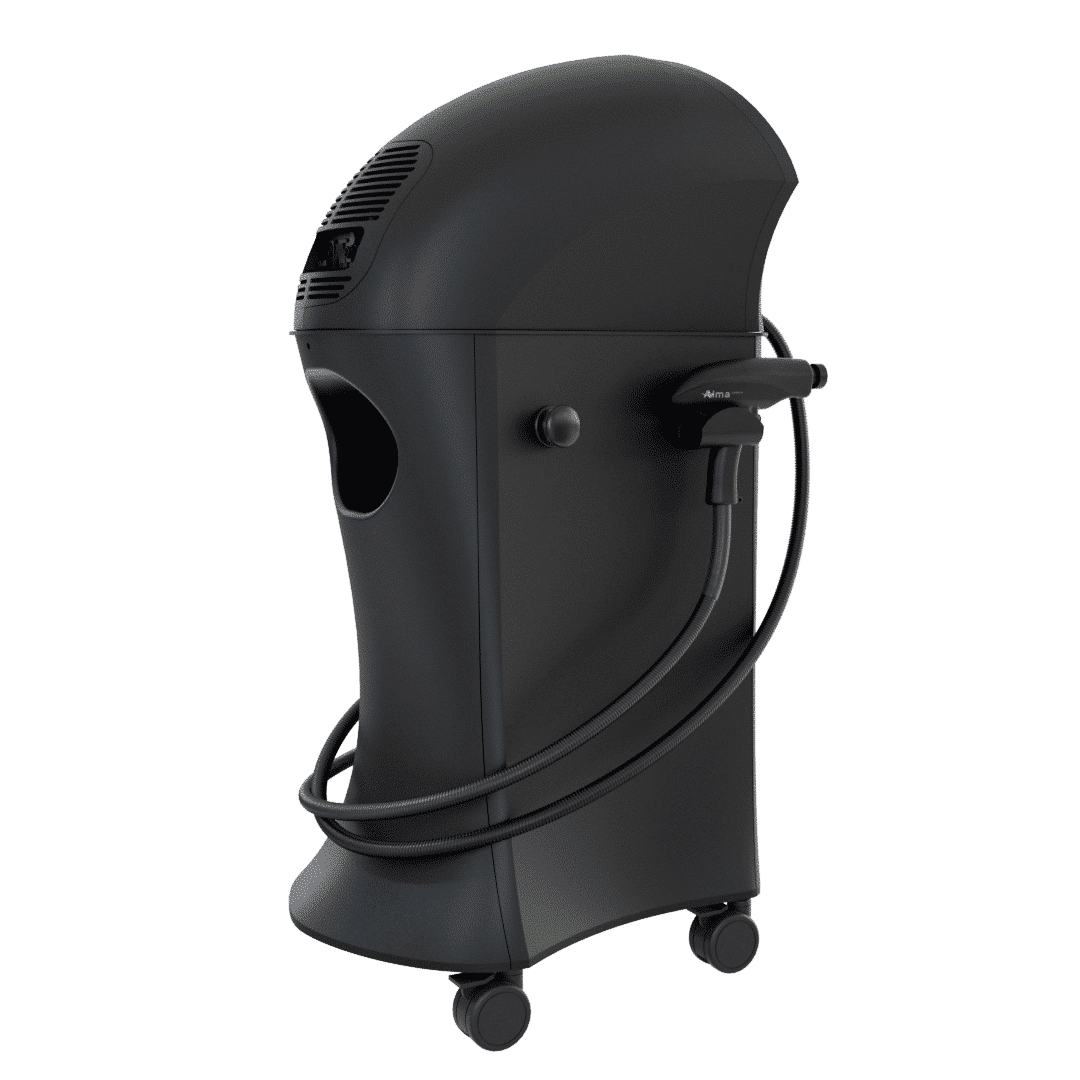
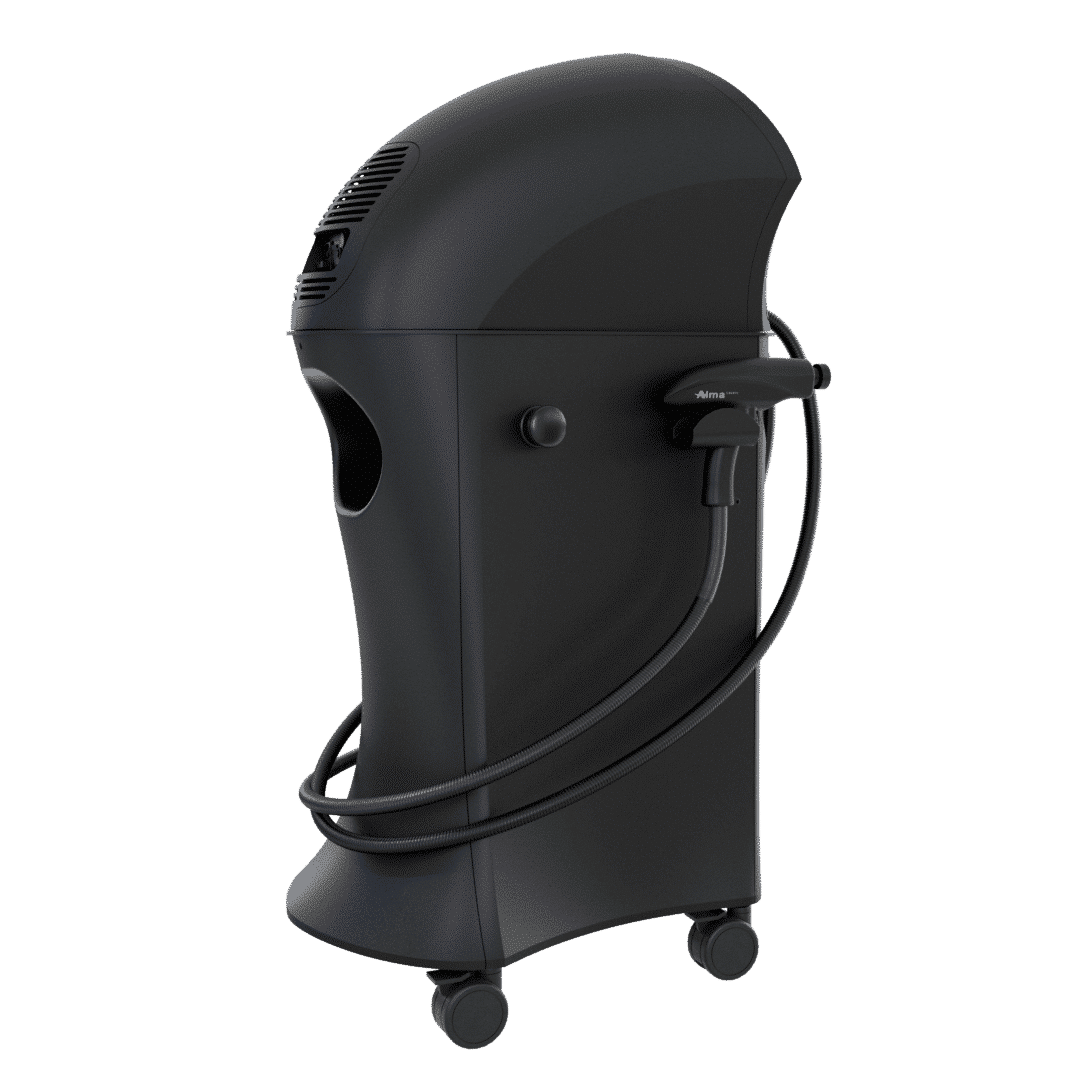
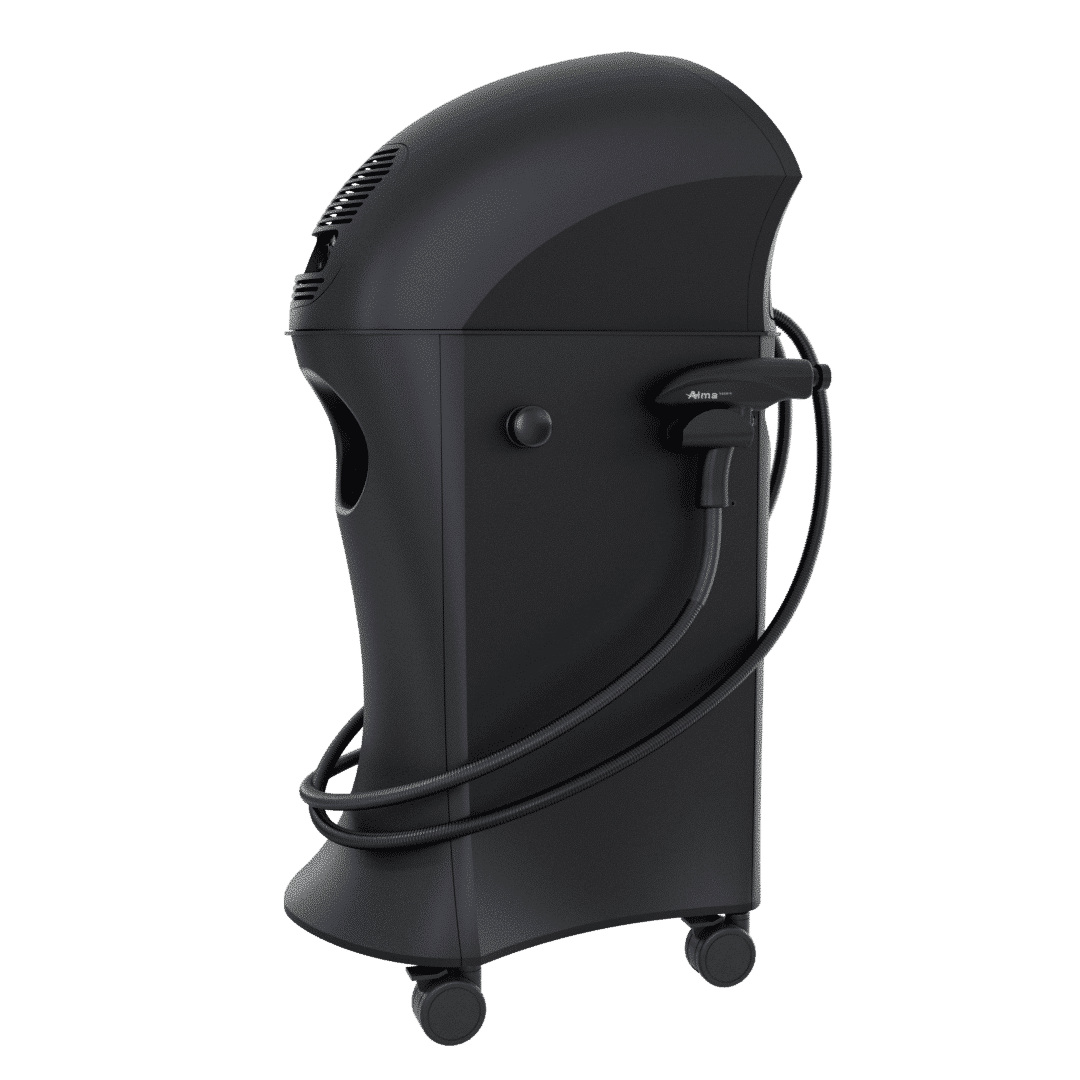
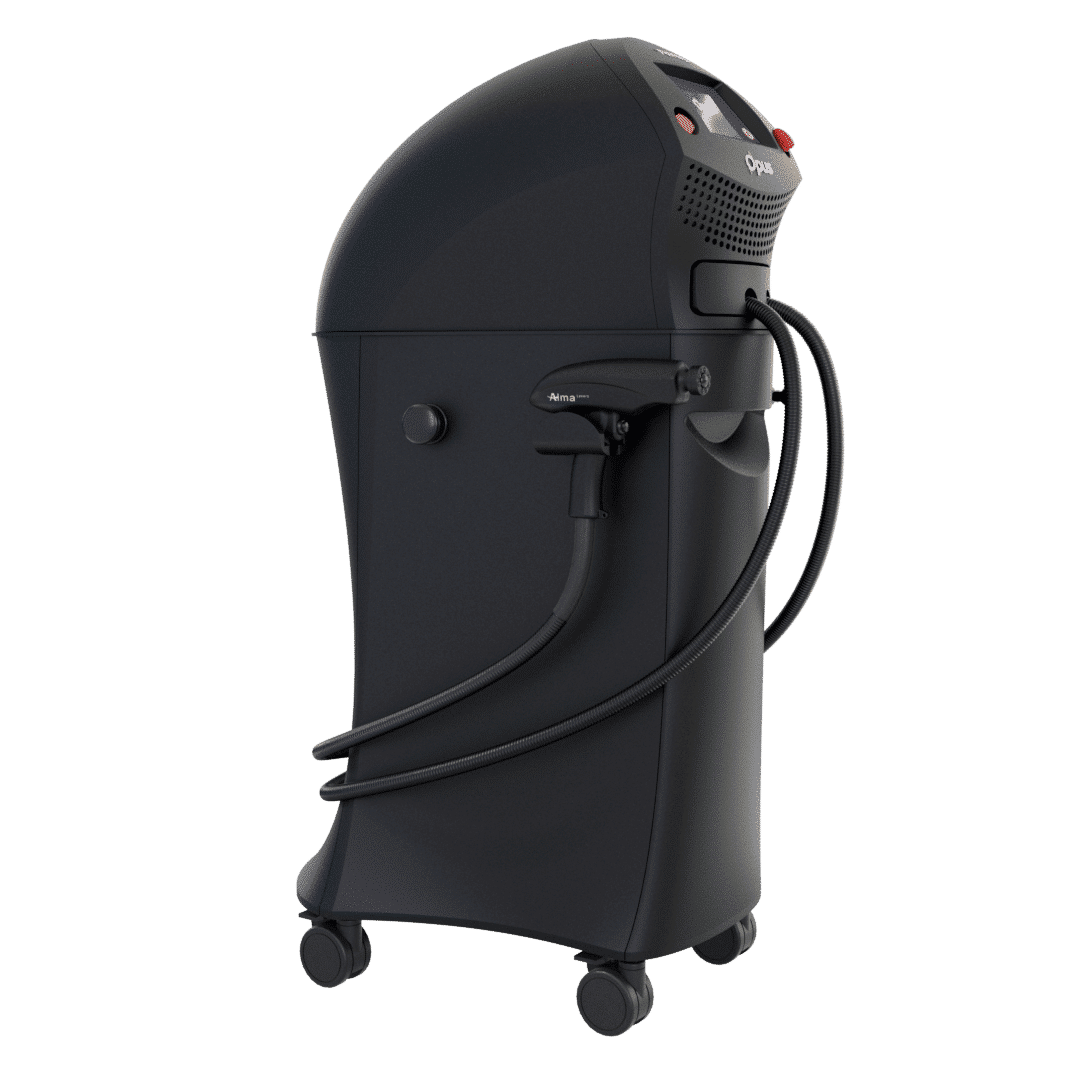
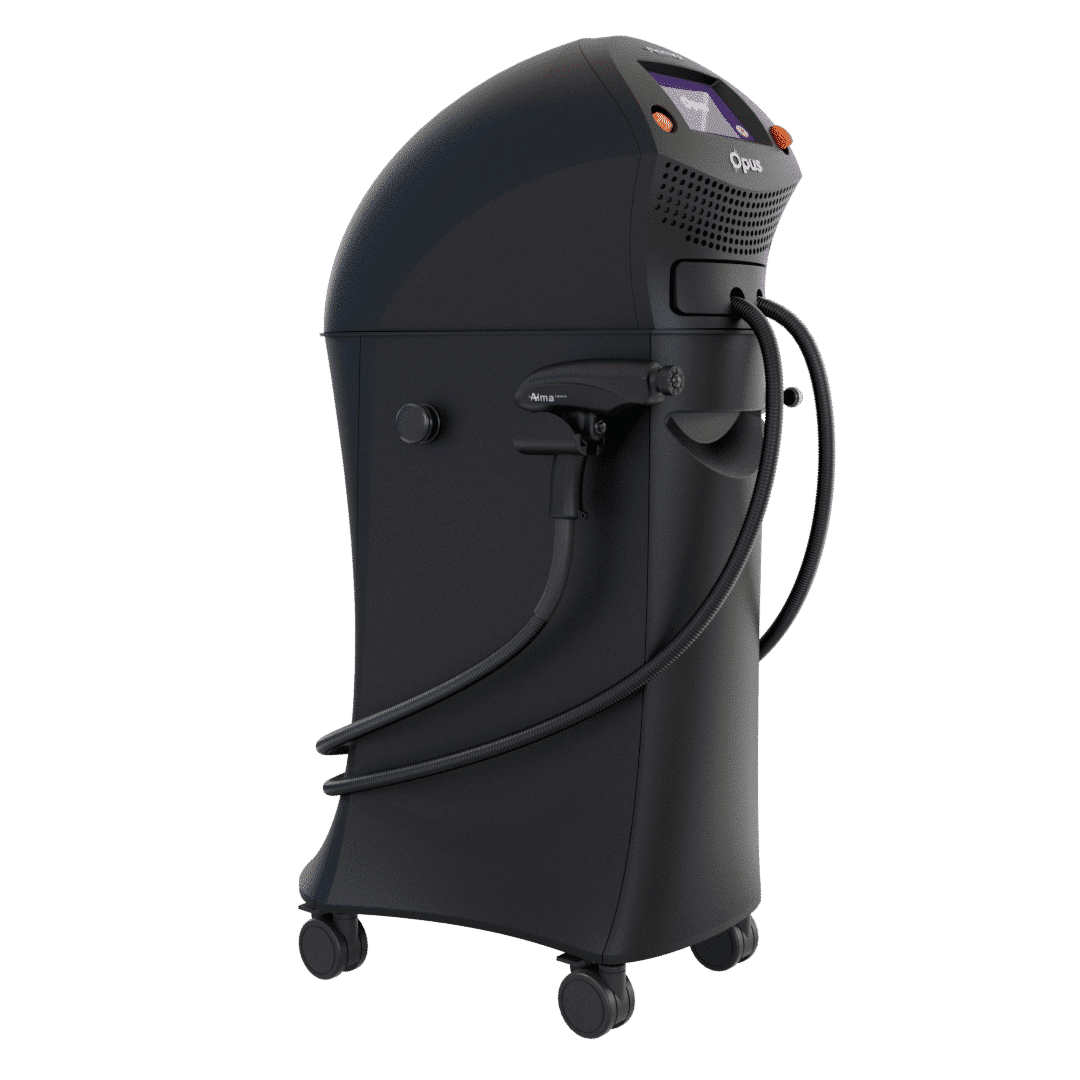
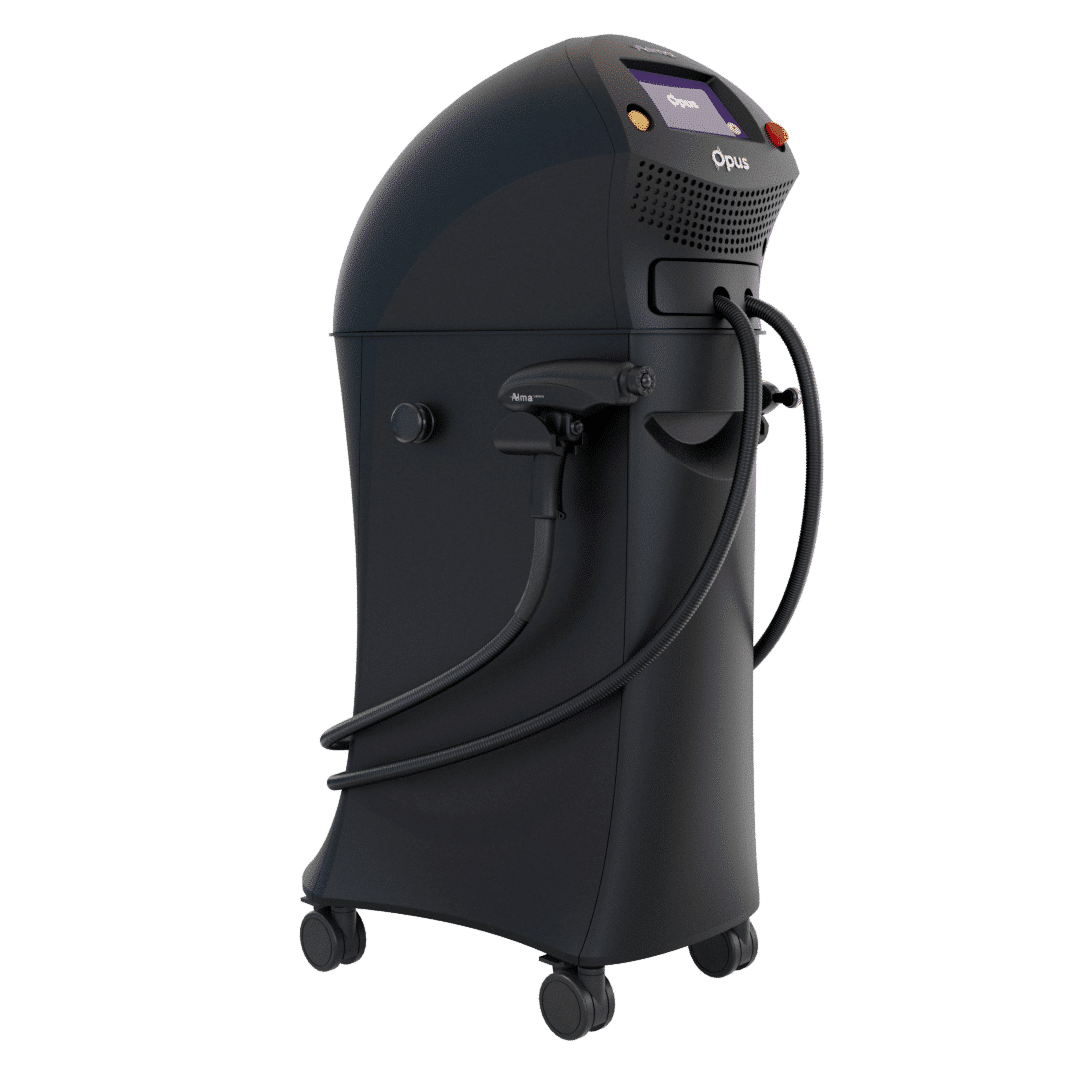
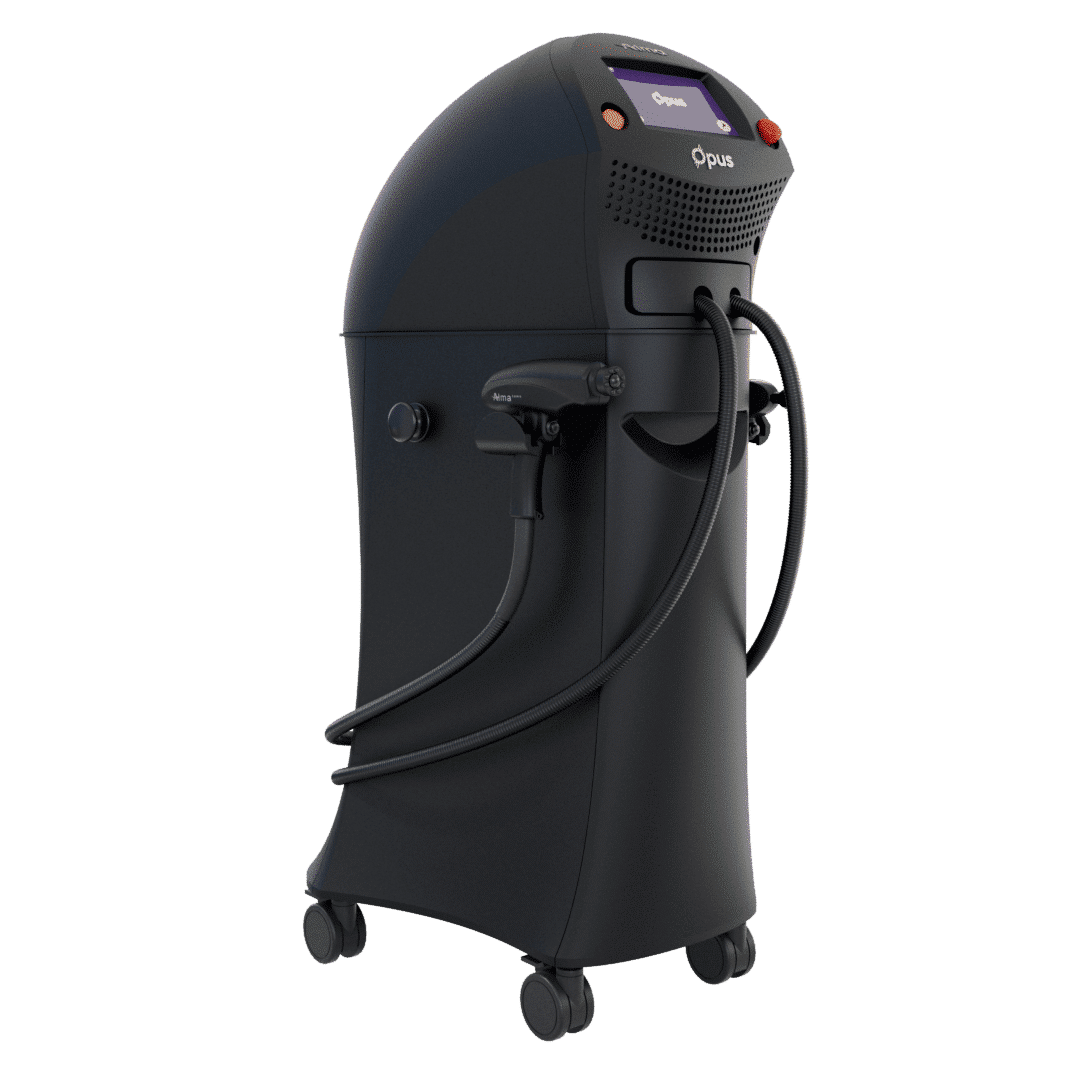
Alma Opus
Two Approaches to Resurfacing
on One Platform


Fractional plasma resurfacing and RF skin tightening

Opus desktop header2 darkAlma Opus plasma radiofrequency platform

Alma Opus The Opportunity You’ve Been Waiting For

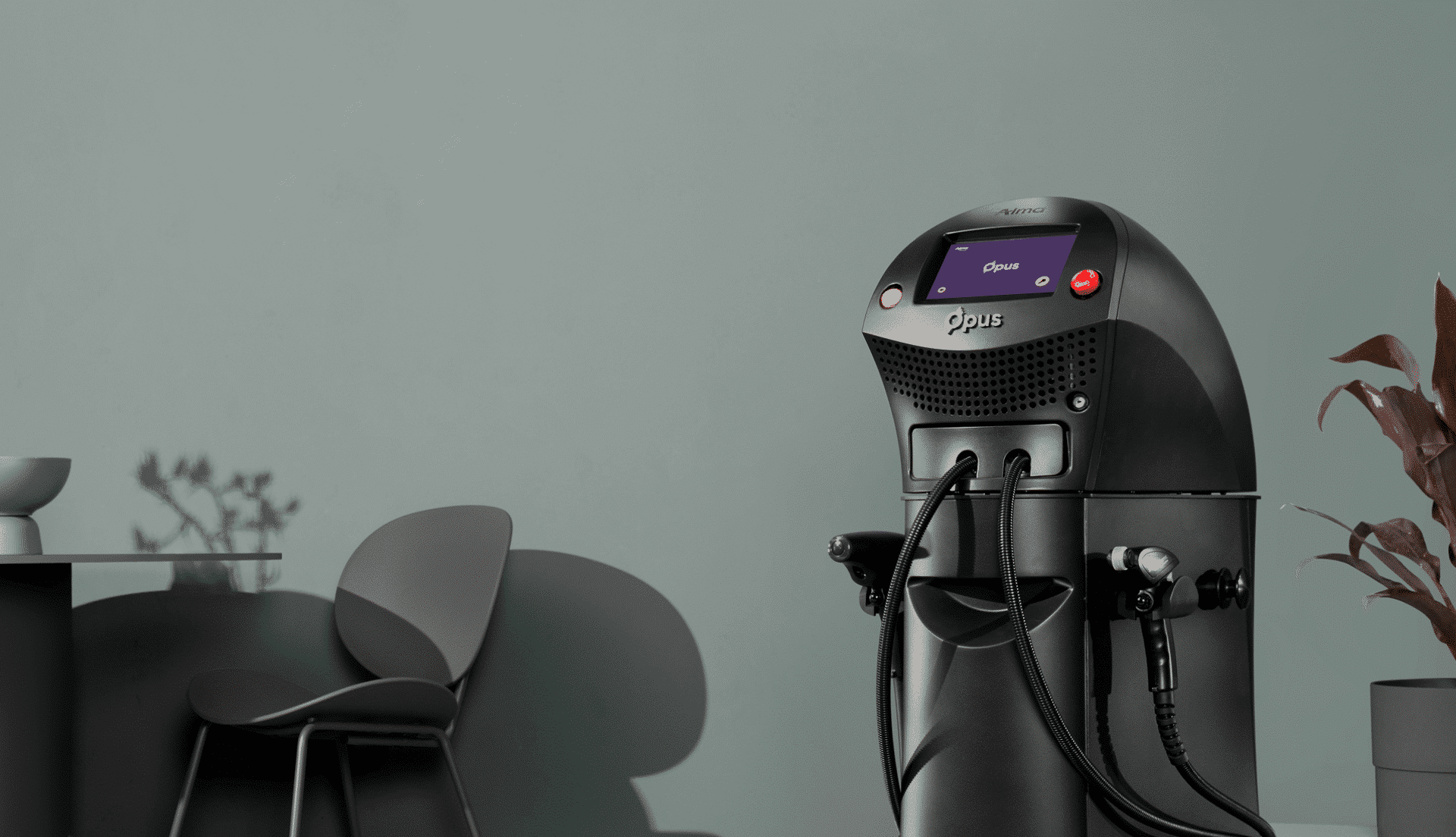
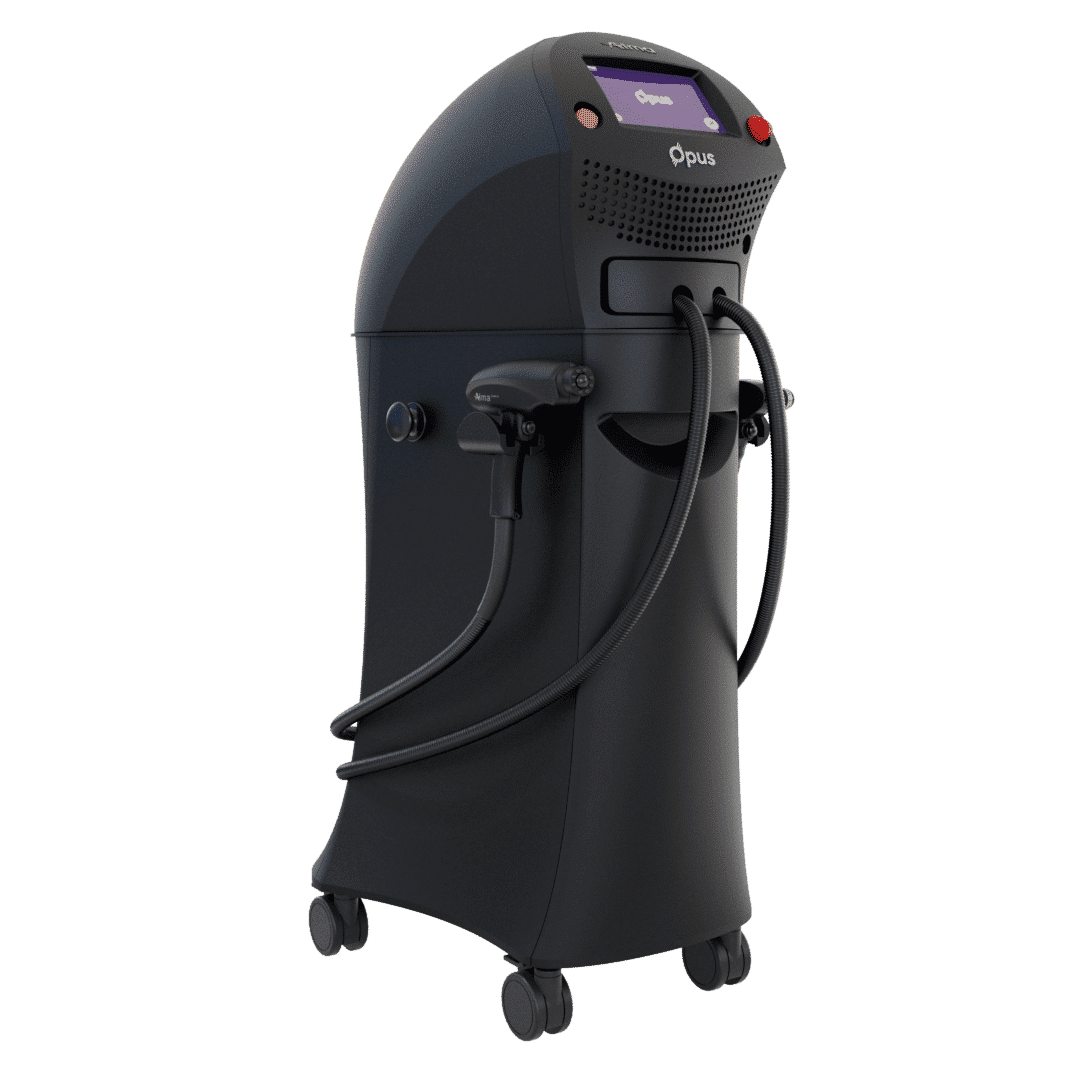
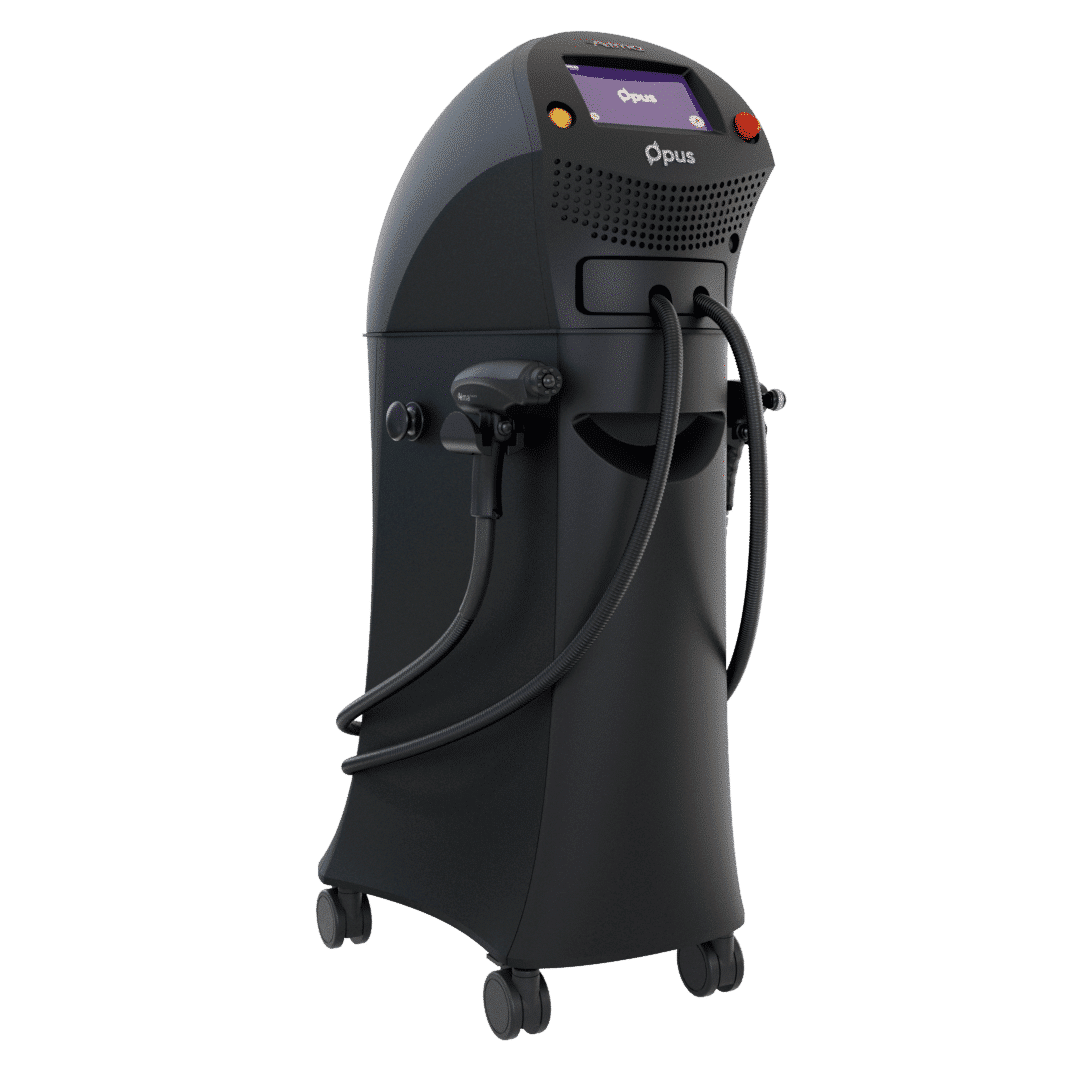
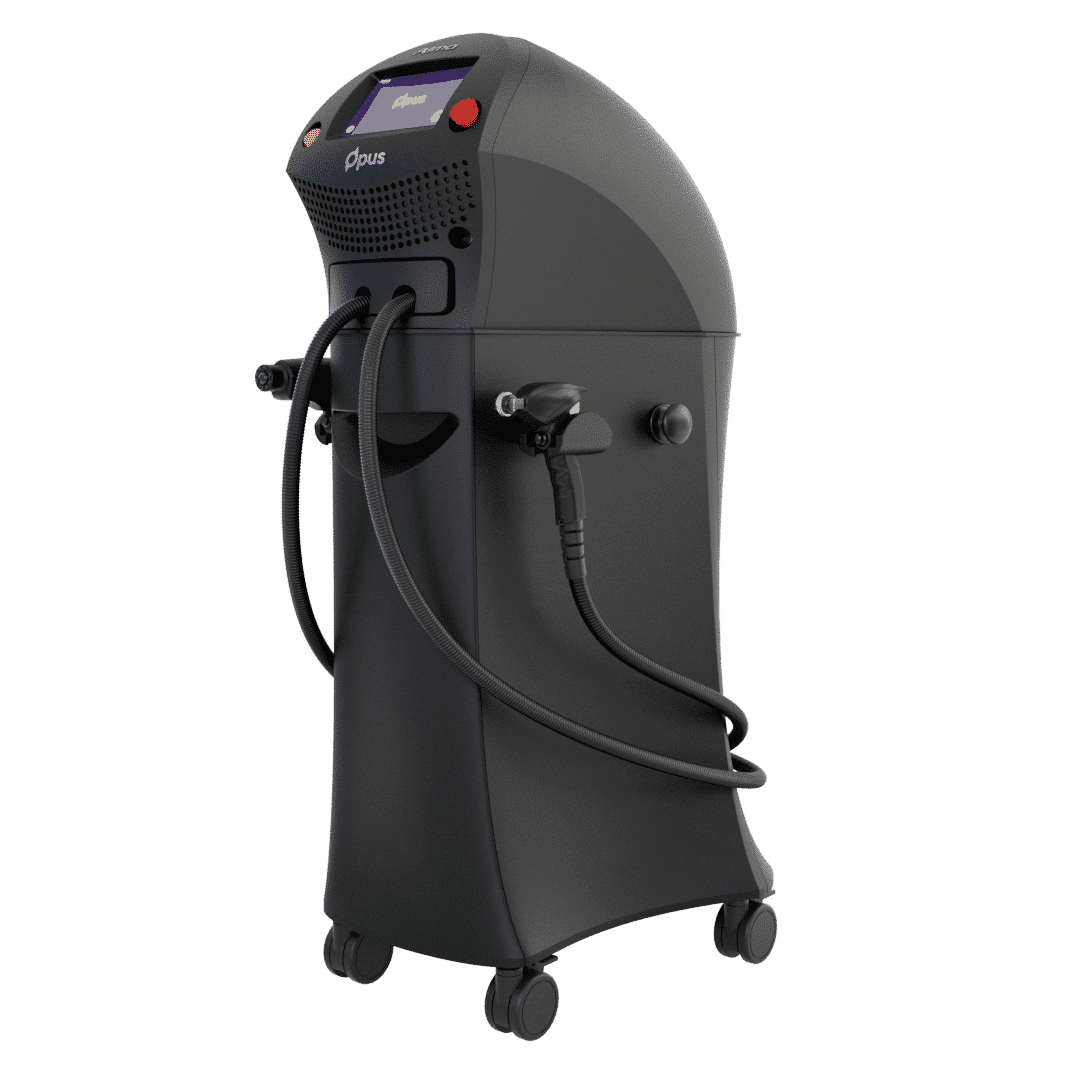
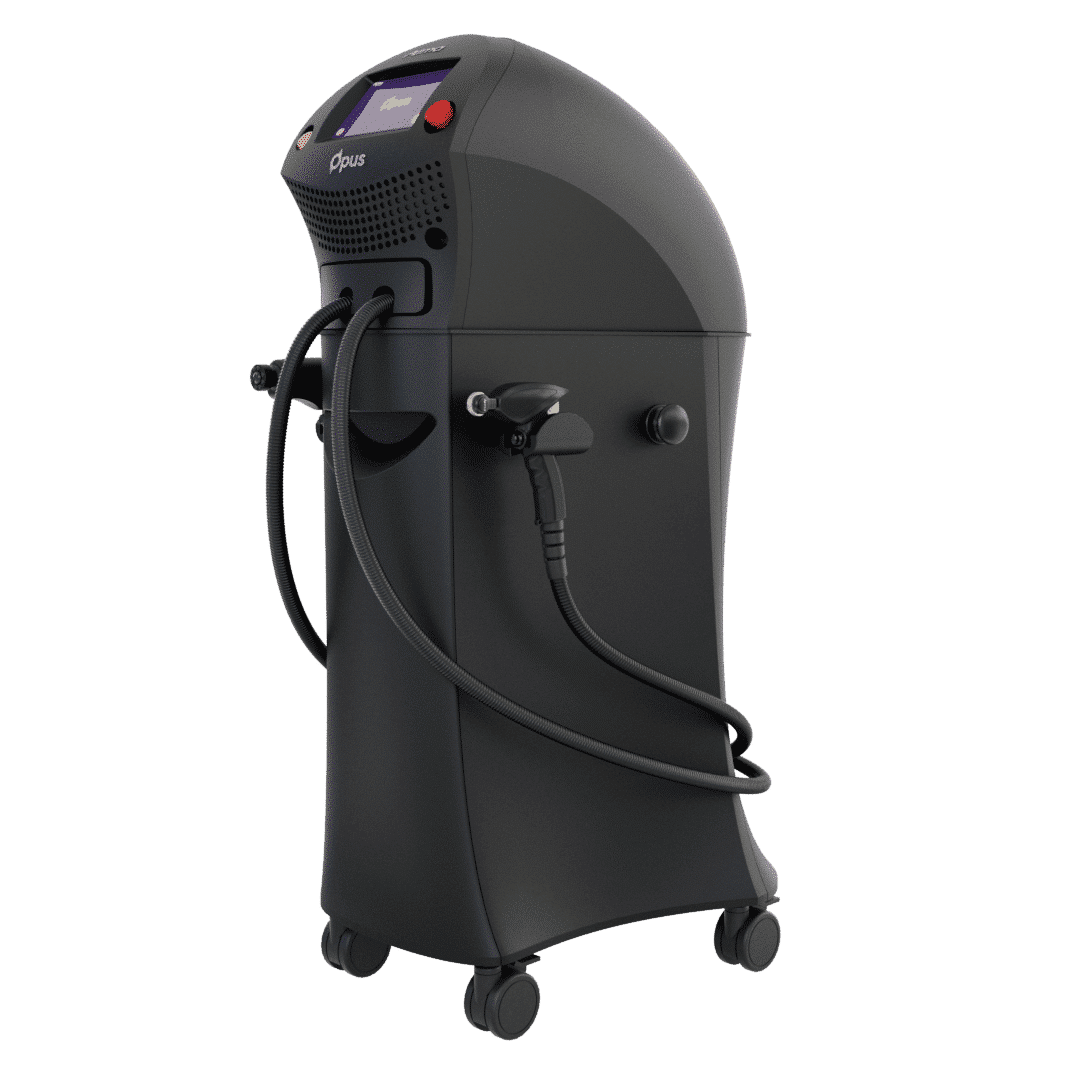
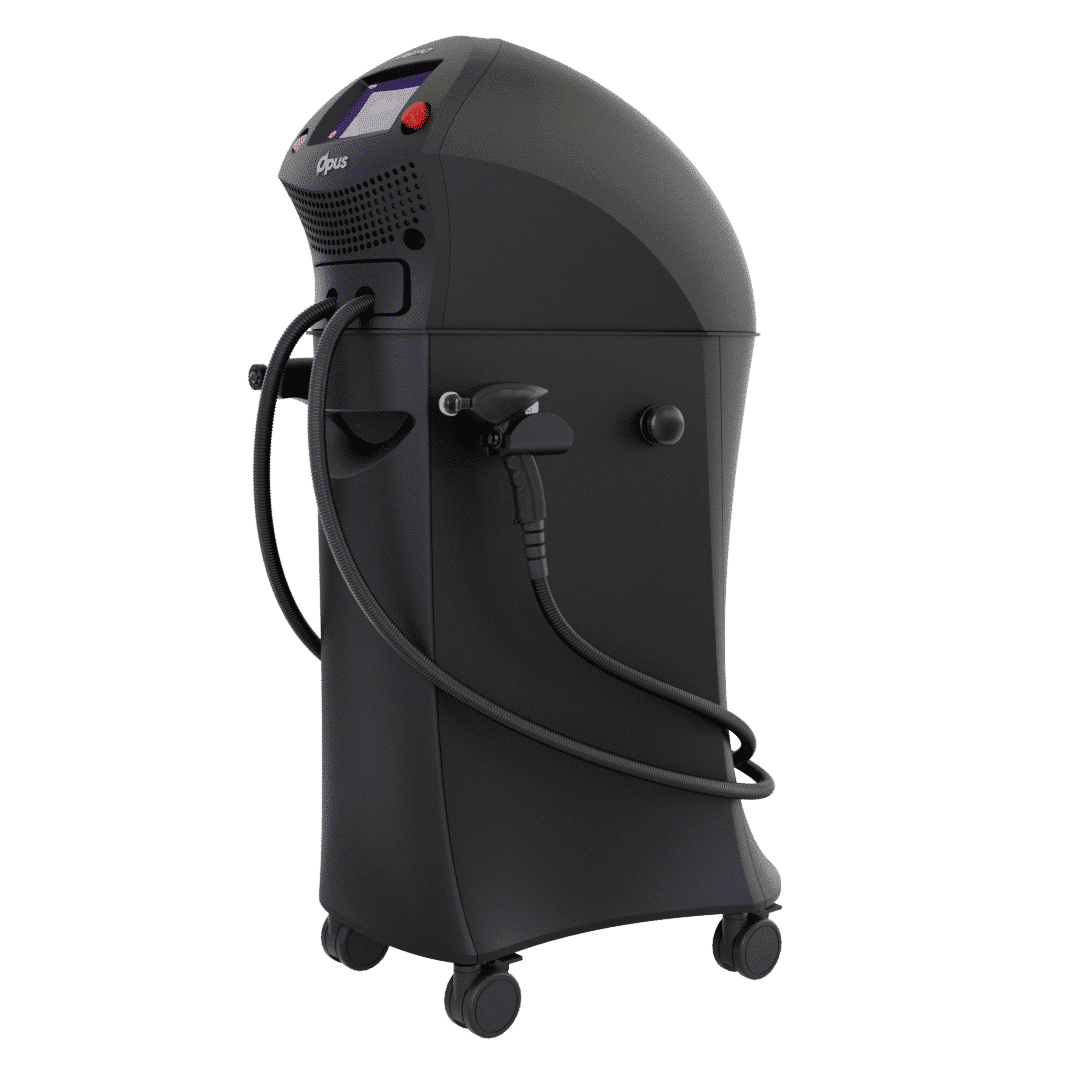
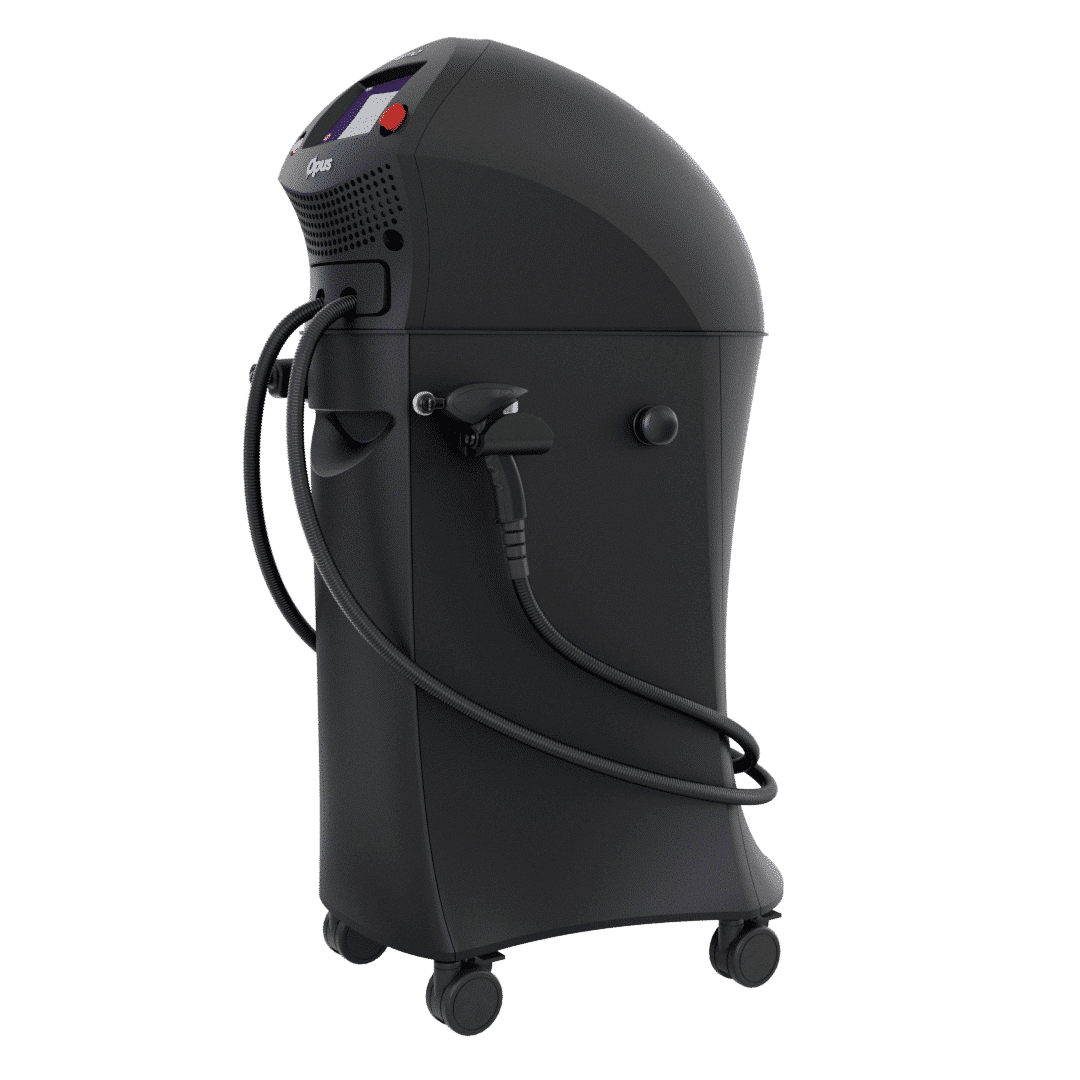
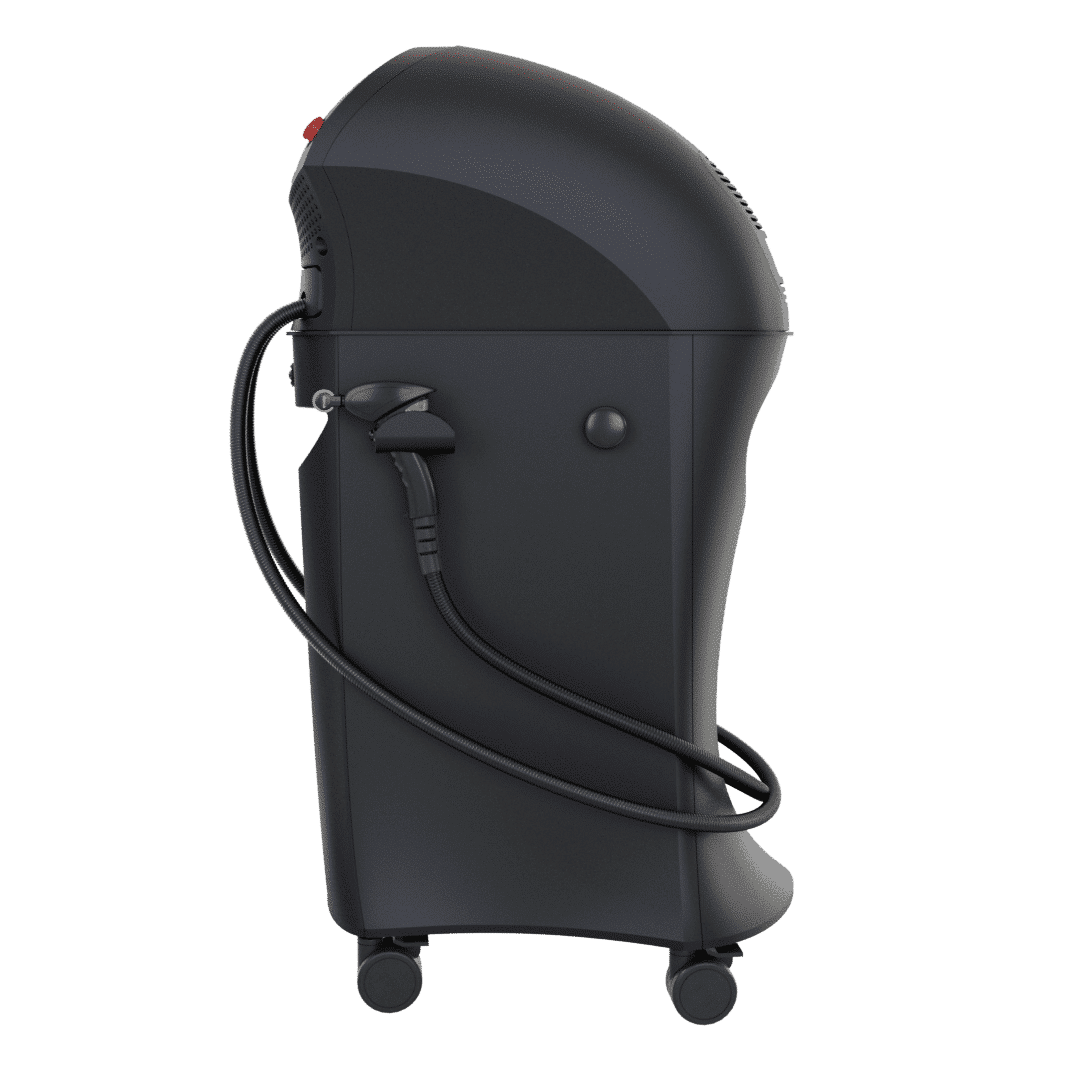
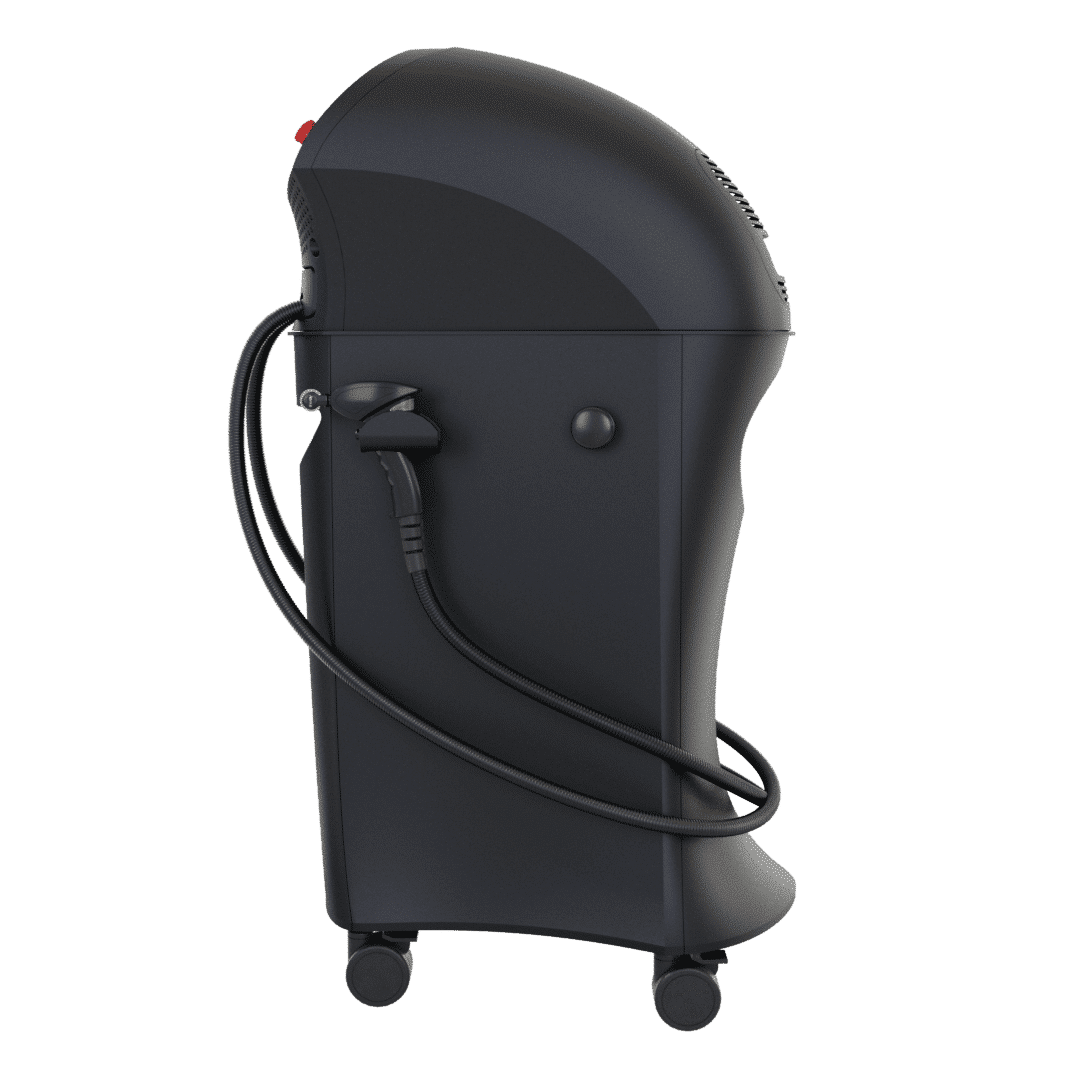
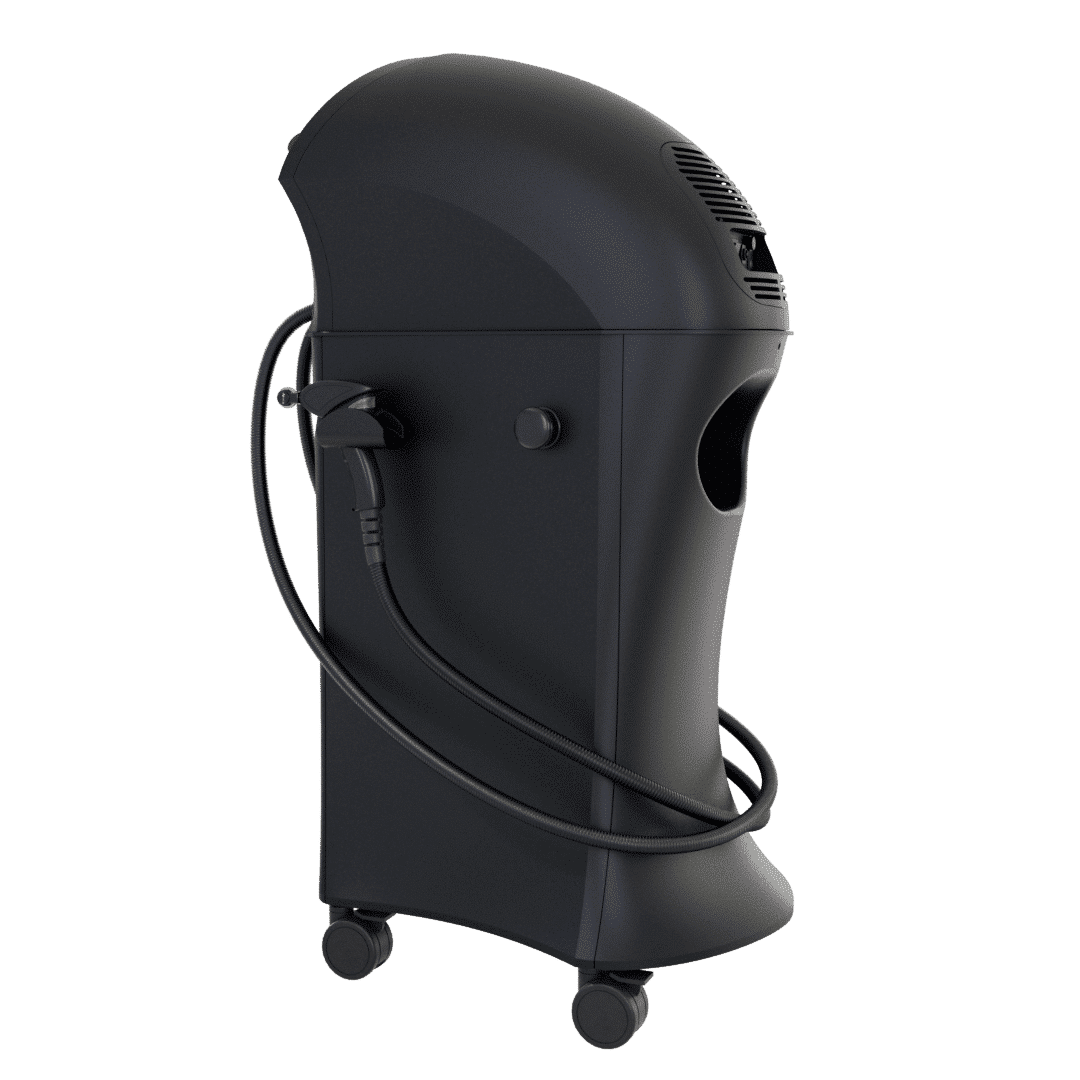
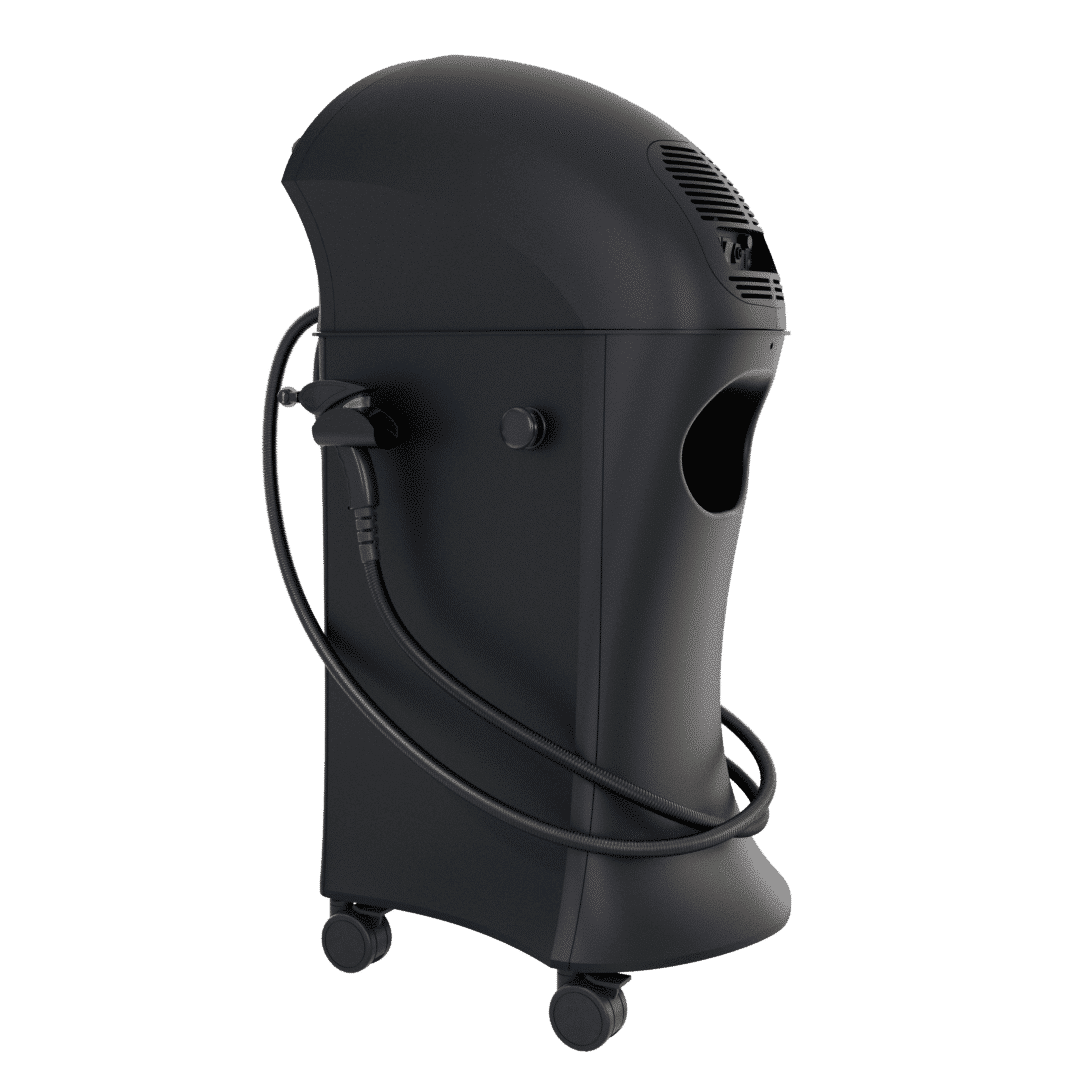
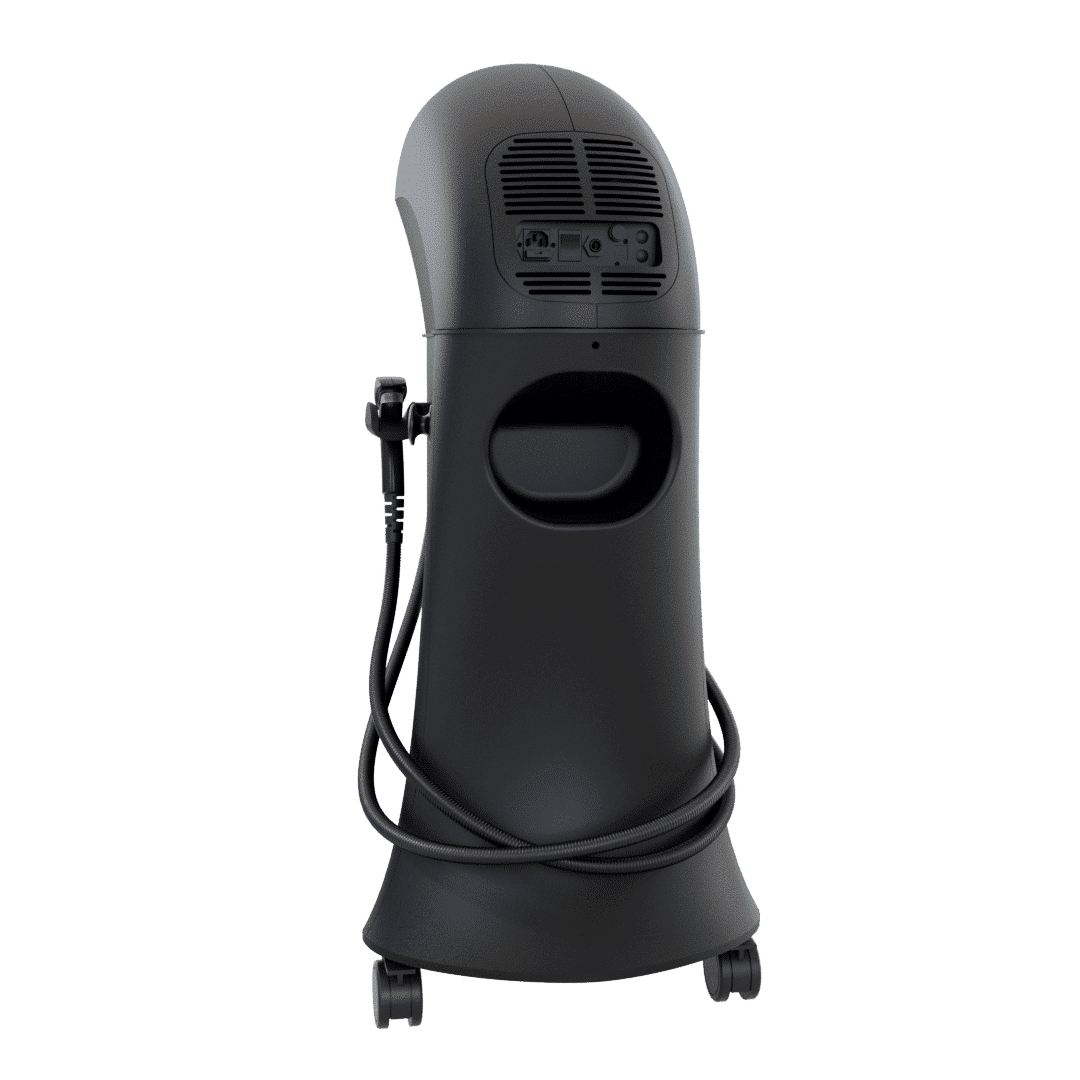
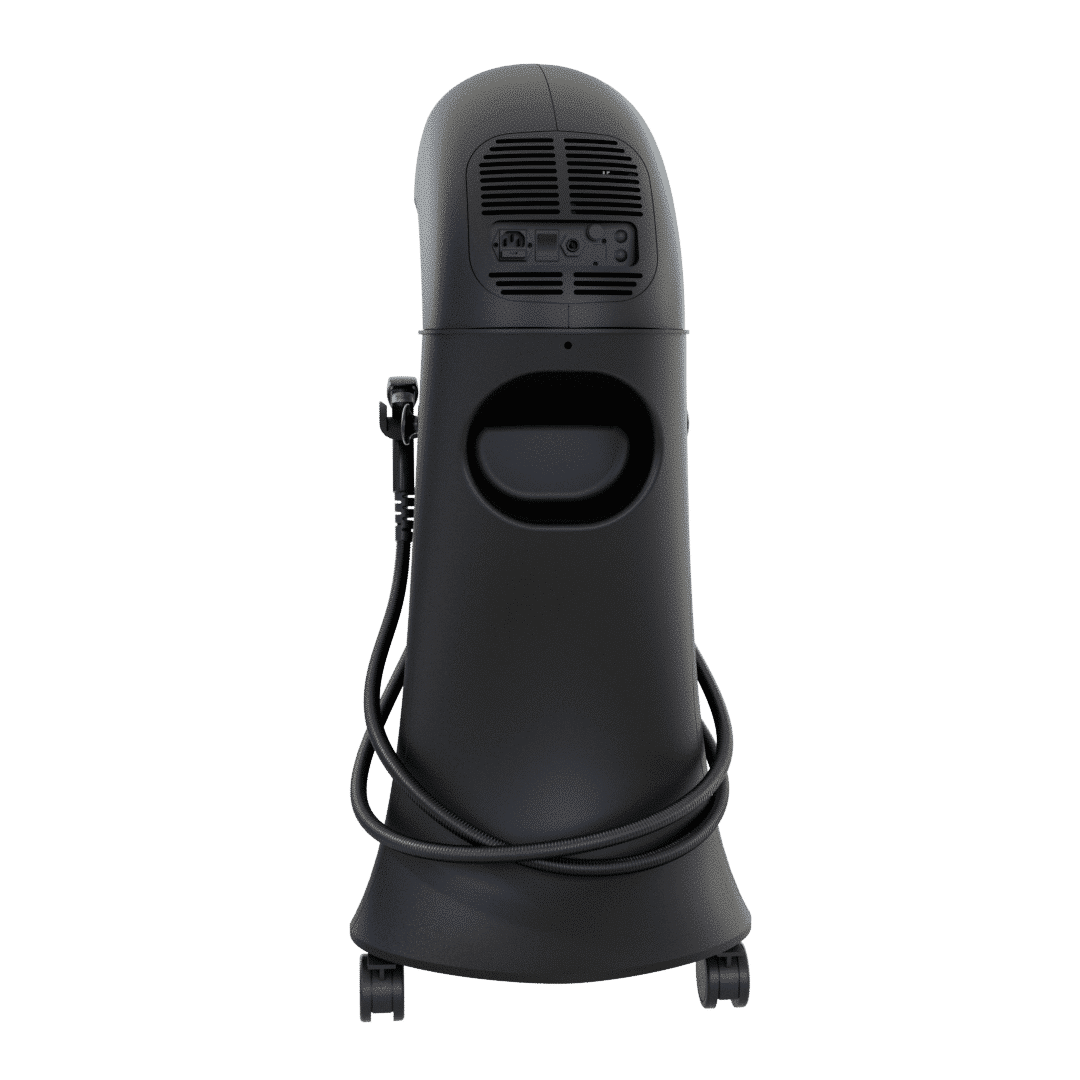
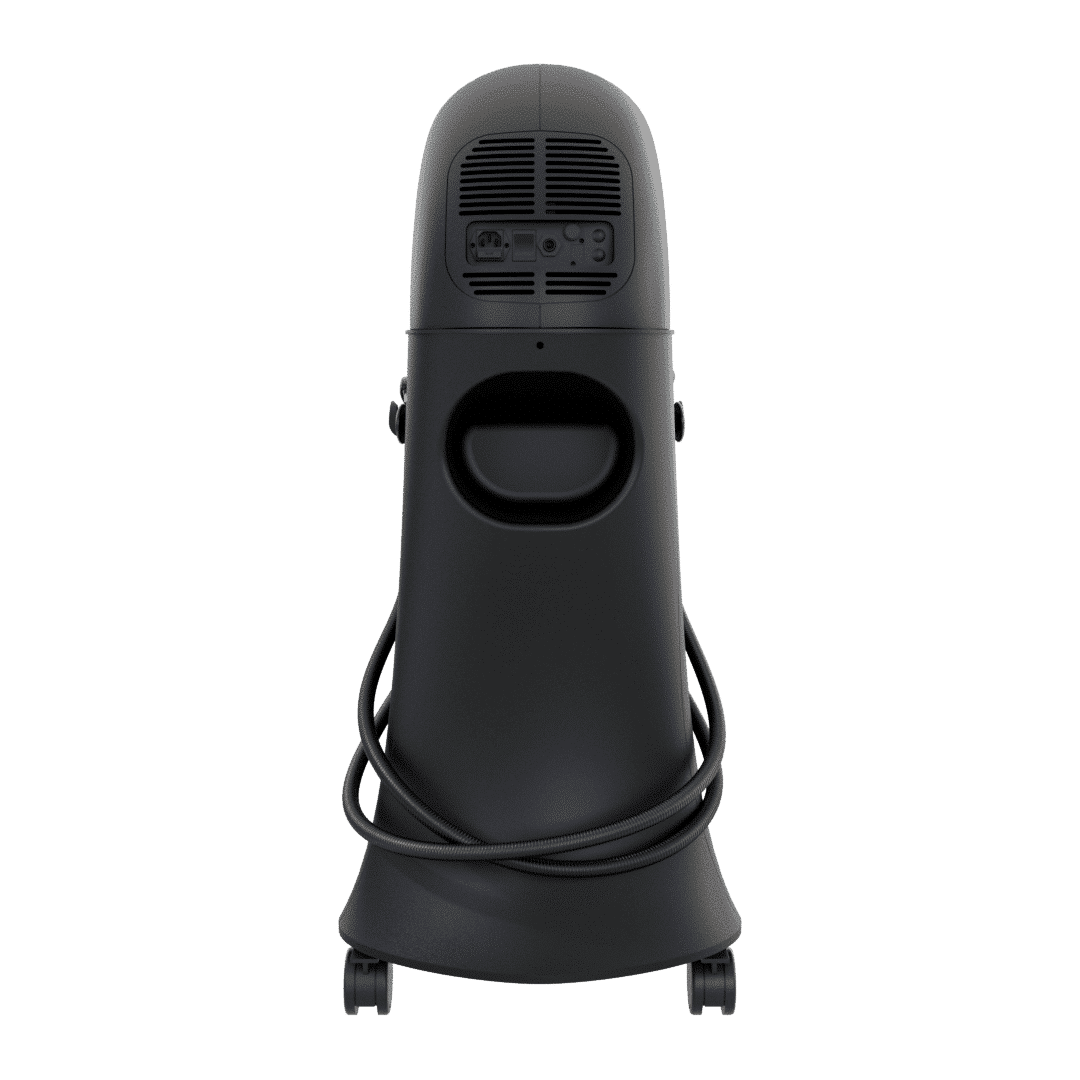
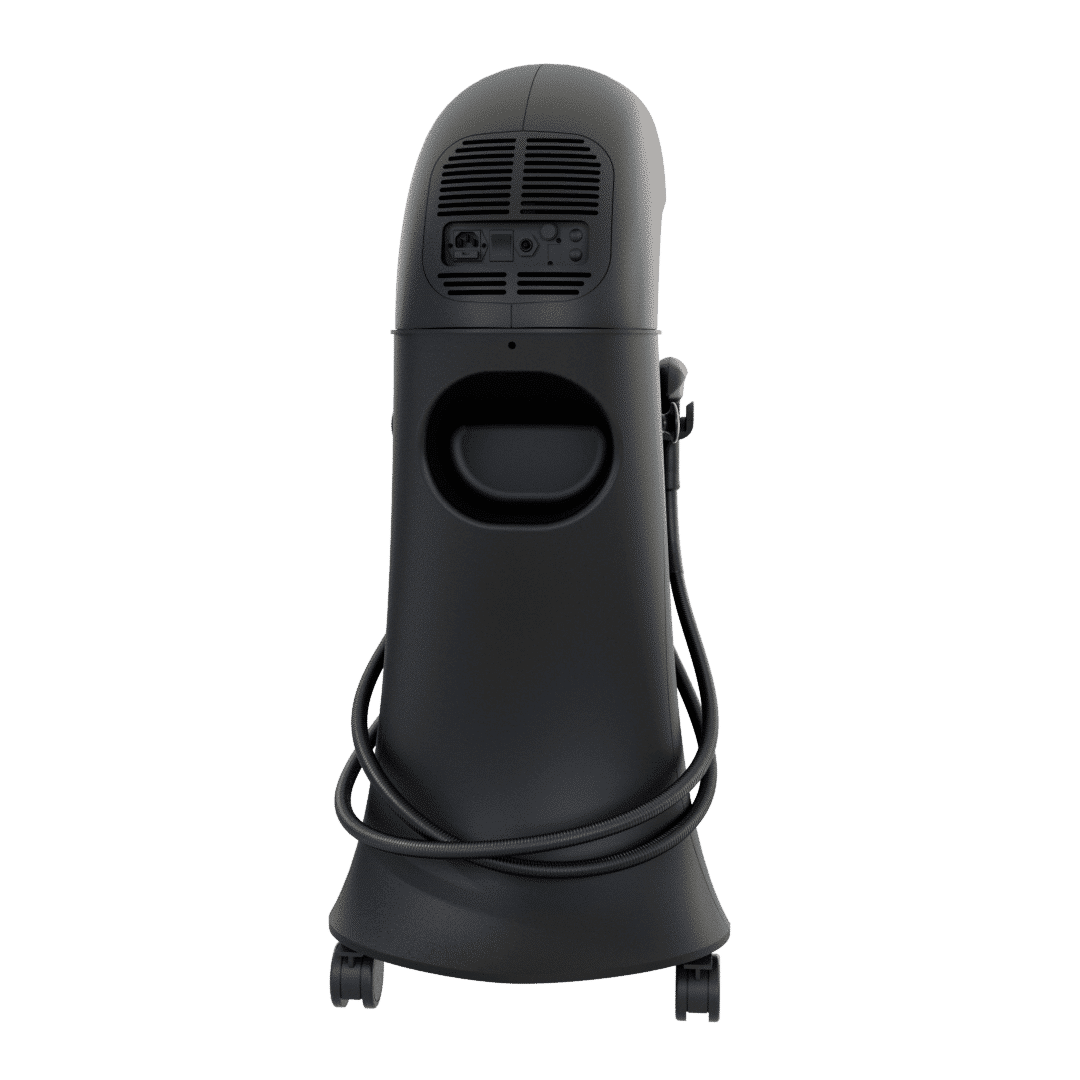
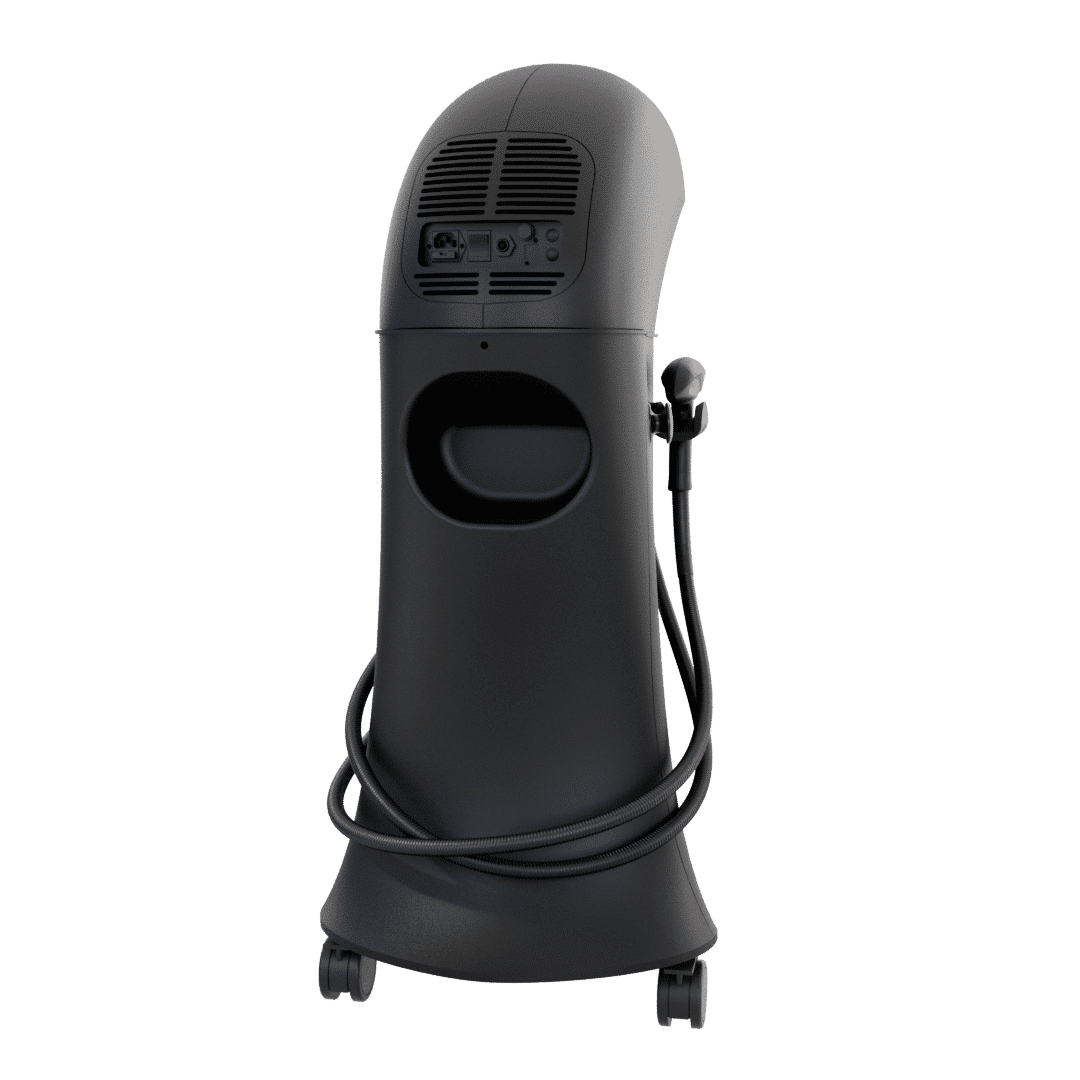
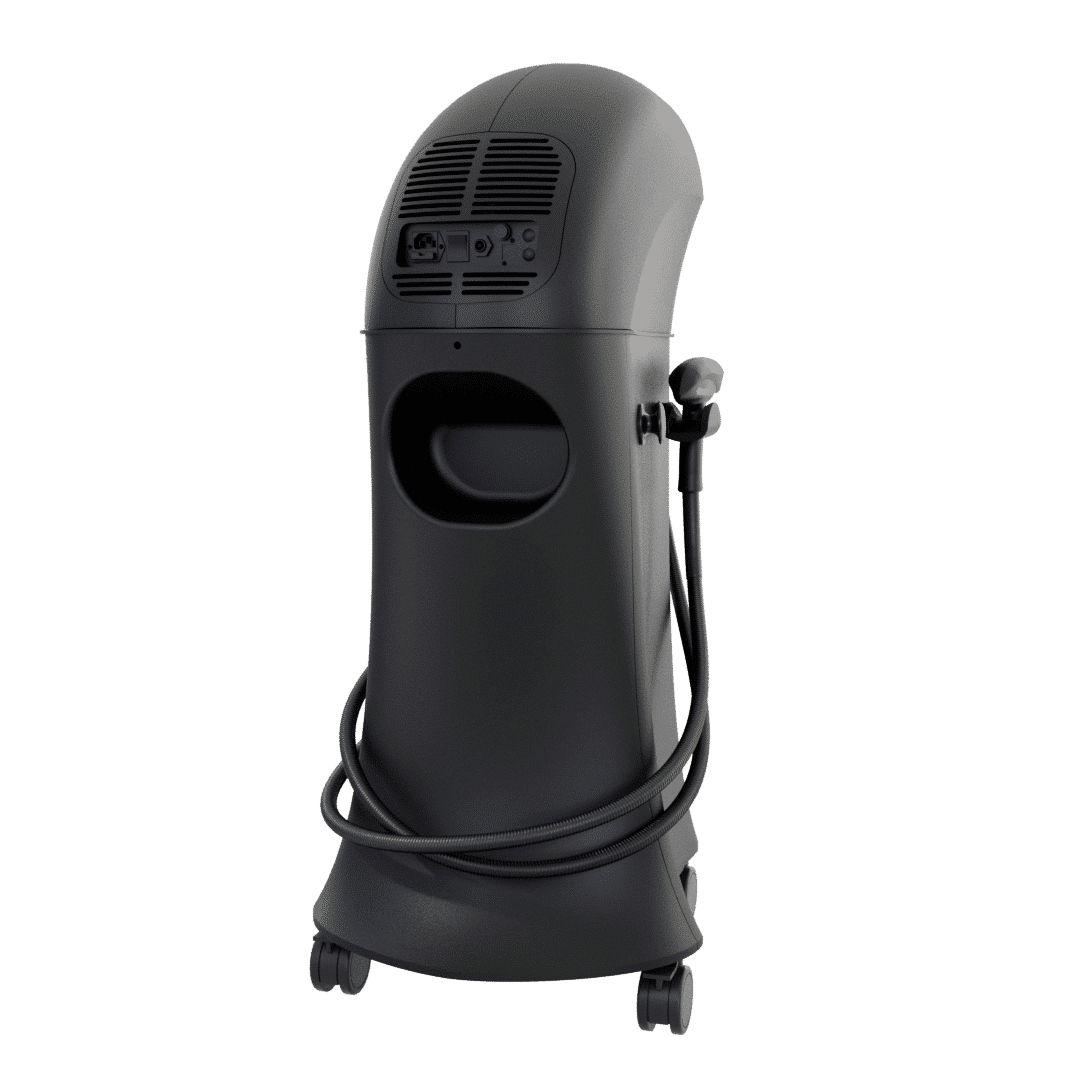
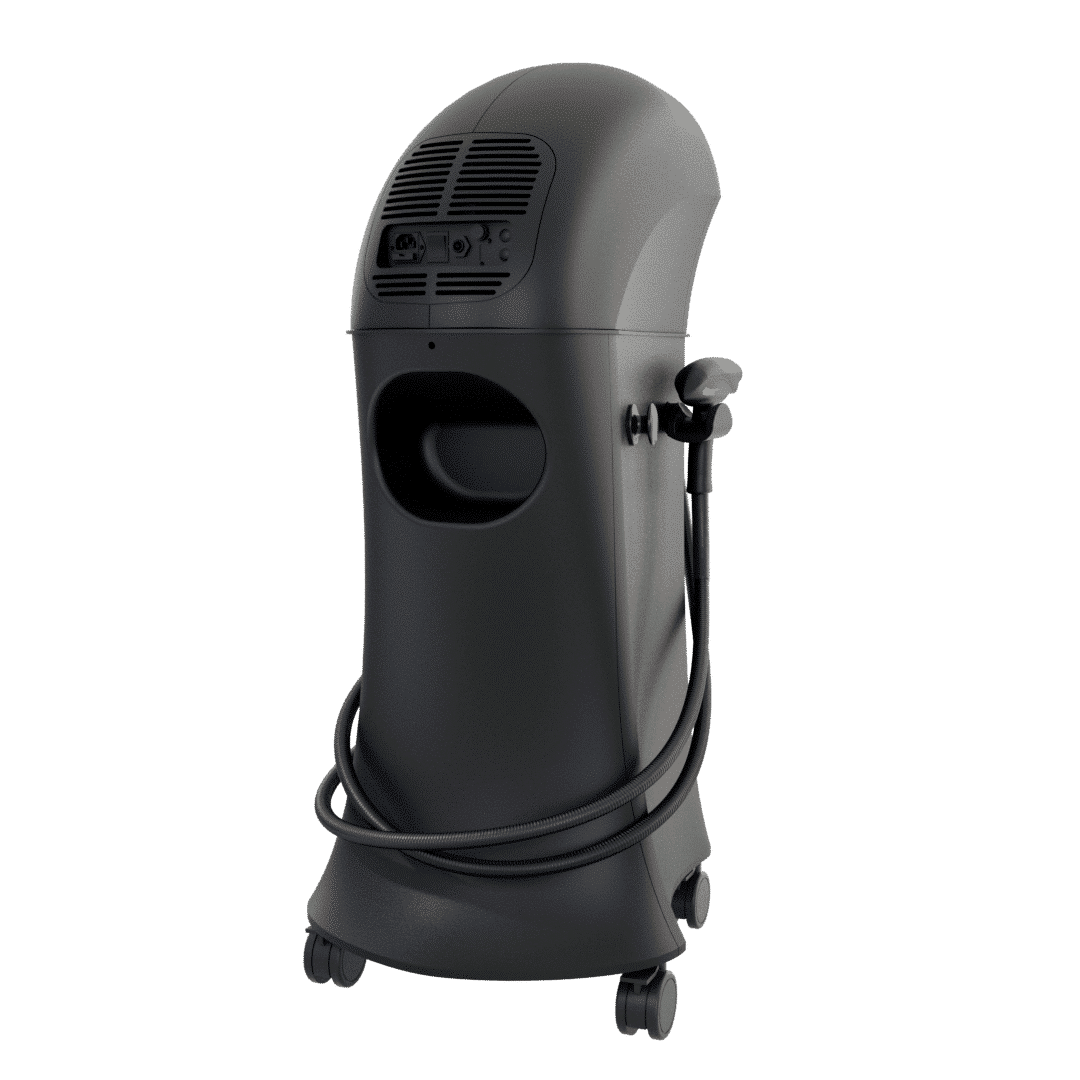
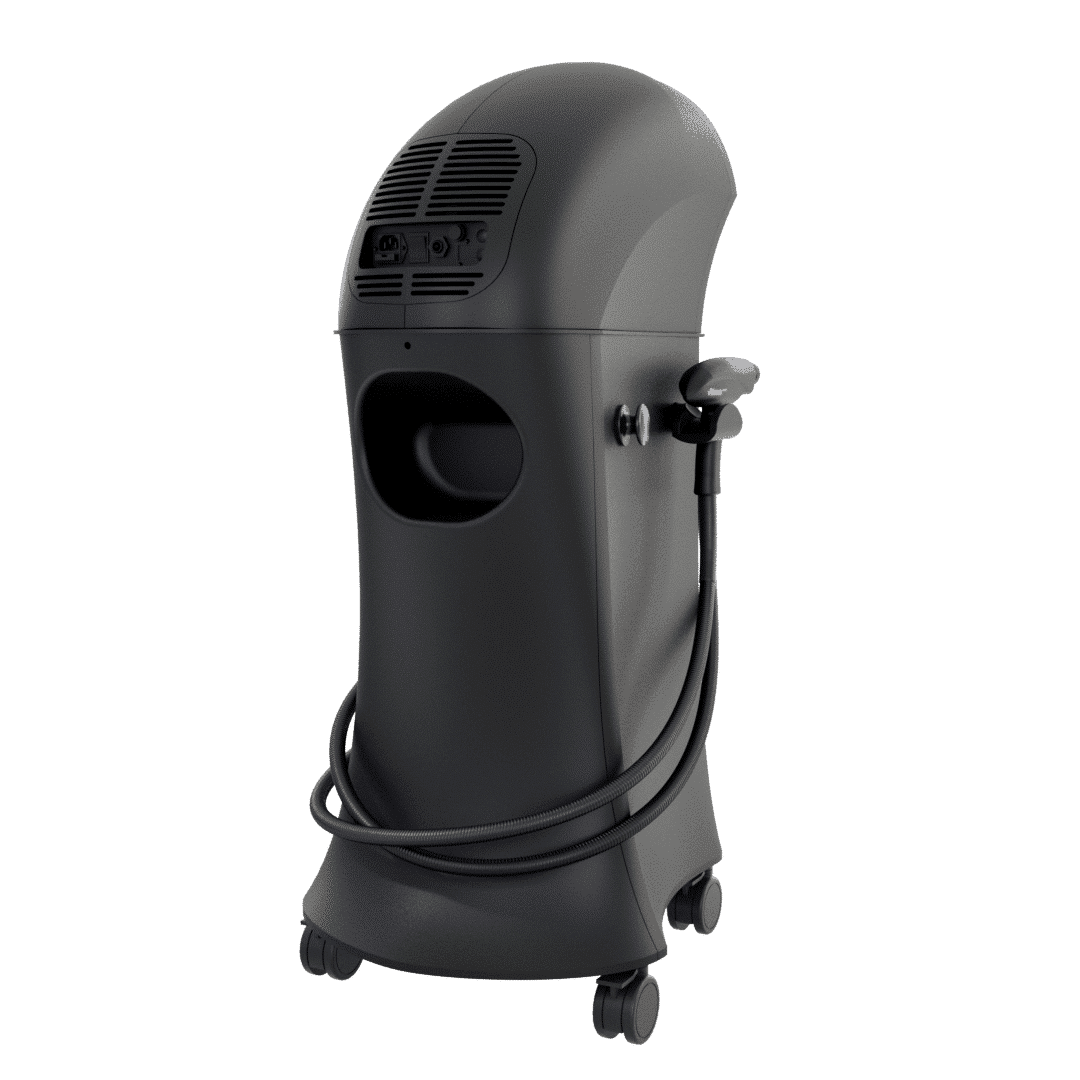
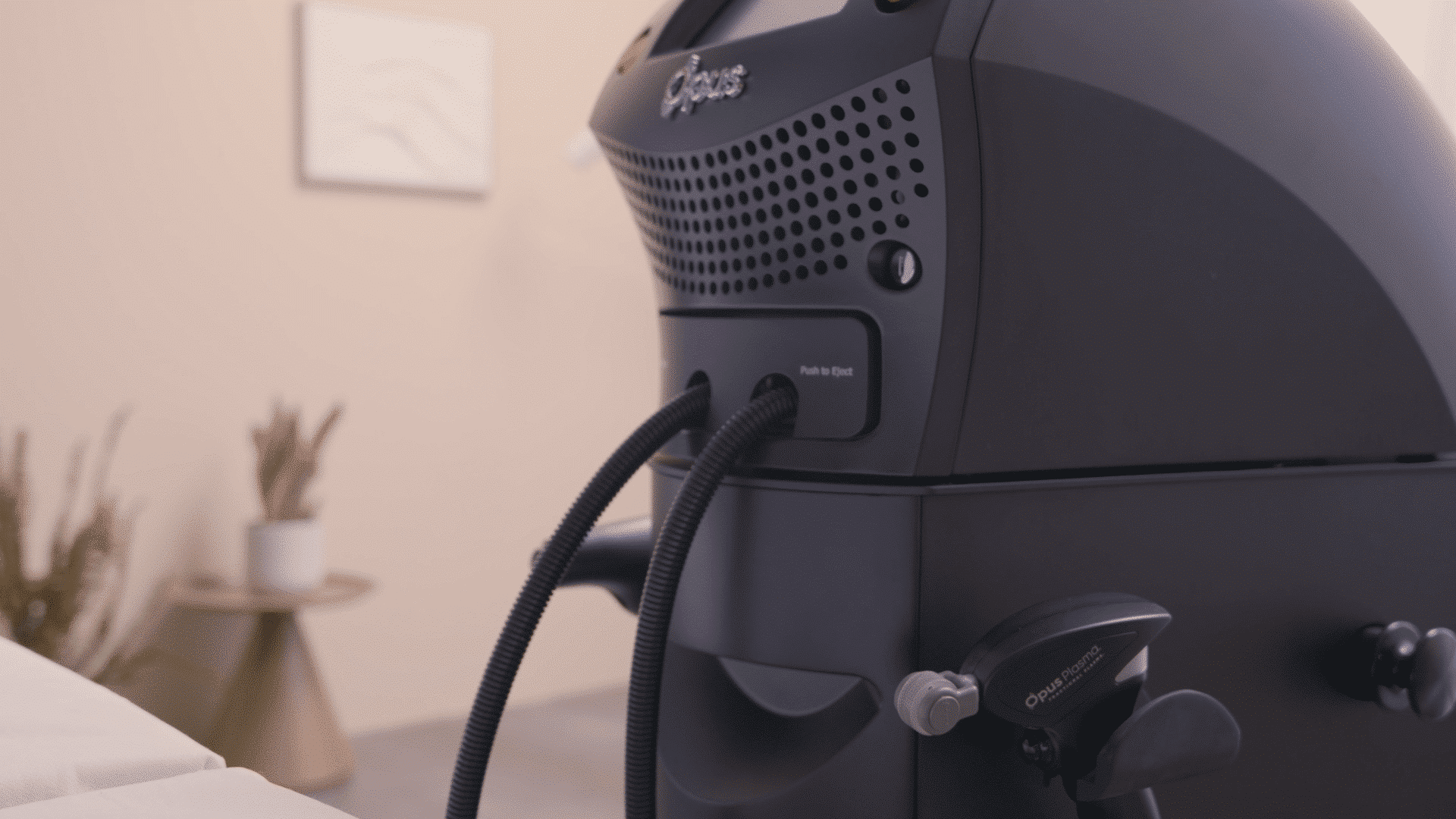
Opus™ is a radiofrequency platform for skin tightening and resurfacing. It combines 40.68 MHz unipolar RF with fractional RF plasma technology, so treatments can be tailored to a wide range of skin concerns.

Opus desktop header2 darkAlma Opus plasma radiofrequency platform

Alma Opus
Designed Around Patients
and Practices


  • Treatment Category

    Skin Resurfacing, Skin Tightening, Facial Contouring, Scars, Stretch Marks

  • Available applicators

    2

  • Downtime

    Minimal

  • Skin Type

    I-VI

Tailored Treatments

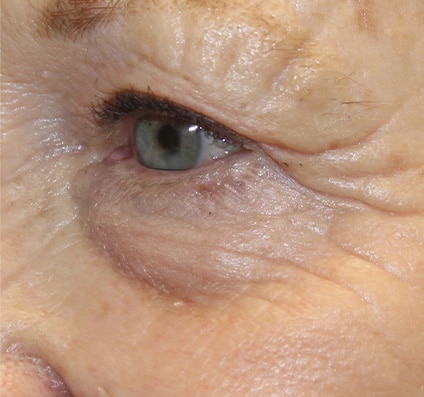
Opus Plasma lets practitioners vary the balance between surface ablation and dermal heating, so deep and superficial approaches can be combined in a treatment plan. The device includes two applicators with multiple tips for challenging areas such as the periorbital region.

Alma Opus: Tailored Treatments
plasma gif

Water-Targeted Technology

Alma Opus™ can be used on the face, neck and décolleté, including skin that has thinned with age. Its target chromophore is water rather than melanin, and suitability for each patient is assessed by the treating practitioner.

Opus highlights

Fractional Plasma

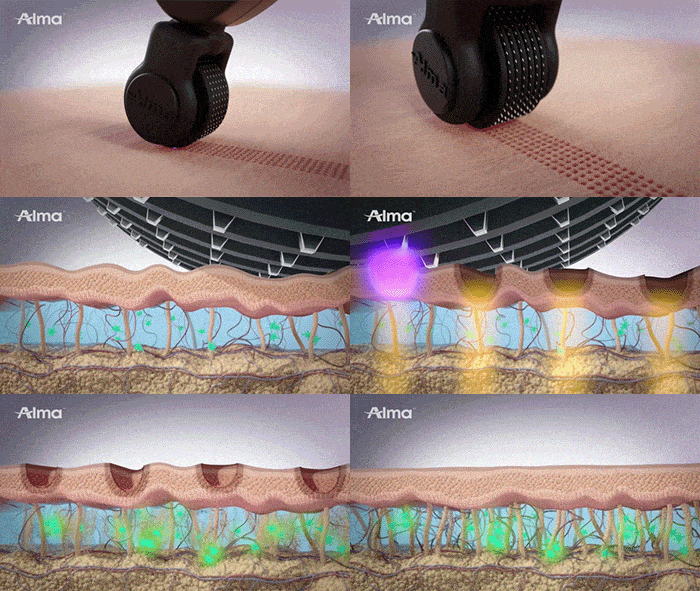
The Opus Plasma applicator features a roller tip with small electrodes that release RF energy near the skin’s surface, creating plasma. The resulting micro-sparks remove a thin layer of skin and create small channels with surrounding dermal coagulation.

Alma Opus: Non-Invasive
See how Opus fits your clinic
Book a demo now

Plasma and RF technologies

  • opus
    Patented fractional RF technology provides skin resurfacing by both ablating and heating the skin, treating the target area while leaving surrounding tissue intact, with control over the ablation effect.
  • RF - Opus
    The 40.68 MHz frequency of Alma’s proprietary AlmaWave technology delivers deep, homogeneous dielectric heating designed to support collagen remodelling.

Relevant Applicators

Alma Opus: what clinics ask before they buy

Alma Opus is a plasma and radiofrequency resurfacing platform, not a laser. It offers two approaches on one system: a 40.68 MHz unipolar RF applicator for non-ablative heating, and fractional plasma RF for patients who accept a few days of recovery for a stronger resurfacing effect. Recovery varies with the approach and the patient.

Opus plasma: how plasma resurfacing works

For plasma resurfacing, the Opus Plasma roller tip releases RF energy near the skin surface. The RF ionises air into micro-sparks that create fractional micro-channels with dermal coagulation around them, while surrounding tissue is left intact.

Fractional RF without needles

It delivers fractional RF through plasma rather than through needles, so it is not RF microneedling. The two technologies create different tissue effects and should not be treated as equivalent.

RF resurfacing compared with a CO2 laser

RF resurfacing and CO2 laser resurfacing are different tools. Deep acne scarring and heavy photodamage are typically CO2 territory, and Alma supplies both. For texture, fine lines, mild laxity and general rejuvenation, the platform gives clinics a plasma-based option to plan alongside laser, depending on the patient.

Why clinics use Alma Opus around the eyes

Because it delivers plasma and radiofrequency rather than laser light, periorbital treatment follows a different workflow from laser resurfacing, and practitioners plan it around the patient and the area being treated.

What it treats

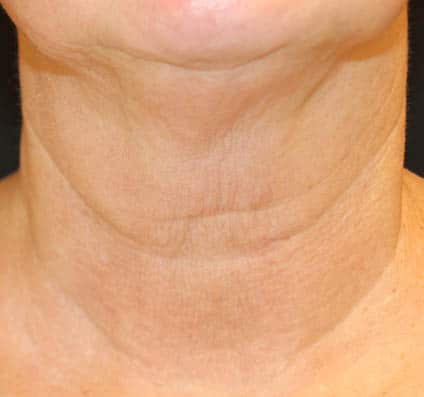
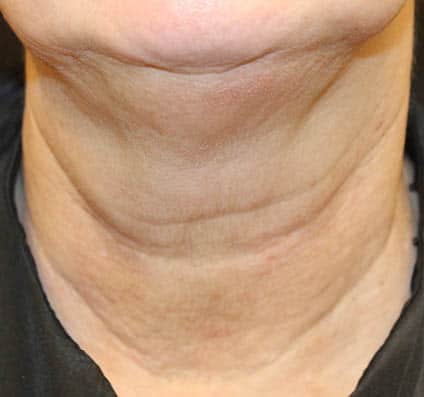
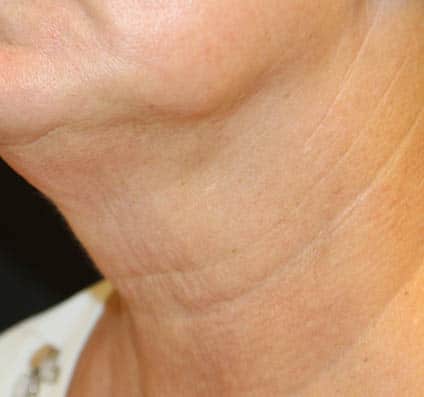
The platform is designed for full-face rejuvenation and resurfacing, skin laxity and fine lines, periorbital and eyelid laxity, and body indications including stretch marks. Face and body treatments run from the same platform.

Who operates it

The typical buyer is a doctor, and doctor-led clinics are where it tends to land first. It is not a doctor-only device: with training and experience, treatment can be delegated to other clinical staff over time. Operator rules vary by state and by device class, and Alma Lasers Australia walks each clinic through what applies before installation.

Buying from the manufacturer

Alma Lasers Australia is Alma’s own Australian subsidiary, covering New Zealand from Sydney, so training, protocol support, service and parts come from the team that sold you the platform. We do not publish list prices, because the configuration depends on which applicators your clinic will use. Bring your treatment prices and weekly bookings to a demo and we will build the numbers with you. Equipment finance is available through Medfin.

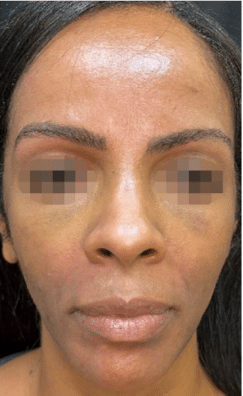
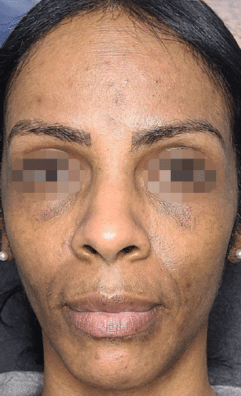
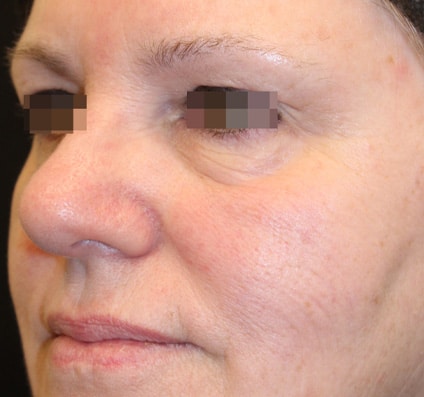
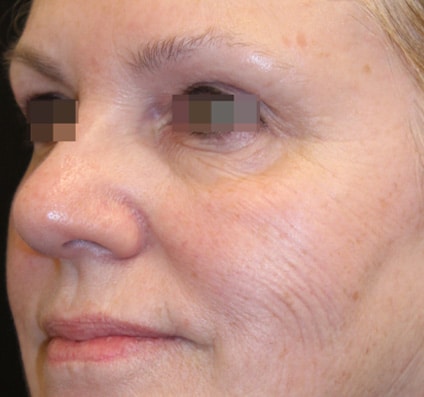
Popular Treatments B&A

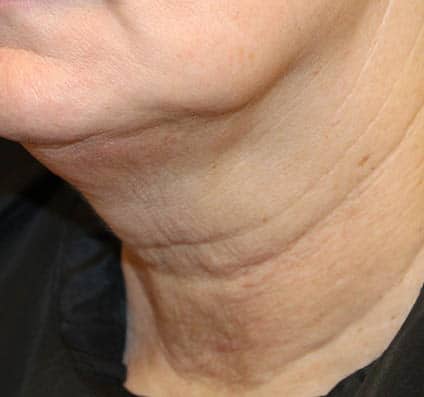
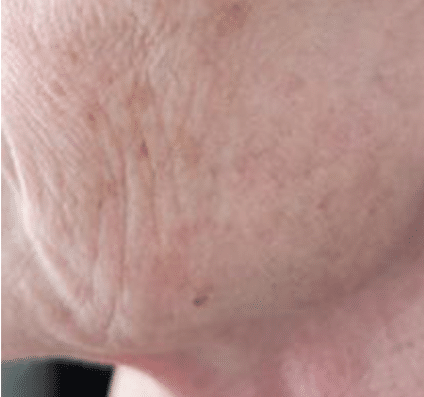
Alma Opus: Skin Tightening

Skin Tightening

Courtesy of Dr. Jeffrey Hsu, MD, FAAD | USA

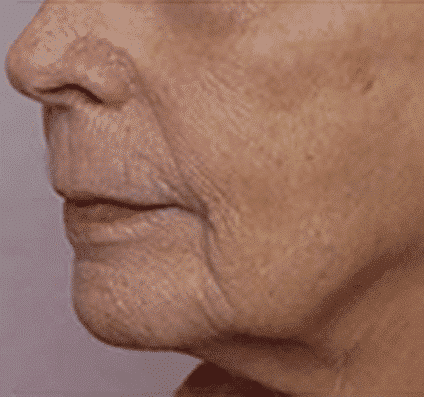
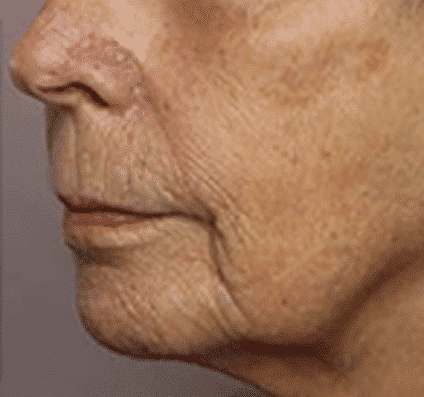
Alma Opus: Skin Tightening

Skin Tightening

Courtesy of Thomas Griffin, MD.

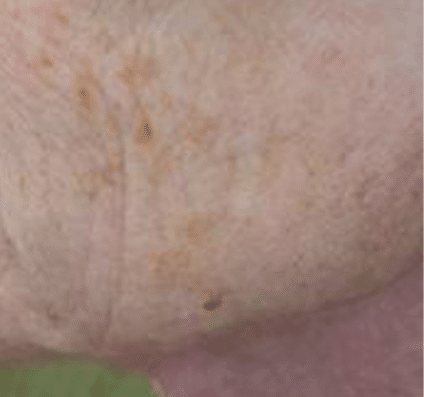
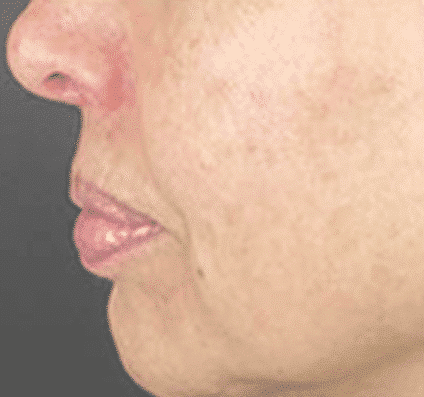
Alma Opus: Skin Tone
Accent Prime: Stretch Marks

Skin Tone

Courtesy of Rachel Marino, MSP FNP-BC | USA

After 5
Before 5

Skin Tone

Courtesy of: Andrea Ball DMD, USA

After 1
Before 1

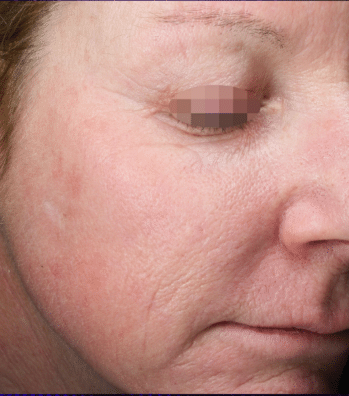
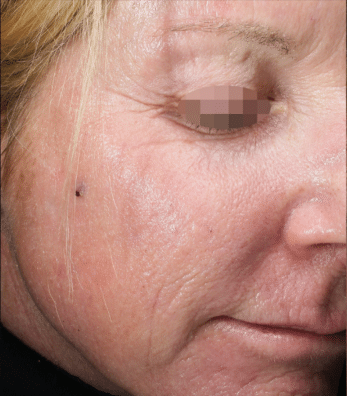
Skin tone, wrinkles and fine lines

Courtesy of: Dr Jeffrey Hsu, USA

After Microplasma
Alma Opus: Face

Face

Courtesy of Kat Lofley DNP, USA

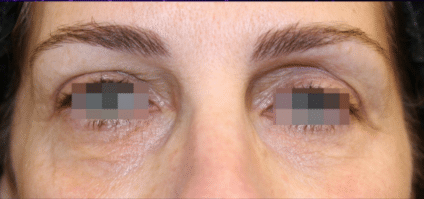
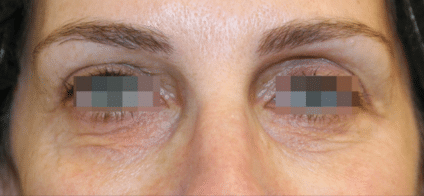
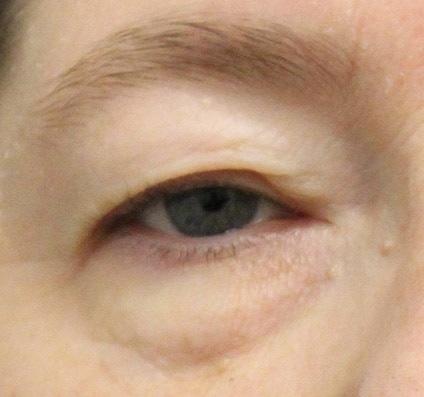
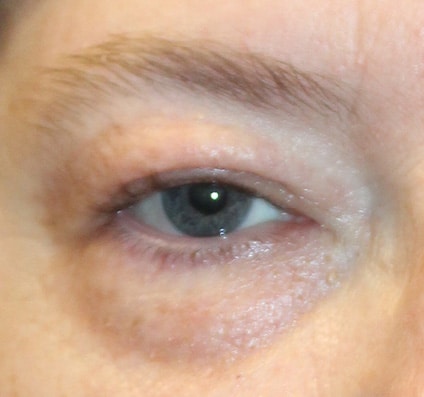
Saggy eyelids after
Saggy eyelids before

Saggy Eyelids

Courtesy of: Dr Jeffrey Hsu, USA

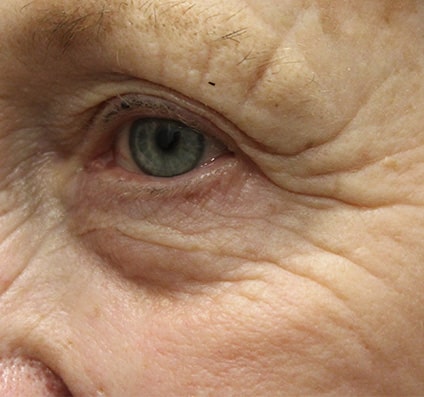
Crows feet
Crows feet

Crow’s Feet

Courtesy of Dr Jeffrey Hsu, USA

Opus Plasma_Dr Jeffrey Hsu_after
Opus Plasma_Dr Jeffrey Hsu_b

Skin Tightening

Dr Jeffrey Hsu, USA

Opus Plasma_Dr Jeffrey Hsu after
Opus Plasma_Dr Jeffrey Hsu05_ 1 b

Skin Tightening

Dr Jeffrey Hsu, USA

Alma Opus: Skin Tightening
Before and after treatment result, Alma Opus plasma radiofrequency platform; individual results vary

Skin Tightening

Courtesy of Jordan Hollsten, MD, FACS | USA

Before and after treatment result, Alma Opus plasma radiofrequency platform; individual results vary
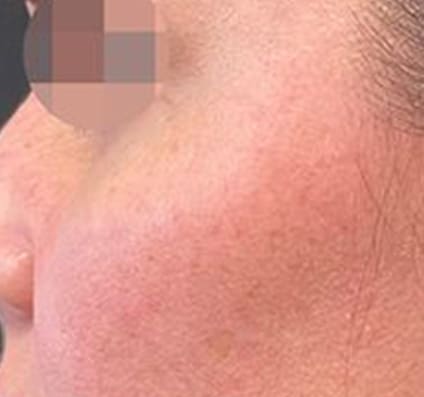
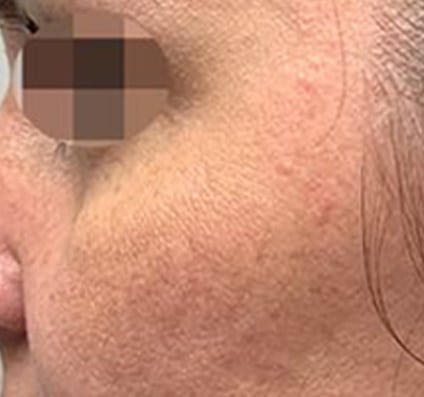
Alma Opus: Skin Resurfacing

Skin Resurfacing

Courtesy of Lynn Burford, OD | USA

Clinical evidence and running costs

Clinical evidence. Five peer-reviewed studies on fractional microplasma radiofrequency for scars, striae and pigmentation are listed on our clinical evidence page, with journal, year and first author for each paper. The full searchable library is in Clinical Resources.

Running costs. Alma Opus uses treatment tips, priced per tip and stated on your quote. There are no pulse cards, cartridges or proprietary gels. How running costs compare across aesthetic devices.

Genuine Alma. Systems supplied by Alma Lasers Australia carry an Alma serial number registered with Alma Lasers, and come with manufacturer warranty and local clinical training. How to tell a genuine Alma device from a lookalike. More questions from clinic owners are answered in our Q&A for clinics.

FAQs

  • No. Opus uses plasma and radiofrequency, not laser light, and its target in the tissue is water rather than melanin.
    Suitability for each patient is assessed by the treating practitioner.

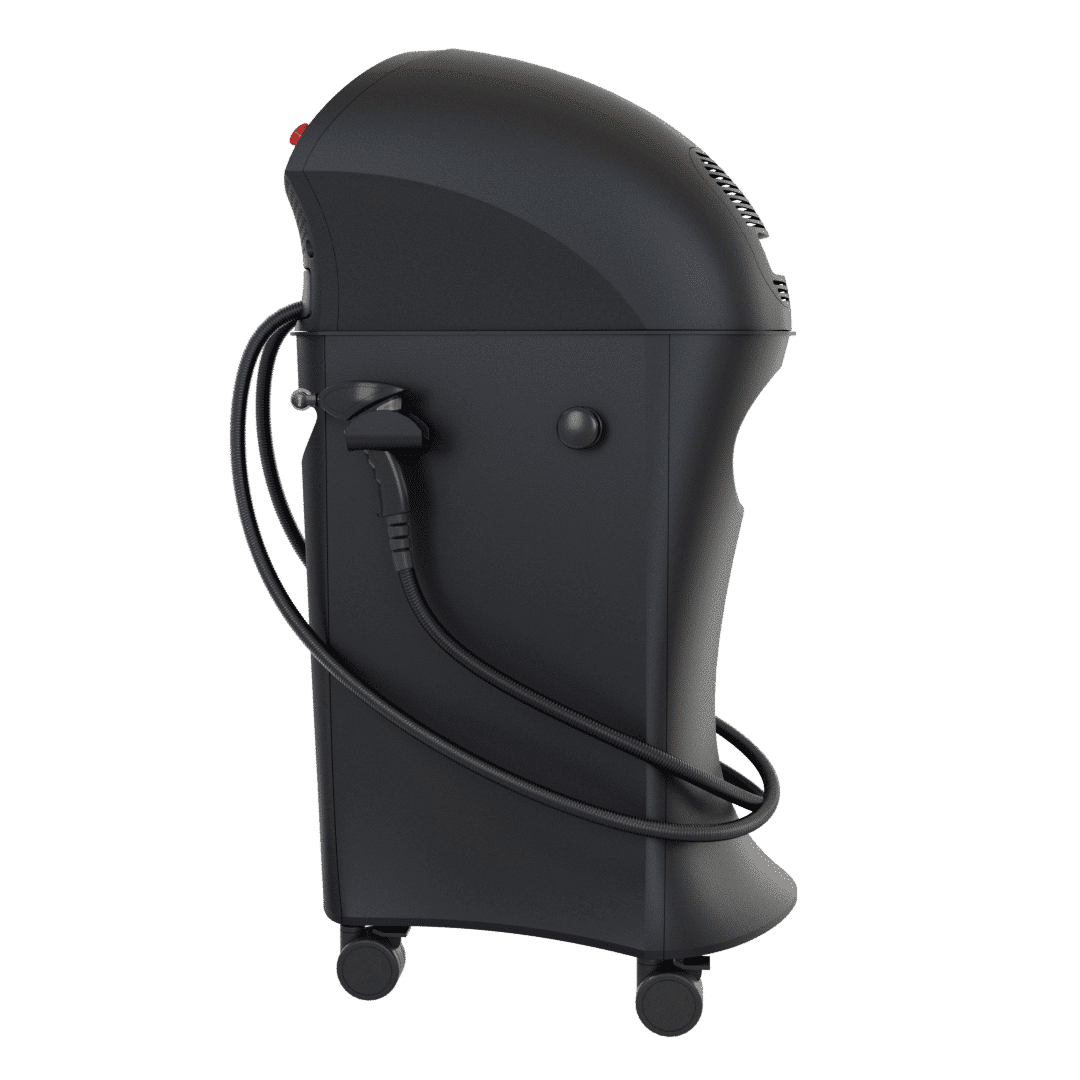
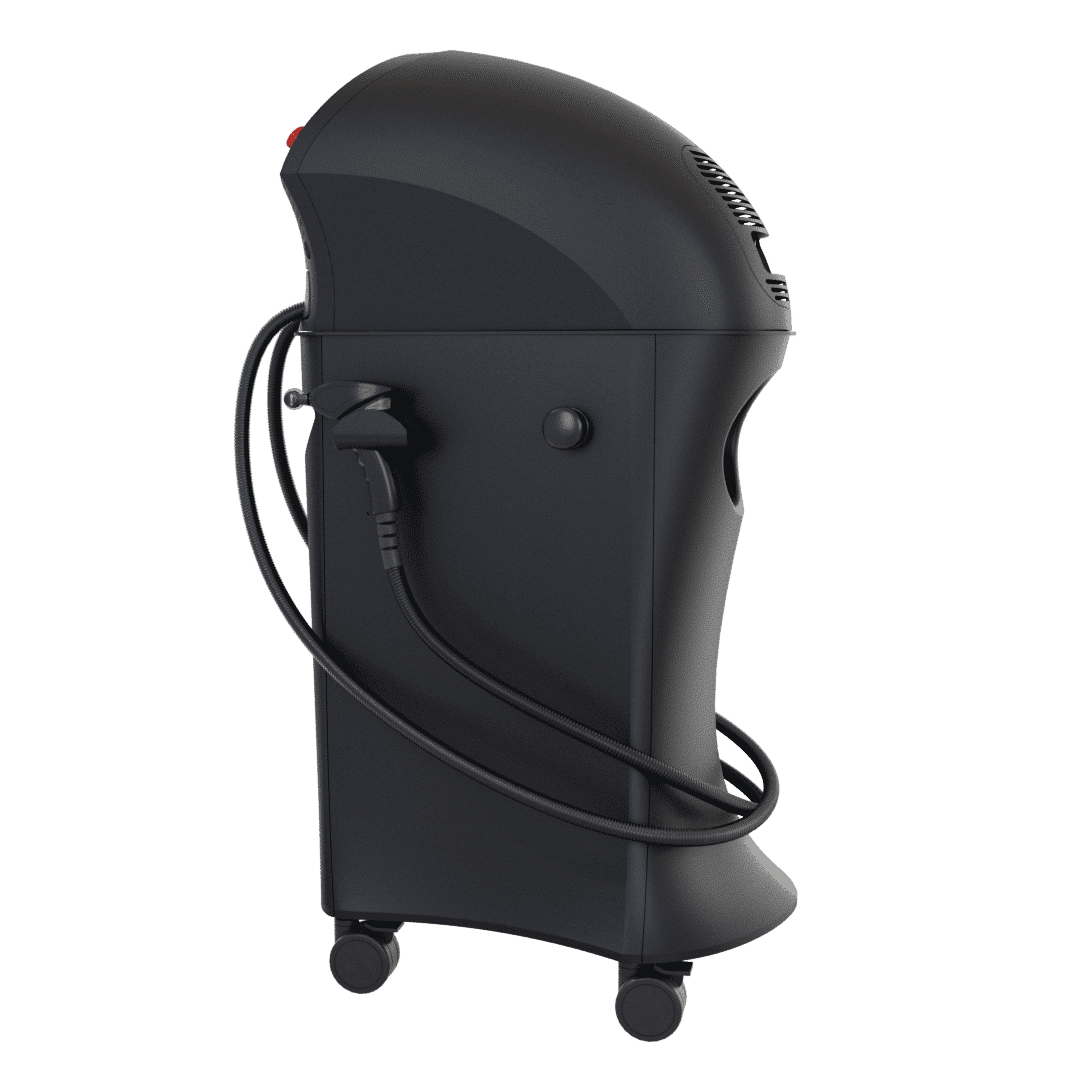
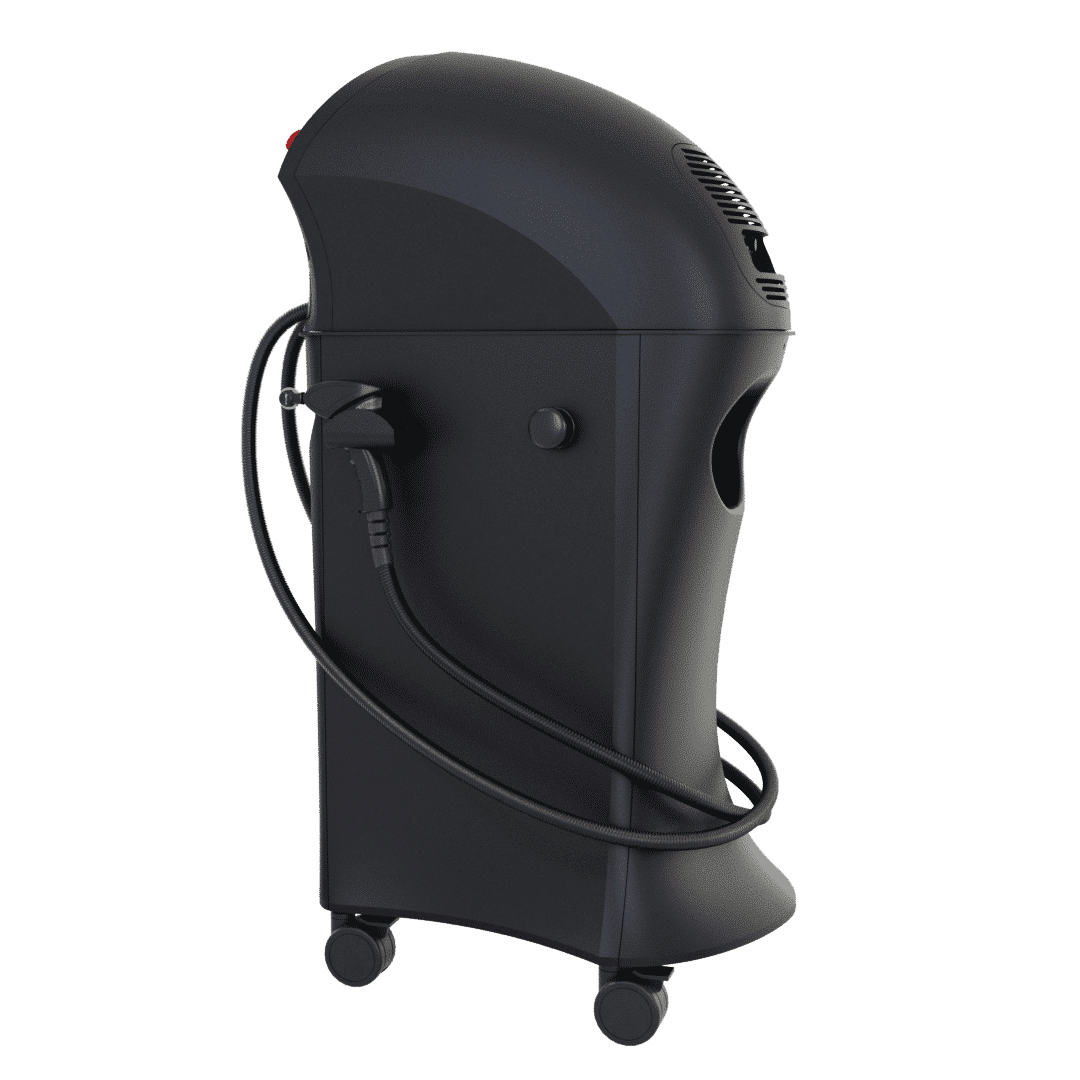
  • Alma Opus has two applicators: Opus Plasma, a fractional RF plasma roller tip for resurfacing, and UniFace, a 40.68 MHz unipolar RF applicator with a rotating massage ring for deep dermal heating on facial skin.
  • No. Opus delivers fractional RF through plasma: electrodes on a roller tip ionise air into micro-sparks that create micro-channels with surrounding dermal coagulation. RF microneedling delivers RF through needles inserted into the skin.
    The mechanisms differ, so the two should not be treated as equivalent.

  • Alma Hybrid is often used for surgical scars because it combines fractional CO2 and a 1570 nm non-ablative laser in a tailored fractional approach, so the practitioner can plan scar remodelling at depth and adjust the balance per session as the scar matures. Harmony XL Pro adds the vascular applicators (Dye-VL, long-pulsed 1064 nm) for red or purple scars and ClearLift for post-surgical scars on darker skin, where a fractional Q-switched 1064 nm laser was shown safe and effective (Akerman et al., Lasers in Medical Science, 2021). Alma Opus fractional plasma improved non-hypertrophic post-burn scars in a 95-patient prospective series (Wang, Lasers in Surgery and Medicine, 2017). Clinics generally start once the wound has closed, typically six to twelve weeks after surgery, and treat over a course; keloids need combined medical management. Patient-facing summary with a case image: laser for surgical scars; all papers on the clinical evidence page.

  • Describe outcomes as ranges over a course, not a single-session transformation. Laser hair removal reduces hair over several sessions because hair grows in cycles; skin treatments improve tone and texture gradually; body contouring shows change over weeks as the body responds. Photographs should be the clinic’s own, with the treatment and interval stated, and patients should be told that results vary and that suitability is assessed at consultation.
    This honest framing is also what Australian advertising rules for regulated health services expect. Alma Lasers Australia provides consultation guidance with its clinical training.

More Questions
Loading...